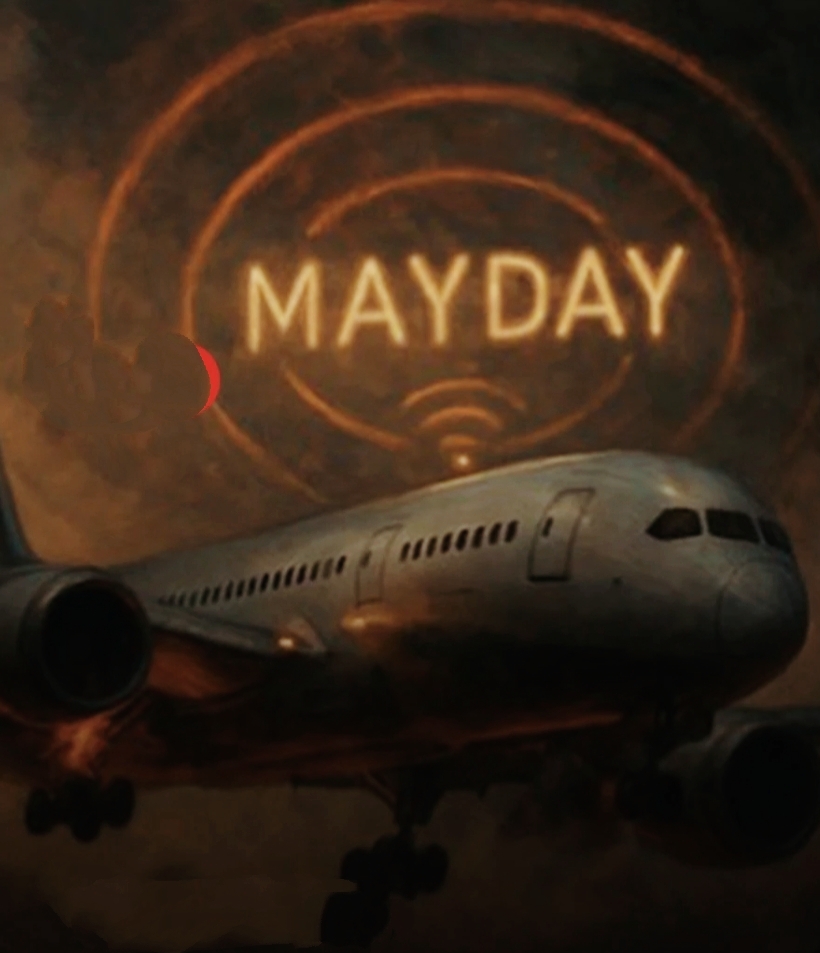
“Mayday, mayday”, was the last radio call made by the pilot of Air India flight 171 heading to London, just before it went down, resulting in the deaths of over 270 individuals.
Mayday is a globally recognized emergency term used to communicate a distress signal to air traffic control. Primarily, it’s utilized by pilots and ship captains to indicate an emergency when their vessel is close to disaster. It serves to notify rescue services.
History
The term ‘Mayday’ was created in the early 1920s by Frederick Stanley Mockford, who worked as a radio officer at Croydon Airport in London. He chose it as a phonetic adaptation of the French phrase m’aider, which means “help me”, making sure it was clear in communications across the Channel. By 1923, it was already a common term in international radio communication for both pilots and sailors, and in 1927, it was officially recognized along with the Morse code signal “SOS.”

By 1923, it was integrated into global radio communication for pilots and sailors, and in 1927, it was officially adopted along with the Morse “SOS”. The Mayday call is a universally acknowledged distress signal used by pilots, sailors, and other professionals during emergencies to ask for urgent help and assistance. It indicates a critical situation, like a major technical problem, an accident, or an immediate threat to the crew or passengers.
Upon receiving the MAYDAY call, the Air Traffic Control (ATC) and other aviation authorities are notified to prioritize the organization of rescue operations and to extend the required assistance to the aircraft in distress.
- Rising Temperatures, Rising Tempers? The Surprising Link Between Heat And Aggression

- India’s Lost Dragonfly Returns After 110 Years

- Snapchat Introduces Safer Story Sharing For Under-16 Users

- Google Launches Gemini 3.5 Live Translate

- The New Dating Trend Everyone’s Talking About: Puffer-Fishing

- Tea, Coffee, Juice: The Worst Empty Stomach Mistakes

- Instagram Introduces Profile Grid Customization

- Skywatchers Alert: Jupiter And Venus Set For A Rare Close Encounter Tonight

- Chrome Just Downloaded a 4GB AI Model? Here’s How to Delete It

- Why Does Real Love Feel Different Than We Expect?

- The 30-Minute Parenting Secret Every Child Needs

- Remote Robotics: Control Robotic Arms From Your Smartphone

- Mumbai’s Pod Taxis: Will BKC Benefit?

- Beyond The Missing Period: Understanding MRKH Syndrome

- Why Calling Every Stomach Problem ‘Gas’ Can Be Risky?

- Poke: Apple’s First AI Agent Debuts

- AC Drying Out Your Skin? Try This Simple Fix

- Want More Fireflies? Transform Your Garden Today

- Spotify Launches Podcast Clips For Instant Highlight Saving

- The Hidden Reason Summer Causes More Headaches

- Early Iron Deficiency Symptoms You Shouldn’t Ignore

- Meta Introduces Premium ‘Plus’ Tier For Instagram, Facebook And WhatsApp

- WhatsApp Launches Channel Status For 24-Hour Admin Updates

- 5 Powerful Signs You’re With The Right Person

- Social Media: The New Smoking For Children?

- Dewy, Glossy, Sweaty: The Viral Makeup Trend Everyone’s Trying

- Luna Launches Smart AI Band For Real-Time Daily Planning

- Meta Launches New ‘Forum’ App

- Why Is Your C-Section Scar Vertical?

- Red vs Orange Heat Alerts: Which One Puts Your Body At Greater Risk?

- Does AC Sleep Weaken Your Immunity? – Myth or Fact?

- The Rise Of Nonnamaxxing

- How To Clean Mushrooms Without Turning Them Soggy?

- How Hot Nights Quietly Harm Your Sleep And Heart?

- Indian Content Creators Can Win a Free Nepal Trip — Here’s How To Apply

- Gemini Omni Flash Brings Multimodal AI Video Creation To Google

- Essential Oil Diffusers: Healthy Trend or Hidden Hazard?

- Gmail Users Alert: Your Free 15 GB Storage Could Disappear

- YouTube Introduces Likeness Detection For 18+ Users

- AI vs Human Language: Is Learning Still Worth It?

- OpenAI Unveils ChatGPT Finance Tools With Direct Bank Integration


Leave a Reply