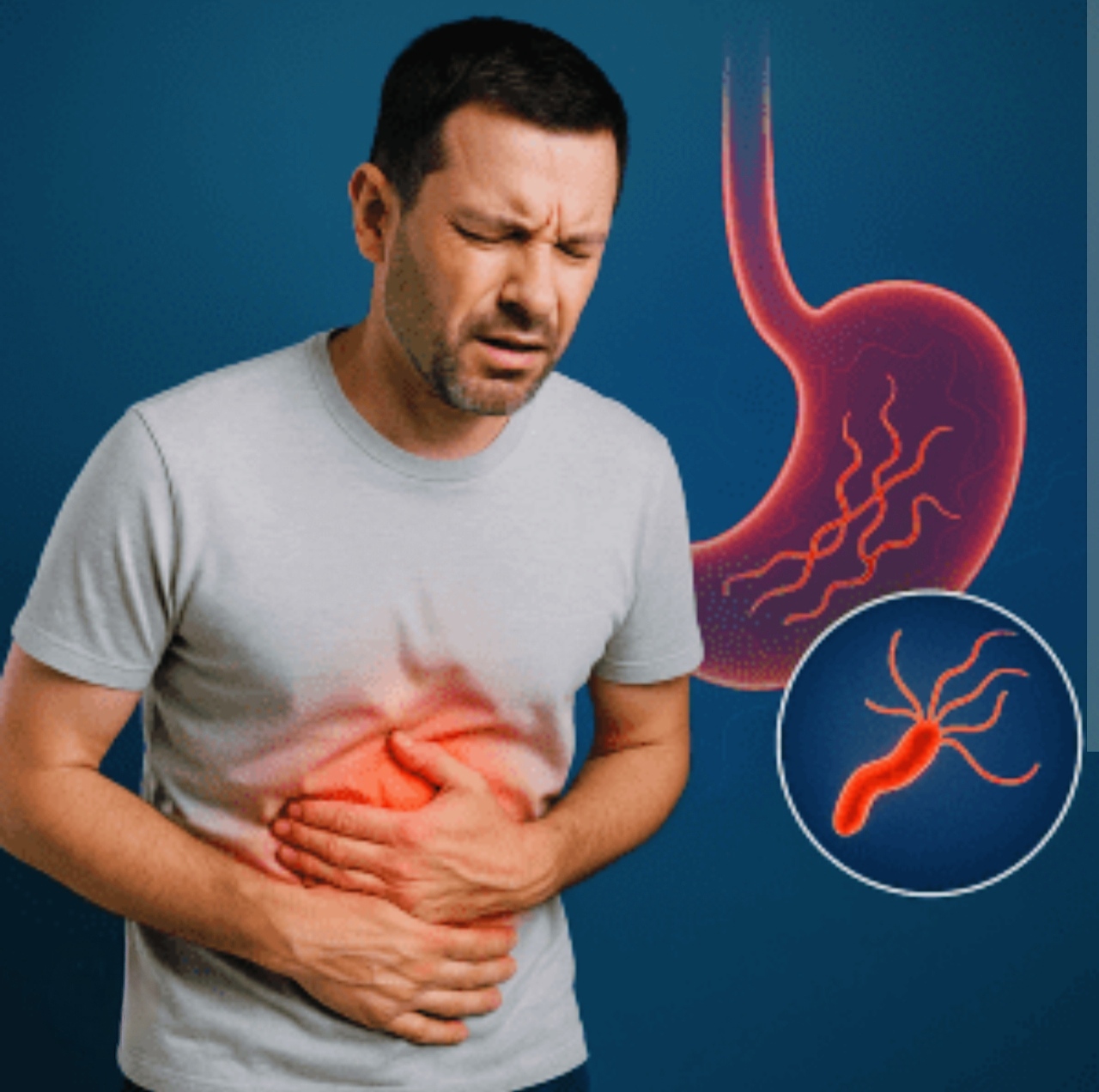
Could your “gas trouble” be more than just indigestion? If burning in the stomach, frequent burping, bloating, nausea, or upper abdominal discomfort keeps coming back, it may be time to look beyond quick-fix remedies and pay closer attention to what your body is trying to tell you.
Many people assume these symptoms are caused by simple gas and reach for over-the-counter medications for temporary relief. While occasional indigestion is common, persistent or recurring discomfort can sometimes point to underlying digestive conditions that require proper evaluation and treatment rather than symptom-based fixes.
Ignoring these warning signs may allow a more serious issue to go unnoticed. If symptoms continue, worsen, or interfere with daily life, consulting a healthcare professional can help identify the root cause early and prevent potential complications down the road.
The Hidden Cause Behind Persistent Digestive Issues
Every stomach issue gets blamed on gas these days. A burning sensation, constant burping, bloating, or feeling nauseous after meals is often brushed off as a simple digestive problem.
Frequent digestive discomfort isn’t always caused by gas. In some cases, it may be linked to H. pylori, a stomach-dwelling bacterium that can trigger persistent symptoms.
H. pylori spreads through contaminated food, water, saliva, and poor hygiene. Unlike regular gas, it can survive the stomach’s acidic environment, making it a persistent infection that often requires proper diagnosis and treatment.
Quick Relief, Wrong Solution
H. pylori infection can cause a range of digestive problems, including recurring acidity, bloating, burping, nausea, upper abdominal pain, gastritis, and even stomach ulcers. The symptoms often look like ordinary indigestion, making them easy to overlook.
Many people respond by reaching for quick fixes such as antacids or digestive remedies. While these may temporarily reduce burning or discomfort, they only mask the symptoms and do not address the underlying infection.
Diagnosing H. pylori requires proper medical testing, such as a breath test, stool test, or endoscopy. Treatment typically involves a prescribed course of antibiotics combined with acid-reducing medication for about two weeks to clear the infection effectively.
Don’t Ignore Recurring Symptoms
Occasional bloating or indigestion is common and is often triggered by overeating, certain foods, stress, or irregular meal timings. In most cases, these symptoms are temporary and improve on their own.
Simple lifestyle changes, such as eating balanced meals, managing stress, and maintaining a regular eating schedule, can often provide relief. Short-lived digestive discomfort is usually nothing to worry about.
However, if the symptoms keep returning, persist for weeks, or worsen despite dietary changes, they may signal an underlying digestive condition. One possible cause is H. pylori infection, which requires proper diagnosis and treatment rather than temporary symptom relief.
Frequent upper abdominal discomfort, burning sensations, excessive burping, nausea, or feeling full after just a few bites should not be dismissed as ordinary gas. These symptoms may signal that something more is going on beneath the surface.
Many people focus on how intense their symptoms feel, but the pattern can be just as important. Digestive issues that repeatedly come and go deserve closer attention.
Even if symptoms improve temporarily, their return may point to an underlying condition rather than a one-time digestive upset. Persistent or recurring discomfort is a sign worth investigating.
The Importance Of Follow-Up Testing
Feeling better after treatment doesn’t always mean the infection has been fully cleared. In many cases, symptoms may improve temporarily while the bacteria still remain in the stomach.
Symptom relief doesn’t always mean the problem is gone. H. pylori can stay hidden and continue affecting the stomach lining without obvious discomfort.
Confirmatory tests such as a urea breath test or stool antigen test are essential to verify that the infection is completely gone.
These follow-up checks help ensure successful treatment and reduce the risk of recurrence or future complications.
Simple Habits For Lasting Gut Wellness
Reducing the risk of reinfection starts with simple daily habits: wash your hands regularly, eat properly cooked food, drink safe water, and avoid sharing utensils where hygiene is uncertain.
These steps help minimize exposure to harmful germs that can trigger digestive problems.
Long-term digestive health depends on lifestyle choices. Avoid smoking and limit alcohol intake, as both can irritate the stomach and digestive tract over time.
Support your gut with a balanced, fiber-rich diet, effective stress management, and consistent healthy routines.
Maintaining these habits can improve digestive well-being and help prevent recurring gastrointestinal symptoms.
Not every stomach discomfort is caused by gas. Persistent symptoms such as pain, bloating, heartburn, or changes in bowel habits may point to an underlying digestive condition that deserves attention. Recognizing the difference can help ensure timely diagnosis and appropriate treatment.
Are you listening to your gut—or just dismissing the symptoms?
DISCLAIMER: This article is derived from information available in the public domain.It’s always a good idea to check your doctor before beginning any new routine.


Leave a Reply