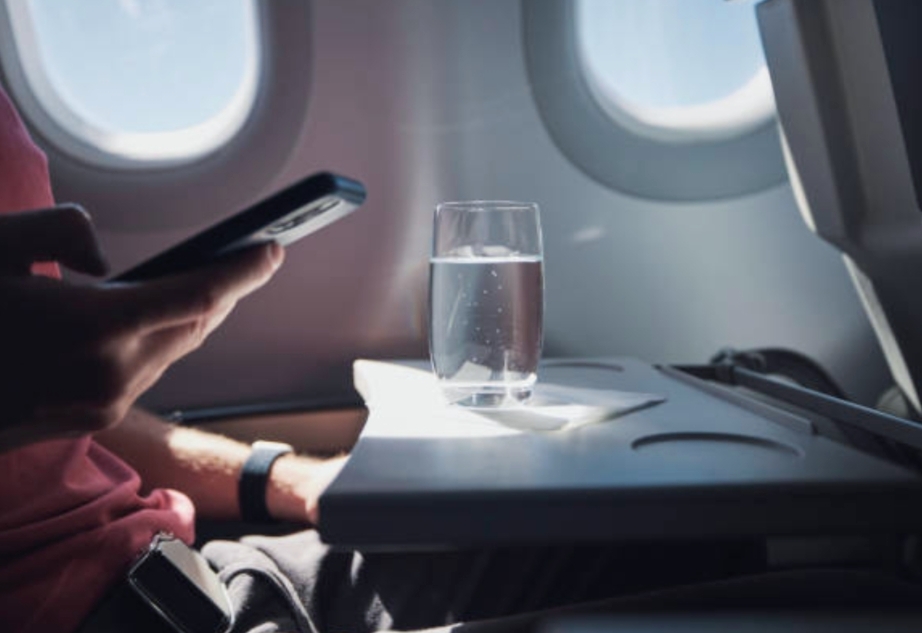
It’s crucial to stay hydrated during flights to prevent jet lag, headaches, lightheadedness, and exhaustion.
For this reason, the majority of passengers drink a glass or two of water while in flight.
Where does the water on planes actually come from?
The World Health Organization’s Guide to Hygiene and Sanitation in Aviation, published by India’s Ministry of Health and Family Welfare, states that regular cleaning and disinfection are crucial for both aircraft and airport operations.
It mentions, “The airline is fully responsible for managing the water on the aircraft; proper operation and maintenance of the water system are vital to ensure that all the potable water on board is safe. Regular cleaning of the aircraft’s water tanks is part of the maintenance routine”.
Even though they are technically safe, aircraft tanks are difficult to disinfect, and once biofilm builds up inside pipes, the water quality naturally drops.
Onboard water tanks are typically the source of the water used for hot beverages like tea or coffee.
Some tanks may not always be cleaned as frequently as they ought to be.
Although hygienic standards can vary between airlines and aircraft, this does not imply that the water is dangerous on every flight.
However, this doesn’t mean you’re in danger of getting seriously sick.
Making smarter choices can help you feel more comfortable while flying.
Frequent travelers should generally drink bottled water and wash up with tap water.
The system may still be dangerous even if it complies with legal requirements.
Airlines do offer bottled water for hygienic reasons.
You should only use tap water in the bathroom and for washing.
It’s always a good idea to bring your own water or drink bottled water.
- Rising Temperatures, Rising Tempers? The Surprising Link Between Heat And Aggression

- India’s Lost Dragonfly Returns After 110 Years

- Snapchat Introduces Safer Story Sharing For Under-16 Users

- Google Launches Gemini 3.5 Live Translate

- The New Dating Trend Everyone’s Talking About: Puffer-Fishing

- Tea, Coffee, Juice: The Worst Empty Stomach Mistakes

- Instagram Introduces Profile Grid Customization

- Skywatchers Alert: Jupiter And Venus Set For A Rare Close Encounter Tonight

- Chrome Just Downloaded a 4GB AI Model? Here’s How to Delete It

- Why Does Real Love Feel Different Than We Expect?

- The 30-Minute Parenting Secret Every Child Needs

- Remote Robotics: Control Robotic Arms From Your Smartphone

- Mumbai’s Pod Taxis: Will BKC Benefit?

- Beyond The Missing Period: Understanding MRKH Syndrome

- Why Calling Every Stomach Problem ‘Gas’ Can Be Risky?

- Poke: Apple’s First AI Agent Debuts

- AC Drying Out Your Skin? Try This Simple Fix

- Want More Fireflies? Transform Your Garden Today

- Spotify Launches Podcast Clips For Instant Highlight Saving

- The Hidden Reason Summer Causes More Headaches

- Early Iron Deficiency Symptoms You Shouldn’t Ignore

- Meta Introduces Premium ‘Plus’ Tier For Instagram, Facebook And WhatsApp

- WhatsApp Launches Channel Status For 24-Hour Admin Updates

- 5 Powerful Signs You’re With The Right Person

- Social Media: The New Smoking For Children?

- Dewy, Glossy, Sweaty: The Viral Makeup Trend Everyone’s Trying

- Luna Launches Smart AI Band For Real-Time Daily Planning

- Meta Launches New ‘Forum’ App

- Why Is Your C-Section Scar Vertical?

- Red vs Orange Heat Alerts: Which One Puts Your Body At Greater Risk?

- Does AC Sleep Weaken Your Immunity? – Myth or Fact?

- The Rise Of Nonnamaxxing

- How To Clean Mushrooms Without Turning Them Soggy?

- How Hot Nights Quietly Harm Your Sleep And Heart?

- Indian Content Creators Can Win a Free Nepal Trip — Here’s How To Apply

- Gemini Omni Flash Brings Multimodal AI Video Creation To Google

- Essential Oil Diffusers: Healthy Trend or Hidden Hazard?

- Gmail Users Alert: Your Free 15 GB Storage Could Disappear

- YouTube Introduces Likeness Detection For 18+ Users

- AI vs Human Language: Is Learning Still Worth It?

- OpenAI Unveils ChatGPT Finance Tools With Direct Bank Integration

- The Ageing Risk Of Sleeping Too Much Or Too Little

- Fitness or Future Pain? The Truth About Joint-Damaging Workouts

- Salt Water Trend: What You Need To Know First?

- X Launches History Tab For Likes, Bookmarks And Videos

- Stay Chill: Smart Gadgets For Summer

- Instagram Launches Instant For Disappearing Photos

- ChatGPT App Now Supports Codex Coding Tool

- Best Smart Devices For Senior Citizens

- Why Did Humans Use To Eat Soil, And Why Do Some Still Do?

- How Your Body Responds To Sleep Deprivation


Leave a Reply