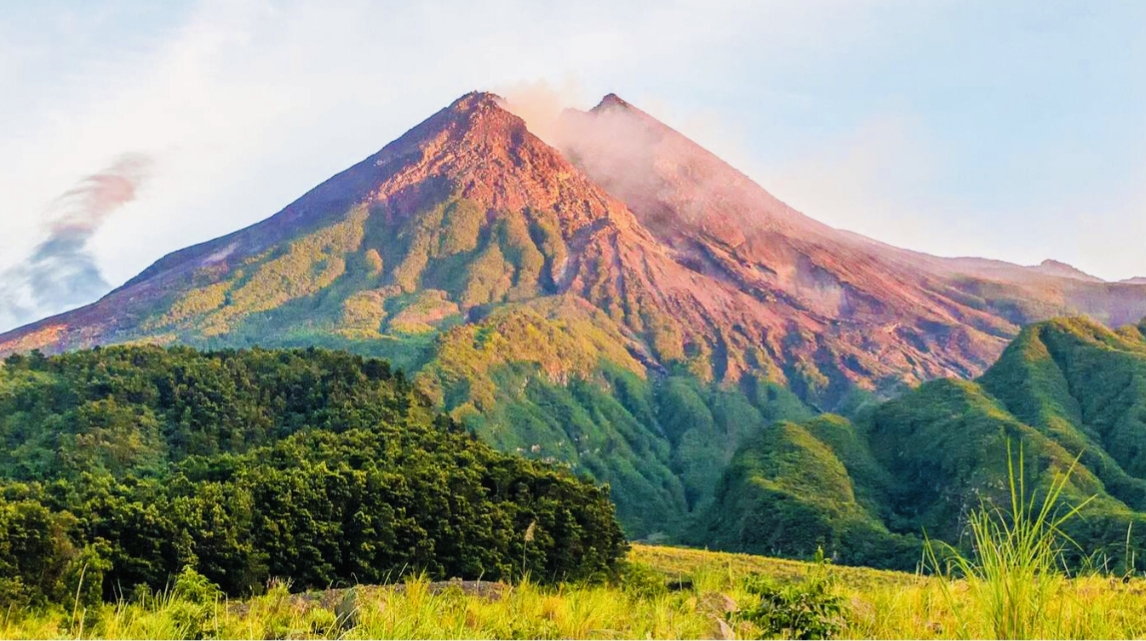
Living close to an active volcano might sound risky, but for millions around the globe, it’s just a normal part of life.
The rich soil, tourism opportunities, cultural ties, and limited land often make the dangers worthwhile.
Even with the sporadic eruption, many volcanic regions still support thriving communities thanks to contemporary monitoring and early warning systems.
Kilauea
Kilauea is one of the most active volcanoes on the planet. Several neighborhoods on Hawaii’s Big Island are situated within volcanic zones.

Locals are aware that homes can be destroyed by lava flows, as major eruptions in recent years have shown, but the reasonably priced land and close ties to the community keep them rooted there.
Advanced geological monitoring provides timely warnings.
Mount Etna
Mount Etna, Europe’s most active volcano, looms over eastern Sicily and has been erupting consistently for thousands of years.
Towns and villages are scattered along its slopes, and neighboring cities like Catania thrive in spite of the continuous volcanic activity.

Etna ash enriches the soil, benefiting vineyards, orchards, and olive groves.
For many locals, the volcano is both a danger and a source of prosperity.
Mount Merapi
Mount Merapi, found in Central Java, is among the most active volcanoes in Indonesia.
It erupts often, sometimes every few years, but villages still thrive on its slopes.
Locals think the volcano has spiritual importance, and many farmers depend on the nutrient-rich volcanic ash that revitalizes their fields.
Sakurajima
Sakurajima is one of Japan’s most active volcanoes, located just across the bay from Kagoshima city.
The volcano erupts frequently, sometimes several times a day, sending ash clouds into the atmosphere.

In spite of this, thousands of people reside nearby and adapt their daily routines to the falling ash.
Living close to Sakurajima is easier thanks to Japan’s robust disaster preparedness systems, which include shelters and real-time alerts.
- India’s Lost Dragonfly Returns After 110 Years

- Snapchat Introduces Safer Story Sharing For Under-16 Users

- Google Launches Gemini 3.5 Live Translate

- The New Dating Trend Everyone’s Talking About: Puffer-Fishing

- Tea, Coffee, Juice: The Worst Empty Stomach Mistakes

- Instagram Introduces Profile Grid Customization

- Skywatchers Alert: Jupiter And Venus Set For A Rare Close Encounter Tonight

- Chrome Just Downloaded a 4GB AI Model? Here’s How to Delete It

- Why Does Real Love Feel Different Than We Expect?

- The 30-Minute Parenting Secret Every Child Needs

- Remote Robotics: Control Robotic Arms From Your Smartphone


Leave a Reply