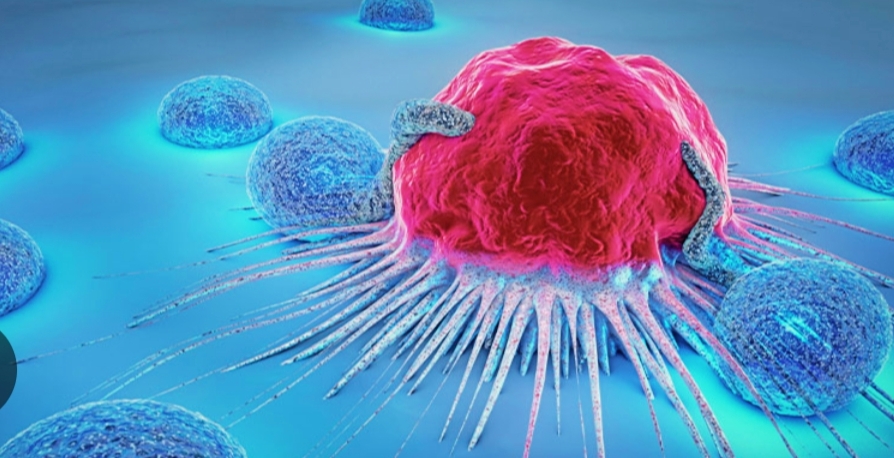
The most common cancers in India, along with some early warning signs.
The most common cancer in India is breast cancer. Typically, the first symptom is a lump.
Mouth Cancer
The second most common cancer in India is mouth cancer.
Usually, the first indication of mouth cancer is any sore. If it hasn’t healed in 15 days and there’s no scar, then it could be a sign of mouth cancer.
The second sign of cancer is any unusual bleeding. In old films, they used to depict blood in the cough or on a handkerchief – that’s actually a cancer warning sign.
The third sign of cancer relates to lung or throat cancer.
The most common cancer in women is cervical cancer, which can show up through abnormal bleeding.
Everyone is frightened because most people have experienced mouth bleeding at some point or have had irregular periods.
Most of the time, it won’t be cancer. But if it is, we can spot it through any of these signs.
Persistent mouth ulcers are often ignored because they look like common canker sores or injuries from biting the inside of the cheek.
However, a cancerous ulcer usually lasts longer than two weeks, shows no signs of healing, and may gradually grow larger.
A simple sore, it can be painless in the early stages, firm to the touch, and sometimes has white or red patches around it.
If the sore bleeds easily, feels hard, or comes with trouble swallowing, a change in your voice, or unexpected weight loss, you should get it checked out quickly by an oral surgeon or oncologist.
Types of bleeding patterns or bodily changes that people need to pay close attention to
1)Unusual bleeding is one of the body’s first warning signs. For women, bleeding after menopause or between periods could indicate cervical or endometrial cancer and shouldn’t be overlooked.
2)Coughing up blood, even in small amounts, might suggest lung or throat cancer and needs immediate medical attention.
3)Blood in urine or stool, especially if it happens repeatedly, could be associated with urinary tract, bladder, or colon cancers.
4)Any bleeding that seems out of the ordinary for your age, isn’t linked to known causes, or persists over time should be checked out.
The goal is to be aware without panicking.
Many early cancer symptoms, like fatigue, small lumps, or mild digestive problems, can have benign explanations, but if they last more than a few weeks or worsen, it’s wise to seek medical advice.
Regular screenings based on age and risk factors are crucial for catching diseases early before they progress.
Instead of waiting for pain or major symptoms to appear, it is far more effective to pay attention to your body and react to small, continuous changes.
DISCLAIMER: This article is derived from information available in the public domain.It’s always a good idea to check your doctor before beginning any new routine.
- Rising Temperatures, Rising Tempers? The Surprising Link Between Heat And Aggression

- India’s Lost Dragonfly Returns After 110 Years

- Snapchat Introduces Safer Story Sharing For Under-16 Users

- Google Launches Gemini 3.5 Live Translate

- The New Dating Trend Everyone’s Talking About: Puffer-Fishing

- Tea, Coffee, Juice: The Worst Empty Stomach Mistakes

- Instagram Introduces Profile Grid Customization

- Skywatchers Alert: Jupiter And Venus Set For A Rare Close Encounter Tonight

- Chrome Just Downloaded a 4GB AI Model? Here’s How to Delete It

- Why Does Real Love Feel Different Than We Expect?

- The 30-Minute Parenting Secret Every Child Needs

- Remote Robotics: Control Robotic Arms From Your Smartphone

- Mumbai’s Pod Taxis: Will BKC Benefit?

- Beyond The Missing Period: Understanding MRKH Syndrome

- Why Calling Every Stomach Problem ‘Gas’ Can Be Risky?

- Poke: Apple’s First AI Agent Debuts

- AC Drying Out Your Skin? Try This Simple Fix

- Want More Fireflies? Transform Your Garden Today

- Spotify Launches Podcast Clips For Instant Highlight Saving

- The Hidden Reason Summer Causes More Headaches

- Early Iron Deficiency Symptoms You Shouldn’t Ignore

- Meta Introduces Premium ‘Plus’ Tier For Instagram, Facebook And WhatsApp

- WhatsApp Launches Channel Status For 24-Hour Admin Updates

- 5 Powerful Signs You’re With The Right Person

- Social Media: The New Smoking For Children?

- Dewy, Glossy, Sweaty: The Viral Makeup Trend Everyone’s Trying

- Luna Launches Smart AI Band For Real-Time Daily Planning

- Meta Launches New ‘Forum’ App

- Why Is Your C-Section Scar Vertical?

- Red vs Orange Heat Alerts: Which One Puts Your Body At Greater Risk?

- Does AC Sleep Weaken Your Immunity? – Myth or Fact?

- The Rise Of Nonnamaxxing

- How To Clean Mushrooms Without Turning Them Soggy?

- How Hot Nights Quietly Harm Your Sleep And Heart?

- Indian Content Creators Can Win a Free Nepal Trip — Here’s How To Apply

- Gemini Omni Flash Brings Multimodal AI Video Creation To Google

- Essential Oil Diffusers: Healthy Trend or Hidden Hazard?

- Gmail Users Alert: Your Free 15 GB Storage Could Disappear

- YouTube Introduces Likeness Detection For 18+ Users

- AI vs Human Language: Is Learning Still Worth It?

- OpenAI Unveils ChatGPT Finance Tools With Direct Bank Integration

- The Ageing Risk Of Sleeping Too Much Or Too Little

- Fitness or Future Pain? The Truth About Joint-Damaging Workouts

- Salt Water Trend: What You Need To Know First?

- X Launches History Tab For Likes, Bookmarks And Videos

- Stay Chill: Smart Gadgets For Summer

- Instagram Launches Instant For Disappearing Photos

- ChatGPT App Now Supports Codex Coding Tool

- Best Smart Devices For Senior Citizens

- Why Did Humans Use To Eat Soil, And Why Do Some Still Do?

- How Your Body Responds To Sleep Deprivation


Leave a Reply