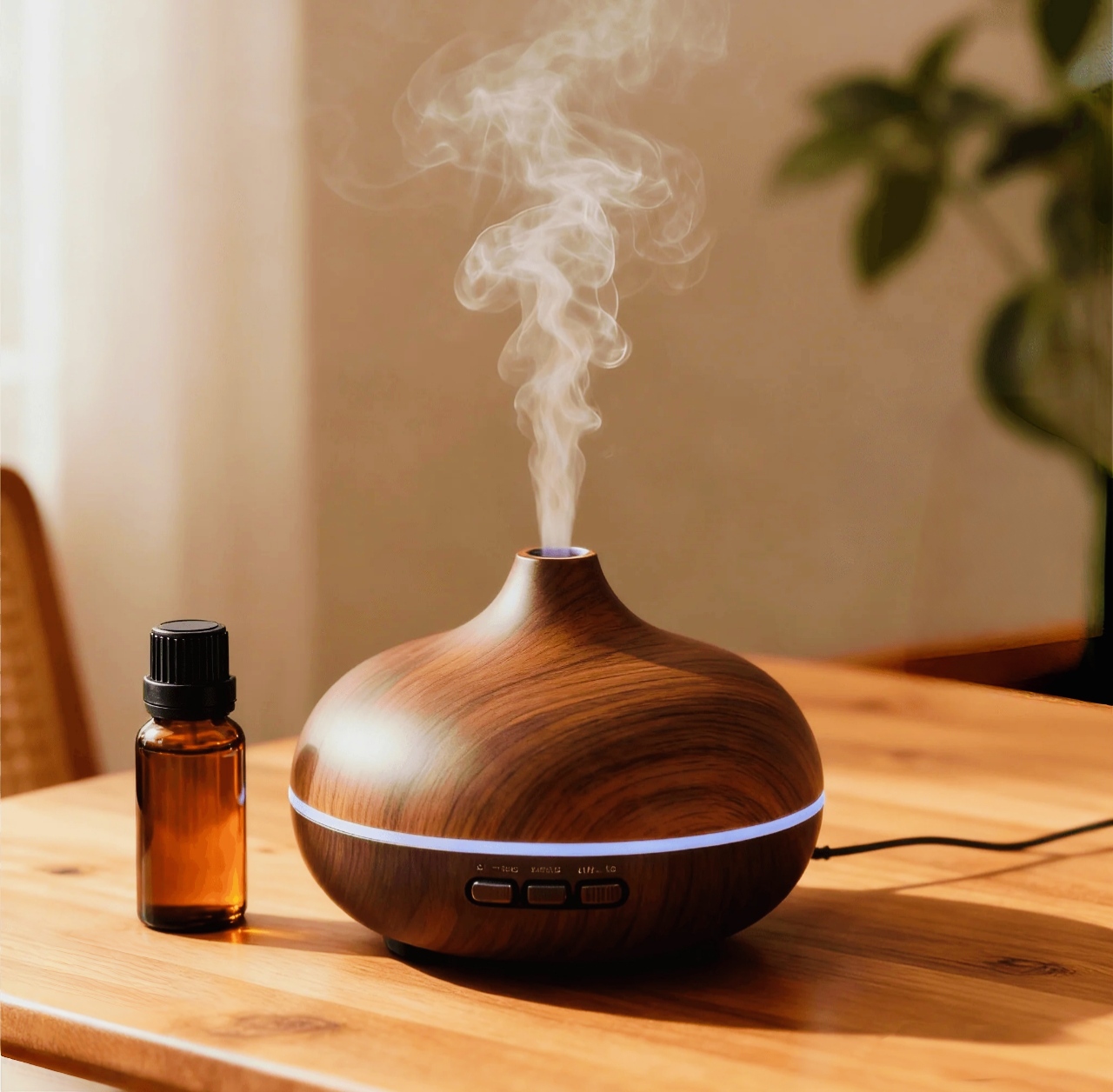
Could your calming daily diffuser habit actually be polluting the air inside your home?
The internet is flooded with stress-relief hacks, and one tip shows up everywhere: switch on an essential oil diffuser and instantly create a calming vibe.
But while essential oil diffusers may smell relaxing, using them every single day could come with hidden downsides. Indoor air pollution, headaches, allergies, and breathing irritation — too much diffusing isn’t always harmless, especially in closed spaces.
Here’s why your wellness ritual might need a rethink.You should steer clear of using essential oil diffusers in areas that don’t have good airflow and are kept closed all day,” he tells indianexpress.com.
Closed Spaces, Bigger Risks
Avoid using essential oil diffusers in rooms with little to no ventilation. These devices release tiny oil particles and volatile organic compounds (VOCs) into the air through aerosolization.
While the fragrance may feel calming, constant diffusing in closed spaces can cause these compounds to build up over time. Poor airflow only makes the concentration stronger.
As a result, your cozy wellness ritual could end up affecting indoor air quality more than you realize.
Ventilation Makes The Difference
The continuous release of volatile organic compounds (VOCs) through aerosolization can build up indoors over time. This accumulation may pose potential risks to respiratory health, especially in poorly ventilated spaces.
Proper cross-ventilation helps disperse these compounds and prevents them from concentrating in the air you breathe.
Keeping exposure time short and ensuring fresh airflow are key steps to reducing inhalation effects and maintaining better indoor air quality.
When Natural Turns Irritating?
Daily exposure to essential oil vapors can do more than affect indoor air quality — it can also directly irritate the body. Repeated inhalation may impact sensitive tissues in the respiratory system.
This can lead to symptoms like coughing, wheezing, throat irritation, or allergic reactions in some individuals, especially those who are more sensitive to airborne compounds.
Certain essential oils may also trigger skin irritation, potentially causing contact dermatitis or worsening conditions like rhinitis.
If you notice throat discomfort, persistent coughing, or skin issues after using a diffuser, it may be more than a coincidence.
Who Should Be Most Cautious?
Certain groups are more vulnerable to the effects of essential oil exposure than others.
Children, older adults, people with asthma, and those with chronic respiratory conditions face a higher risk of irritation from airborne compounds.
Developing airways in children and age-related respiratory changes in the elderly can make them more sensitive to such triggers.
Even mild aromatic substances may lead to bronchospasms, breathlessness, or allergic reactions in sensitive individuals.
For these groups, what seems like a harmless habit can sometimes become a real respiratory concern.
Smarter Diffusing, Safer Breathing
These risks don’t mean you need to give up essential oil diffusers completely.
The key lies in moderation—how often you use them and for how long each session lasts.
Limiting diffusion to 20–30 minutes at a time, once or twice a day, is recommended rather than continuous use.
It’s also important to maintain proper dilution, avoid overly strong concentrations, and stop immediately if any respiratory discomfort occurs.
Those with existing lung conditions should consult a medical professional before adding diffusers into their daily routine.
While the calming scent is appealing, moderation and proper ventilation are key to keeping indoor air safe and the experience truly balanced.Essential oil diffusers can create a calming atmosphere, but they are not risk-free when used excessively or in poorly ventilated spaces.
Essential oil diffusers can create a calming atmosphere, but they are not risk-free when used excessively or in poorly ventilated spaces.With mindful usage, proper airflow, and short sessions, they can remain a safe part of your routine. The real balance lies in enjoying the benefits without ignoring the potential hidden effects on your indoor air and respiratory health.
Mindful usage, proper airflow, and short sessions can help keep them a safe part of your routine. The real balance lies in enjoying the benefits without ignoring the potential hidden effects on your indoor air and respiratory health.
What do you think? Is your diffuser truly helping your wellness, or is it quietly adding hidden risks to your home?
DISCLAIMER: It’s always a good idea to check your doctor before beginning any new routine.


Leave a Reply