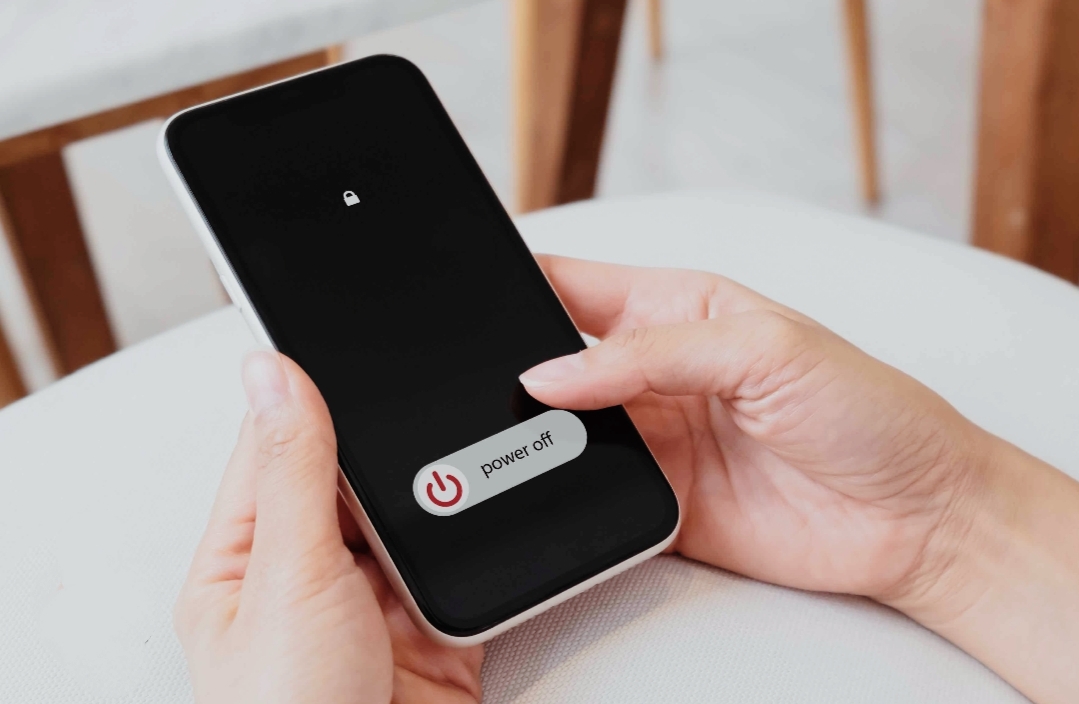
Disconnecting is becoming a luxury as the dangers of excessive digital use become more apparent.
Is it going to be expensive for only a few people to disconnect from the internet?
The average screen time is increasing, reaching over five hours per day, which is concerning researchers, civil society, and more recently, policymakers.
Beyond the general discomfort that comes from feeling like we’re living through a screen, a real awareness has started to take shape.
Larger platforms these days strive to keep users addicted for as long as possible,sometimes at the cost of their well-being.
The negative impacts of too much screen time are now widely recognized and documented – heightened anxiety, worsened sleep issues, and diminished focus.
Excessive screen time is linked to a rise in youth suicides.
The digital minimalism market faced with these issues, a new disconnection economy has popped up.
Influencer videos about their “digital detox” frequently receive over a million views on YouTube.
Phone-free wellness-focused “digital detox” retreats are becoming more popular in the travel industry, though they can be expensive.
These are marketed to a particular crowd of executives, creatives, and freelancers – individuals who have the time, cultural knowledge, and means to “disconnect.”
The visuals used highlight focus, productivity, and a sense of intellectual or spiritual satisfaction.
However, without taking a collective look at how digital technology functions in our society, this approach stays personal-protecting oneself.
The “right to disconnect” frequently becomes a luxury for those who can afford it. Avoiding screens has become almost impossible for most people.
Two-factor authentication for banking, administrative tasks, and online education platforms make smartphones essential.
Current solutions depend on individual accountability and, ultimately, on each person’s financial and cultural assets.
Changing disconnection from a luxury to a shared right – at the intersection of democracy, education, and public health. This is a crucial issue to make sure that private organizations aren’t the only ones responsible for regaining our focus and independence.
- Rising Temperatures, Rising Tempers? The Surprising Link Between Heat And Aggression

- India’s Lost Dragonfly Returns After 110 Years

- Snapchat Introduces Safer Story Sharing For Under-16 Users

- Google Launches Gemini 3.5 Live Translate

- The New Dating Trend Everyone’s Talking About: Puffer-Fishing

- Tea, Coffee, Juice: The Worst Empty Stomach Mistakes

- Instagram Introduces Profile Grid Customization

- Skywatchers Alert: Jupiter And Venus Set For A Rare Close Encounter Tonight

- Chrome Just Downloaded a 4GB AI Model? Here’s How to Delete It

- Why Does Real Love Feel Different Than We Expect?

- The 30-Minute Parenting Secret Every Child Needs

- Remote Robotics: Control Robotic Arms From Your Smartphone

- Mumbai’s Pod Taxis: Will BKC Benefit?

- Beyond The Missing Period: Understanding MRKH Syndrome

- Why Calling Every Stomach Problem ‘Gas’ Can Be Risky?

- Poke: Apple’s First AI Agent Debuts

- AC Drying Out Your Skin? Try This Simple Fix

- Want More Fireflies? Transform Your Garden Today

- Spotify Launches Podcast Clips For Instant Highlight Saving

- The Hidden Reason Summer Causes More Headaches

- Early Iron Deficiency Symptoms You Shouldn’t Ignore

- Meta Introduces Premium ‘Plus’ Tier For Instagram, Facebook And WhatsApp

- WhatsApp Launches Channel Status For 24-Hour Admin Updates

- 5 Powerful Signs You’re With The Right Person

- Social Media: The New Smoking For Children?

- Dewy, Glossy, Sweaty: The Viral Makeup Trend Everyone’s Trying

- Luna Launches Smart AI Band For Real-Time Daily Planning

- Meta Launches New ‘Forum’ App

- Why Is Your C-Section Scar Vertical?

- Red vs Orange Heat Alerts: Which One Puts Your Body At Greater Risk?

- Does AC Sleep Weaken Your Immunity? – Myth or Fact?

- The Rise Of Nonnamaxxing

- How To Clean Mushrooms Without Turning Them Soggy?

- How Hot Nights Quietly Harm Your Sleep And Heart?

- Indian Content Creators Can Win a Free Nepal Trip — Here’s How To Apply

- Gemini Omni Flash Brings Multimodal AI Video Creation To Google

- Essential Oil Diffusers: Healthy Trend or Hidden Hazard?

- Gmail Users Alert: Your Free 15 GB Storage Could Disappear

- YouTube Introduces Likeness Detection For 18+ Users

- AI vs Human Language: Is Learning Still Worth It?

- OpenAI Unveils ChatGPT Finance Tools With Direct Bank Integration

- The Ageing Risk Of Sleeping Too Much Or Too Little

- Fitness or Future Pain? The Truth About Joint-Damaging Workouts

- Salt Water Trend: What You Need To Know First?

- X Launches History Tab For Likes, Bookmarks And Videos

- Stay Chill: Smart Gadgets For Summer

- Instagram Launches Instant For Disappearing Photos

- ChatGPT App Now Supports Codex Coding Tool

- Best Smart Devices For Senior Citizens

- Why Did Humans Use To Eat Soil, And Why Do Some Still Do?

- How Your Body Responds To Sleep Deprivation


Leave a Reply