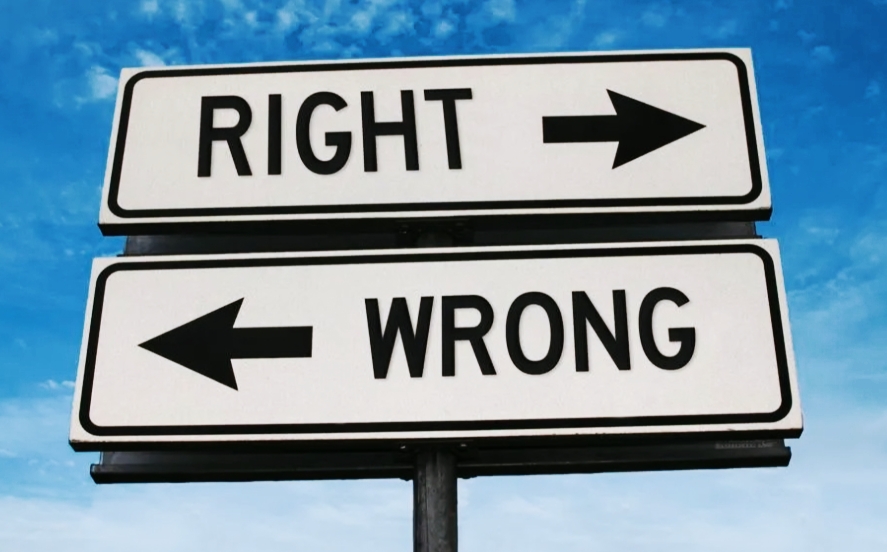
In a society that idolizes success, saying something as simple as “Sorry! I was wrong” can feel really odd.
However, this very action is what helps save relationships, mend conversations, and calm tempers, preventing our communities from becoming isolated.
Ironically, it’s quite simple to make mistakes frequently. We misread, misjudge, miscalculate, and hold onto our thoughts for longer than is healthy.
We stubbornly defend our beliefs long after the evidence has faded away. But with our big egos, we keep insisting that the world is at fault, not us.
Being human, curious, or alive means we will stumble from time to time.
Making mistakes isn’t a sign of failure, it’s actually a precursor to learning.
However, saying “I am wrong” can be one of the toughest things to say, no matter the language.
It shows vulnerability, or it reveals the difference between who we think we are and who we really are.
Many of us would rather stick to our mistakes than face the embarrassment of admitting we were wrong.
Friendships have been hurt, family gatherings have turned sour, and even national discussions become polarized simply because people find it easier to argue than to accept their faults.
The ability to admit when we’re “wrong” is super valuable because it takes humility, which helps us open up doors that pride usually keeps shut.
Once we recognize our mistakes, we start to feel lighter, no longer needing to defend the indefensible.
The disagreement ends, tensions subside, and the other person becomes more open, opening the door for a more sincere discussion that resolves conflict in a way that nothing else can.
It serves as a gift to ourselves, reminding us that acknowledging our imperfections is a form of freedom rather than a weakness.
Letting Go, Moving Forward
It makes us more forgiving of others mistakes.
Once we realize that everyone messes up, we stop taking others errors as personal attacks.
We correct with kindness, listen more openly, and build stronger connections.
Acknowledging our wrongs isn’t just about being morally right or intellectually disciplined.
It’s a practical skill for life that enhances our conversations, reduces tension, and builds trust, enriching our thought processes.
- Google AI Mode Unveils Search Agents That Track The Web In Real Time

- Why Tamil Nadu’s Kirti Chakra Hero Became a National Inspiration?

- Tejas Shirse Sets New 110m Hurdles National Record

- The Beauty Of Change: Eighteen Lessons From Life

- 3 Days To A Morning Person: Fact or Fantasy?

- New Zealand Legend Kane Williamson Announces Retirement

- FIFA World Cup 2026: How Fans Can Watch Matches For Free

- YouTube Relaunches Private Chats With Age Verification

- The Future Of Air Travel: Why The 100ml Liquid Limit May Soon Disappear

- Rising Temperatures, Rising Tempers? The Surprising Link Between Heat And Aggression

- India’s Lost Dragonfly Returns After 110 Years


Leave a Reply