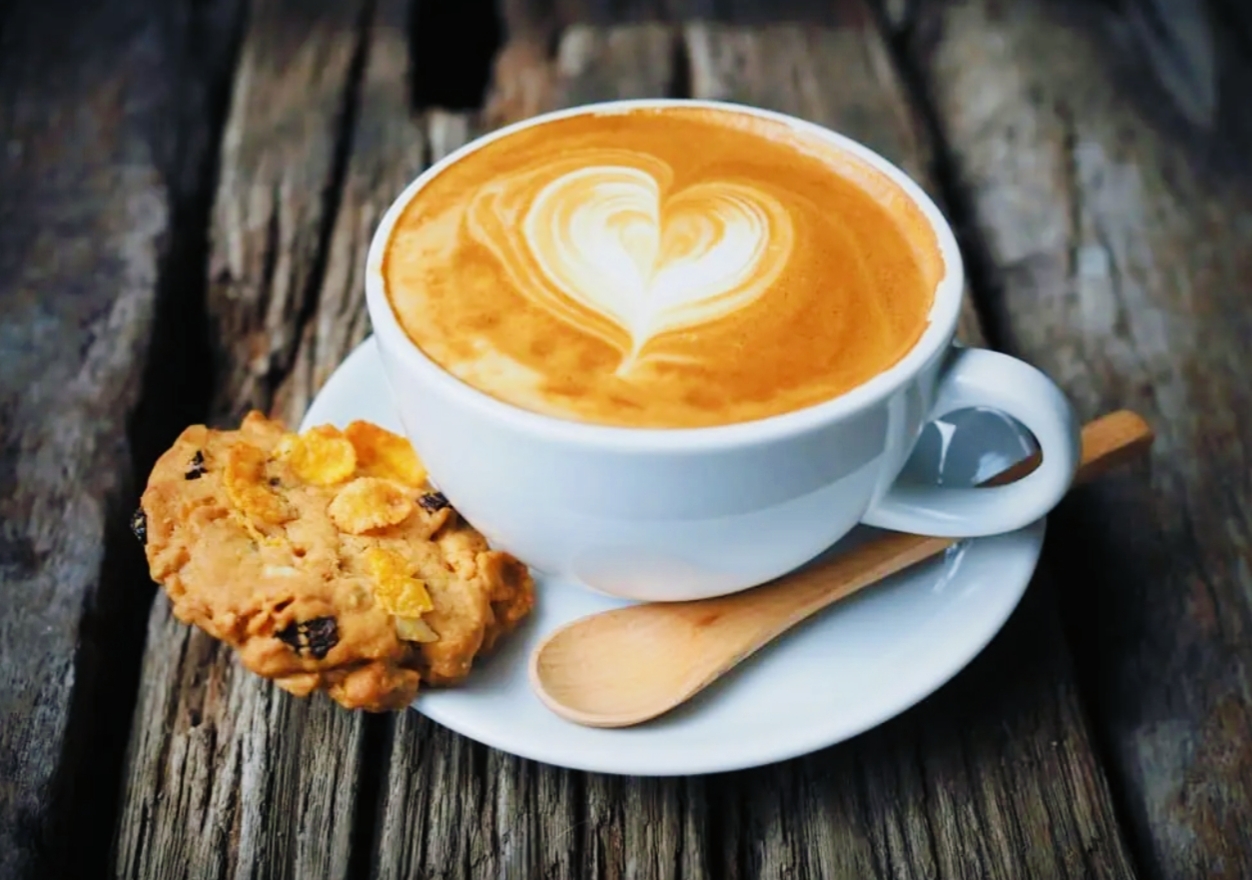
What if the timing of your cappuccino could boost your energy and improve how you feel after a meal?
For many people, ending a meal with a warm, frothy cappuccino feels like the perfect ritual.
In Italy, cappuccino isn’t just coffee—it’s a morning ritual, often paired with a pastry at breakfast.
Across many cultures, it’s rarely consumed after heavy meals, with espresso being the preferred choice for lunch or dinner.
It’s a comforting ritual, but timing matters more than most people realize.
Drinking cappuccino right after eating can interfere with digestion and nutrient absorption.
Compounds in coffee may reduce your body’s ability to absorb essential minerals like iron, especially when consumed immediately after a meal.
Rethinking this habit could make a small but meaningful difference to your overall health. Giving your body a little time before reaching for that cup might be the smarter choice.
Cappuccino After Meals: A Risk
A cappuccino combines caffeine and milk, both of which can influence how your body handles food after a meal.
While it feels satisfying, its effects go beyond just taste and comfort.
Caffeine boosts the production of gastric acid. Although acid is essential for digestion, consuming too much right after eating can upset the balance your stomach needs.
This may lead to discomfort like acidity, bloating, or even acid reflux. Rather than supporting digestion, it can irritate the stomach—especially in sensitive individuals.
Post-Meal Cappuccino Effects
Milk-based drinks like cappuccino can slow down digestion. After a heavy meal, they may leave you feeling overly full or sluggish.
Instead of feeling refreshed, your body may struggle to process the food efficiently. This can make post-meal comfort turn into mild discomfort.
Coffee also affects how your body absorbs nutrients. Compounds like tannins and polyphenols can interfere with this process. This is especially important when it comes to iron absorption.
Drinking cappuccino right after eating may reduce how much iron your body takes in.
If your meal includes iron-rich foods like greens, lentils, or meat, this habit can limit their benefits.
Over time, it may contribute to lower iron levels.
Milk in cappuccino can further impact mineral absorption. This reduces the overall nutritional value your meal provides.
Digestive Discomfort & Bloating
Combining a full meal with a milk-based coffee like cappuccino can cause bloating or heaviness. This is more common in people sensitive to lactose.
After eating, your digestive system is already working at full capacity. Adding cappuccino can increase the burden on digestion.
This extra load may lead to gas, bloating, or general discomfort. Instead of satisfaction, you may feel uneasy.
Blood Sugar & Energy Swings
Cappuccinos from cafes often contain added sugar or flavored syrups. These can quickly raise blood sugar levels after a meal.
Such spikes are usually followed by sudden crashes. This can leave you feeling tired or low on energy.
Even without added sugar, milk and caffeine together can impact energy levels.
You may feel alert at first, then restless or fatigued later.
Over time, this cycle of highs and crashes can affect productivity and overall well-being—especially if it becomes a daily habit.
Cappuccino vs Sleep
If you enjoy a cappuccino after dinner, it may disrupt your sleep. Caffeine stays in your system for hours and can make it harder to fall asleep or reduce sleep quality.
Even if you don’t notice it, coffee can subtly affect your natural sleep cycle. Over time, this may lead to less restful nights.
Timing Is Everything
You don’t have to give up cappuccino entirely; just wait 1 to 2 hours after eating before enjoying a cup.
This delay gives your body time to digest food and absorb nutrients without interference.
Alternatively, you can enjoy cappuccino between meals or in the morning, when digestion isn’t already under strain, making it easier on your body.
Healthier Post-Meal Alternatives
- Herbal teas – Peppermint or ginger can aid digestion.
- Warm water – Supports the digestive process naturally.
- Light green tea – Gentle on the stomach and lower in caffeine than coffee.
Rethink Your Coffee Timing
Cappuccino is best enjoyed at breakfast, while espresso suits lunch or dinner. Timing matters more than taste when it comes to coffee.
Drinking cappuccino right after a meal can disrupt digestion, reduce nutrient absorption, cause bloating, and even affect sleep.
You don’t need to give up cappuccino entirely, but being mindful of when you drink it can improve how your body feels and functions.
Next time you’re tempted to order one after a meal, pause and consider waiting—your body will thank you.
Have you ever tried waiting before your cappuccino—what difference did it make?
DISCLAIMER: This article is derived from information available in the public domain.It’s always a good idea to check your doctor before beginning any new routine.


Leave a Reply