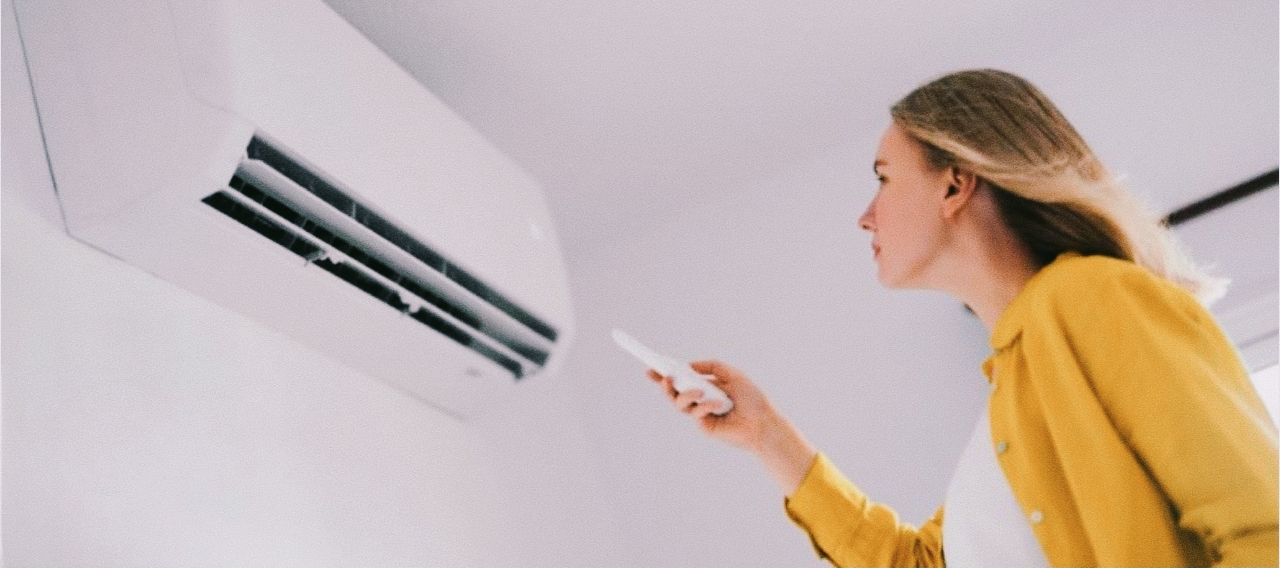
Is your AC quietly warning you before it breaks down on the hottest day of the year.
Air conditioners are a lifesaver in the heat—but a poorly maintained one can quietly affect your health, especially your lungs. Dust, mold, and dirty filters can turn your cool air into a hidden problem.
As temperatures climb and heatwave alerts become more common across India, a well-functioning AC is no longer just about comfort—it’s essential. You rely on it more than ever during extreme weather.
Your AC needs regular maintenance to perform safely and efficiently, just like any electronic device. A little care now can prevent bigger issues later.
These subtle warning signs often go unnoticed—until you’re stuck sweating in an emergency repair situation.
Warning Signs Your AC Shouldn’t Be Ignored
Cooling starts to feel weak? That’s often the first clue your AC isn’t performing as it should.
Unusual noises or vibrations are another red flag—your unit shouldn’t sound or feel rough while running.
A sudden spike in your electricity bill can signal inefficiency, meaning your AC is working harder than necessary.
Foul or musty smells usually point to clogged filters or internal buildup that needs cleaning.
Water leakage around the unit is a serious warning sign and should be addressed immediately to avoid bigger damage.
When Your AC Affects Your Health
Frequent sneezing, coughing, or a runny nose indoors? Your AC could be circulating dust, mold, and allergens.
If symptoms escalate to wheezing or chest tightness, it may trigger or worsen conditions like asthma and allergies.
Unclean filters often spread these irritants, turning cool air into a hidden health risk.
Constant AC use can also dry out indoor air, leading to discomfort.
Dry throat, itchy skin, and irritated eyes are common signs your AC is affecting humidity levels and needs attention.
Don’t Ignore That Smell
A musty or unpleasant odor from your AC is a clear warning sign something’s wrong inside.
Dirty systems can spread dust, mold, and allergens, triggering breathing issues, wheezing, and sinus trouble.
Persistent throat infections or recurring sinus problems may point to bacteria buildup in the unit.
Feeling headaches, fatigue, or heaviness after long hours in AC rooms can signal poor air quality.
Inadequate airflow and high indoor CO₂ levels can also reduce concentration and leave you feeling sluggish.
Smart Maintenance, Longer Cooling Life
Regular servicing by OEM-authorized professionals keeps your AC running smoothly, efficiently, and reliably.
Expert checkups with advanced diagnostic tools can spot issues early—before they turn into costly breakdowns.
Using genuine parts and timely maintenance also extends your AC’s lifespan, saving you money and stress in the long run.
Simple Steps For Safer Cooling
Clean your AC filters regularly and maintain a comfortable temperature for better energy efficiency.
Ensure proper airflow by keeping vents unblocked and improving room ventilation for healthier indoor air quality.
Stay hydrated, as AC environments can dry out your body and cause discomfort over time.
Schedule routine maintenance to prevent dust, mold buildup, and sudden breakdowns.
Avoid running the AC in completely sealed rooms for long hours, as this can increase CO₂ buildup and reduce fresh air circulation.
Your AC doesn’t fail suddenly—it signals trouble early through cooling issues, strange smells, noise, leaks, and even health discomfort.
Ignoring these signs can lead to expensive repairs and poor indoor air quality.
Regular cleaning, timely servicing, and smart usage habits can keep your AC efficient, safe, and long-lasting while protecting your health and comfort.
Are you noticing these AC warning signs before they turn into costly repairs or health issues?


Leave a Reply