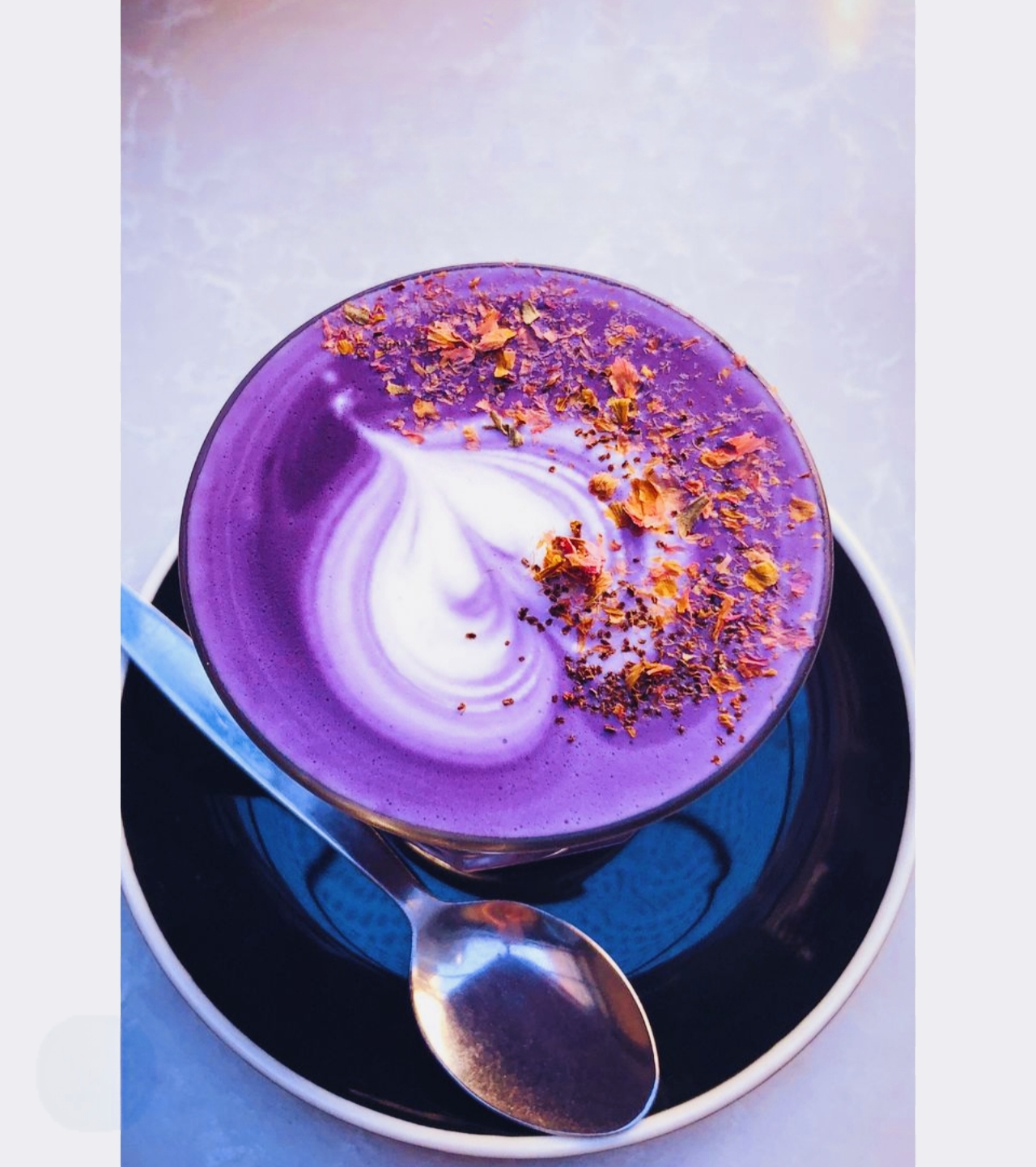
Is ube coffee the next must-try obsession or just another social media–fueled fad?
Ube coffee is becoming popular because it looks eye-catching and tastes sweet and nutty. Many people share it on social media because of its bright purple color. But the main question is whether it actually tastes good or is just popular because it looks nice.
The Purple Coffee Craze
Ube coffee has quickly become a standout café trend, with pastel purple lattes and glossy iced drinks filling social media feeds.
Ube, or purple yam, is a naturally sweet root vegetable from Filipino cuisine, known for its vibrant color, earthy flavor, and creamy texture.
Traditionally used in cakes, ice cream, and halaya, ube has now made its way into coffee, turning everyday lattes into eye-catching purple creations.
These drinks aren’t just pretty—they offer a mild sweetness and unique flavor that pairs smoothly with coffee.
Ube does add some natural goodness, but the real question remains: is it truly healthy, or simply another social media-driven trend?
Healthy or Hype?
Ube contains fiber and antioxidants that support digestion and overall wellness.
Its popularity is mainly because of its bright purple color and social media hype.
It offers some nutritional value, but it shouldn’t be considered a miracle superfood.
In small amounts, it can provide modest health benefits, but it isn’t a game-changer.
It can be a healthier option when prepared simply, without excess sugar or additives.
Overall, ube is somewhat healthy—but right now, it’s more of a trend than a true health essential.
Sugar Check Matters
Many cafe-style ube coffees are loaded with extra sugar, syrups, and cream.
These additions often make them no healthier than regular flavored coffee.
The overall health value depends more on how the drink is prepared than the ube itself.
Ube’s natural sweetness can be misleading and doesn’t automatically make it diabetic-friendly.
What matters is the final drink, including all added ingredients.
Enjoy ube coffee in moderation, as extra sugar and cream can quickly increase calories and blood sugar levels.
Balanced Choices
For people managing diabetes or watching their weight, portion size is just as important as the ingredients.
Choosing low-sugar versions is a better option.
Drinking in moderation is key to staying balanced.
Keeping portions under control helps manage overall calorie and sugar intake.
Ube does have some benefits, but they are fairly basic. It provides fiber and a small amount of antioxidants, offering mild nutritional value.
Ube coffee is a trendy, visually appealing drink with some nutritional benefits like fiber and antioxidants.
However, its health value depends heavily on how it’s prepared, especially in terms of sugar and portion size.
In most cafe versions, it leans more toward a sweet treat than a health drink.
Is ube coffee actually worth the hype—or are we all just drinking it for the social media moment?
DISCLAIMER: This article is derived from information available in the public domain.It’s always a good idea to check your doctor before beginning any new routine.


Leave a Reply