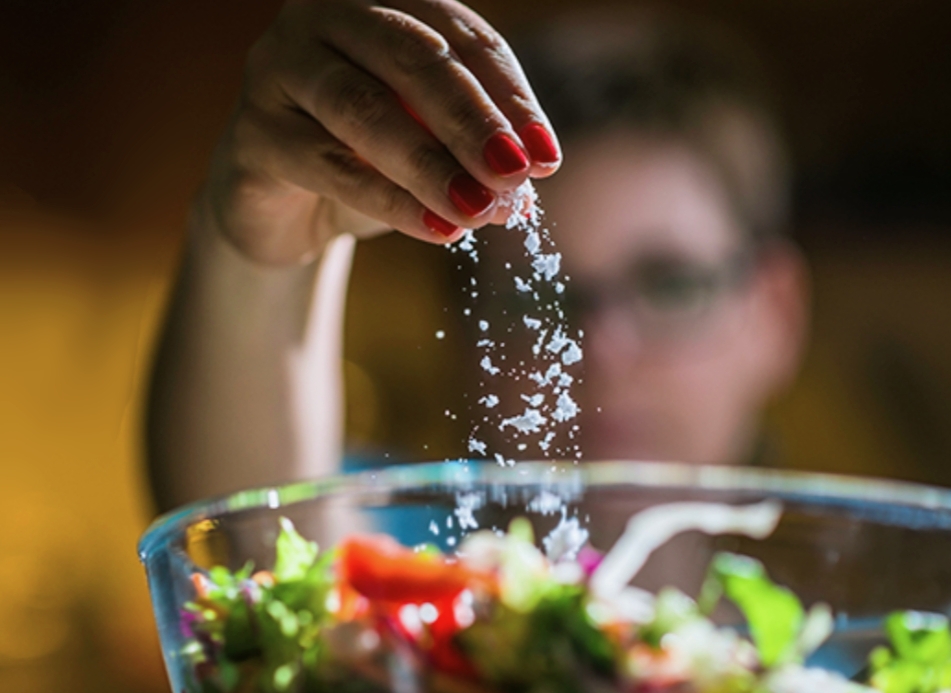
A lot of folks are trying to cut down on salt, especially if they’re concerned about high blood pressure or heart issues.
Cutting back on sodium is good, but maintaining an extremely low-salt diet for a long time can have some surprising impacts on your health.
Sodium isn’t just a flavor enhancer – it’s crucial for keeping fluid balance, nerve function, and muscle activity in check.
If your sodium intake drops too low for too long, it can throw off your body’s delicate electrolyte balance.
Sodium is key for maintaining blood volume, managing blood pressure, and allowing nerve signals and muscle contractions to happen.
Lower blood pressure and inadequate kidney fluid management can result from persistently low sodium levels.
Hormonal systems like the renin-angiotensin-aldosterone pathway, which aids in the body’s retention of sodium, are eventually strained by this.
Long-term sodium deficiency can cause hyponatremia, a condition in which blood sodium levels fall to dangerously low levels, in more serious circumstances.
This can impact brain function and may lead to confusion, weakness, decreased stamina, and hindered physical performance.
Sodium is essential for sending nerve signals and aiding muscle contractions.
A quick drop in sodium levels can cause blood pressure to plummet, which reduces blood flow to the brain, resulting in dizziness, lightheadedness, and fatigue.
An imbalance in electrolytes can mess with muscle fibers, leading to cramps or spasms.
Plus, the kidneys might not adjust quickly enough to these changes, which can make fluid imbalance worse and lead to ongoing fatigue and trouble concentrating.
People who exercise vigorously lose a lot of sodium through sweat, and if they cut back too much on their intake, they could end up with deficiencies.
Individuals with conditions like adrenal insufficiency, chronic kidney disease, or those on diuretics need to be especially careful.
Reducing salt intake too much can increase the risk of electrolyte problems, dehydration, weakness, and falls in these people.
Sodium requirements can differ based on factors like climate, activity levels, and personal health conditions.
For those with blood pressure or kidney issues, regular check-ups and medical advice are crucial.
Keeping an eye out for signs like ongoing fatigue, dizziness, or muscle cramps can help in making necessary adjustments.
Consulting with a healthcare professional can help ensure sodium intake is balanced, which is key for both long-term health and everyday bodily operations
DISCLAIMER: This article is derived from information available in the public domain.It’s always a good idea to check your doctor before beginning any new routine.
- The Future Of Air Travel: Why The 100ml Liquid Limit May Soon Disappear

- Rising Temperatures, Rising Tempers? The Surprising Link Between Heat And Aggression

- India’s Lost Dragonfly Returns After 110 Years

- Snapchat Introduces Safer Story Sharing For Under-16 Users

- Google Launches Gemini 3.5 Live Translate

- The New Dating Trend Everyone’s Talking About: Puffer-Fishing

- Tea, Coffee, Juice: The Worst Empty Stomach Mistakes

- Instagram Introduces Profile Grid Customization

- Skywatchers Alert: Jupiter And Venus Set For A Rare Close Encounter Tonight

- Chrome Just Downloaded a 4GB AI Model? Here’s How to Delete It

- Why Does Real Love Feel Different Than We Expect?

- The 30-Minute Parenting Secret Every Child Needs

- Remote Robotics: Control Robotic Arms From Your Smartphone

- Mumbai’s Pod Taxis: Will BKC Benefit?

- Beyond The Missing Period: Understanding MRKH Syndrome

- Why Calling Every Stomach Problem ‘Gas’ Can Be Risky?

- Poke: Apple’s First AI Agent Debuts

- AC Drying Out Your Skin? Try This Simple Fix

- Want More Fireflies? Transform Your Garden Today

- Spotify Launches Podcast Clips For Instant Highlight Saving

- The Hidden Reason Summer Causes More Headaches

- Early Iron Deficiency Symptoms You Shouldn’t Ignore

- Meta Introduces Premium ‘Plus’ Tier For Instagram, Facebook And WhatsApp

- WhatsApp Launches Channel Status For 24-Hour Admin Updates

- 5 Powerful Signs You’re With The Right Person

- Social Media: The New Smoking For Children?

- Dewy, Glossy, Sweaty: The Viral Makeup Trend Everyone’s Trying

- Luna Launches Smart AI Band For Real-Time Daily Planning

- Meta Launches New ‘Forum’ App

- Why Is Your C-Section Scar Vertical?

- Red vs Orange Heat Alerts: Which One Puts Your Body At Greater Risk?

- Does AC Sleep Weaken Your Immunity? – Myth or Fact?

- The Rise Of Nonnamaxxing

- How To Clean Mushrooms Without Turning Them Soggy?

- How Hot Nights Quietly Harm Your Sleep And Heart?

- Indian Content Creators Can Win a Free Nepal Trip — Here’s How To Apply

- Gemini Omni Flash Brings Multimodal AI Video Creation To Google

- Essential Oil Diffusers: Healthy Trend or Hidden Hazard?

- Gmail Users Alert: Your Free 15 GB Storage Could Disappear

- YouTube Introduces Likeness Detection For 18+ Users

- AI vs Human Language: Is Learning Still Worth It?

- OpenAI Unveils ChatGPT Finance Tools With Direct Bank Integration

- The Ageing Risk Of Sleeping Too Much Or Too Little

- Fitness or Future Pain? The Truth About Joint-Damaging Workouts

- Salt Water Trend: What You Need To Know First?

- X Launches History Tab For Likes, Bookmarks And Videos

- Stay Chill: Smart Gadgets For Summer

- Instagram Launches Instant For Disappearing Photos

- ChatGPT App Now Supports Codex Coding Tool

- Best Smart Devices For Senior Citizens

- Why Did Humans Use To Eat Soil, And Why Do Some Still Do?


Leave a Reply