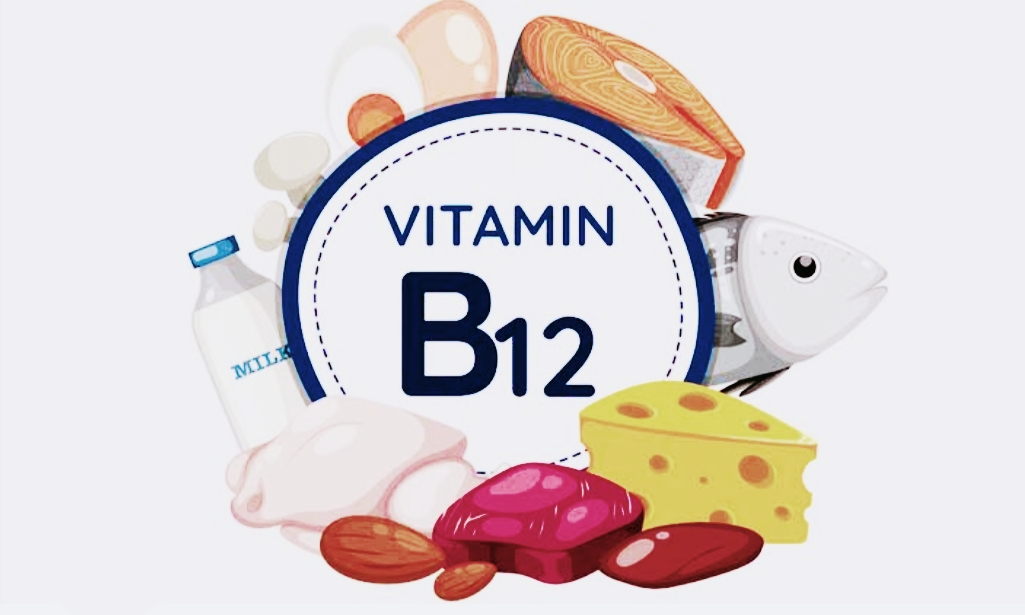
Essential for vital functions such as energy production, DNA synthesis, and central nervous system function, vitamin B12 is a necessary nutrient. In the US and the UK, 20% of those over 60 suffer from vitamin deficiencies, despite its significance. It is important to pay attention to these important vitamin B12 symptoms and indicators.
Vitamin B12
A water-soluble vitamin that is essential for many body processes is vitamin B12. Fish, poultry, eggs, and milk are among the foods that naturally contain it; however, most plant-based meals do not contain it unless they are fortified. Cobalamins are a group of molecules that have vitamin B12 action since vitamin B12 contains the element cobalt.Because the body is unable to generate B12, it must be obtained through diet or supplements.
What Role Does Vitamin B12 Play
One powerful nutrient to think about is vitamin B12.
Red blood cell production: Aids in creating healthy red blood cells and helps avoid megaloblastic anemia.
DNA replication: Crucial for the replication and upkeep of DNA within cells.
Nerve function: Preserves the well-being of nerve cells and promotes the proper operation of the nervous system.
Energy generation: Participates in the transformation of carbohydrates into glucose,
thereby supplying energy.
Brain health and cognitive function: Aids in memory, concentration, and general cognitive wellness, may lower the chances of neurodegenerative disorders.
Heart health: Assists in managing homocysteine
levels in the bloodstream, which can decrease the risk of
heart disease.
Mood Control: It is essential for the creation of neurotransmitters such as serotonin and dopamine, which affect our mood.
Aids Bone Health: It aids in maintaining bone strength; insufficient levels are associated with lower bone mineral density.
Skin, hair, and nail wellness: Encourages healthy cell growth, which benefits the condition of skin, hair, and nails.
Immune system support: Assists in generating white blood cells, essential for maintaining a robust immune system.
Vitamin B12 Deficiency Signs
There are many different symptoms that vitamin B12 can cause. Despite their delayed onset, symptoms can get worse if the illness is left untreated. Vitamin B12 shortage can result from gastrointestinal surgery, long-term use of certain drugs, poor diet, difficulties absorbing vitamin B12 from food, or absence of intrinsic factor (due to pernicious anemia, for example).
1)Chronic fatigue, Insufficient levels of vitamin B12 diminish the production of oxygen-transporting red blood cells, resulting in ongoing tiredness or weakness.
2)Pale or yellowish skin, A significant indicator of low vitamin B12 is the paleness of the skin. Anemia associated with B12 deficiency causes the skin to appear pale due to inadequate red blood cell generation. Additionally, it may lead to jaundice.
3)Headaches
4)Mood swings, A lack of nutrients can lead to feelings of depression, irritability, or anxiety because it messes with neurotransmitter production.
5)Glossitis and mouth sores, A sore, red, or smooth tongue along with mouth ulcers can be early indicators, often with a burning feeling.
6)Weight loss
7)Feeling unwell, People might feel nauseous, vomit, or have diarrhea.
Symptoms Of Vitamin B12 Deficiency
- Loss of feeling.
- Reduced strength in muscles.
- Mental health issues, which may vary from slight depression or anxiety to confusion and dementia.
- Difficulties with balance and coordination.
- Tingling sensations.
- Loss of bladder control.
- New Zealand Legend Kane Williamson Announces Retirement
- FIFA World Cup 2026: How Fans Can Watch Matches For Free
- YouTube Relaunches Private Chats With Age Verification
- The Future Of Air Travel: Why The 100ml Liquid Limit May Soon Disappear
- Rising Temperatures, Rising Tempers? The Surprising Link Between Heat And Aggression
- India’s Lost Dragonfly Returns After 110 Years
- Snapchat Introduces Safer Story Sharing For Under-16 Users
- Google Launches Gemini 3.5 Live Translate
- The New Dating Trend Everyone’s Talking About: Puffer-Fishing
- Tea, Coffee, Juice: The Worst Empty Stomach Mistakes
- Instagram Introduces Profile Grid Customization
- Skywatchers Alert: Jupiter And Venus Set For A Rare Close Encounter Tonight
- Chrome Just Downloaded a 4GB AI Model? Here’s How to Delete It
- Why Does Real Love Feel Different Than We Expect?
- The 30-Minute Parenting Secret Every Child Needs
- Remote Robotics: Control Robotic Arms From Your Smartphone
- Mumbai’s Pod Taxis: Will BKC Benefit?
- Beyond The Missing Period: Understanding MRKH Syndrome
- Why Calling Every Stomach Problem ‘Gas’ Can Be Risky?
- Poke: Apple’s First AI Agent Debuts
- AC Drying Out Your Skin? Try This Simple Fix


Leave a Reply