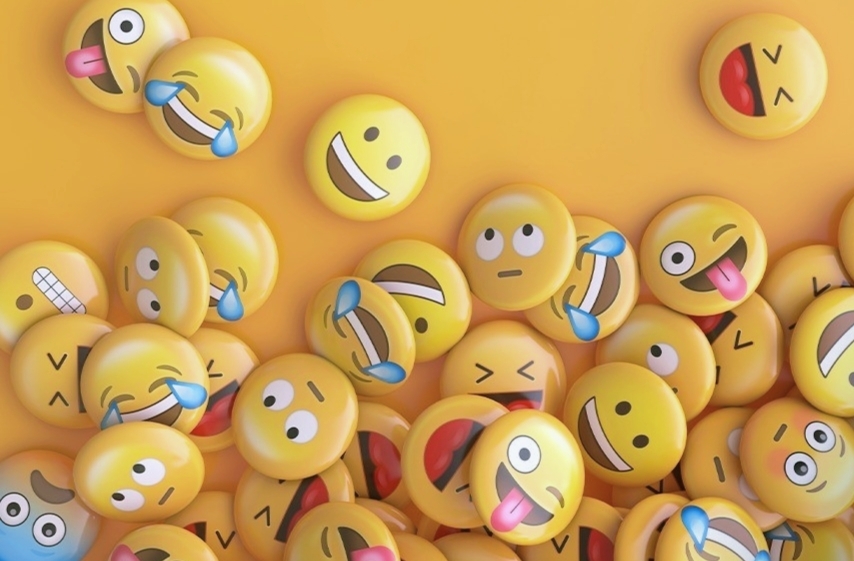
The majority of Gen Zers (88%) believe that emojis are helpful in the workplace. According to an Atlassian poll, they improve workplace communication, elicit the appropriate emotion, and facilitate the development of connections.
Atlassian, in partnership with YouGov, conducted a survey involving 10,000 knowledge workers from the USA, Australia, France, Germany, and India about their workplace communication and productivity between August 8 and August 24, 2024.
Gen Z already accounts for 25% of India’s workforce, and by 2035, that number is expected to rise to 47%, according to a joint report by Boston Consulting Group (BCG) and Snap Inc. However, the emoji controversy serves as an example of a general misalignment in communication practices between younger workers and their more senior colleagues: less than half of Gen X and baby boomer knowledge workers believe emojis have a place at work.
This dispute may escalate into significant cultural problems, particularly in organizations where written correspondence is the standard: Nearly half (44%) of respondents stated that written communications are their major method of contact, surpassing face-to-face conversations, whereas 93% of respondents said they frequently interact in writing.
The survey claims that emojis are a component of Gen Z’s digital body language, which is a phrase used to describe everyday behaviors including tone, punctuation, and how quickly someone replies to a message. One of the most important ways to communicate in the workplace and build long-lasting relationships is through digital body language.
In a statement, Dominic Price, Work Futurist at Atlassian, states: “We have completely changed the way we communicate at work. Slack threads, Zoom chats, emails, and direct messages are all digital these days. And that change has been a learning curve for many of us”, says.
Indeed, Gen Z is four times more likely than Gen X to encounter imprecise communication on a daily basis, and half of Gen Z respondents (48%) claim that they lose time every week trying to decipher written signals from their coworkers, time that could be spent on more important, productive tasks.
The expectations that Gen Z brings to the workplace are essentially different. They have been seeking emotional clues in a context-starved society since the start of the pandemic, and many of them started full-time jobs during and right after it.
Approachable language is expected of them while they search for employment, not just a nice-to-have. Emoji reactions encourage Gen Zers 2.5 times more frequently than their Boomer counterparts. Of Gen Zers, over two-thirds (61%) acknowledged that they are more inclined to read communications that include a few emojis.


Leave a Reply