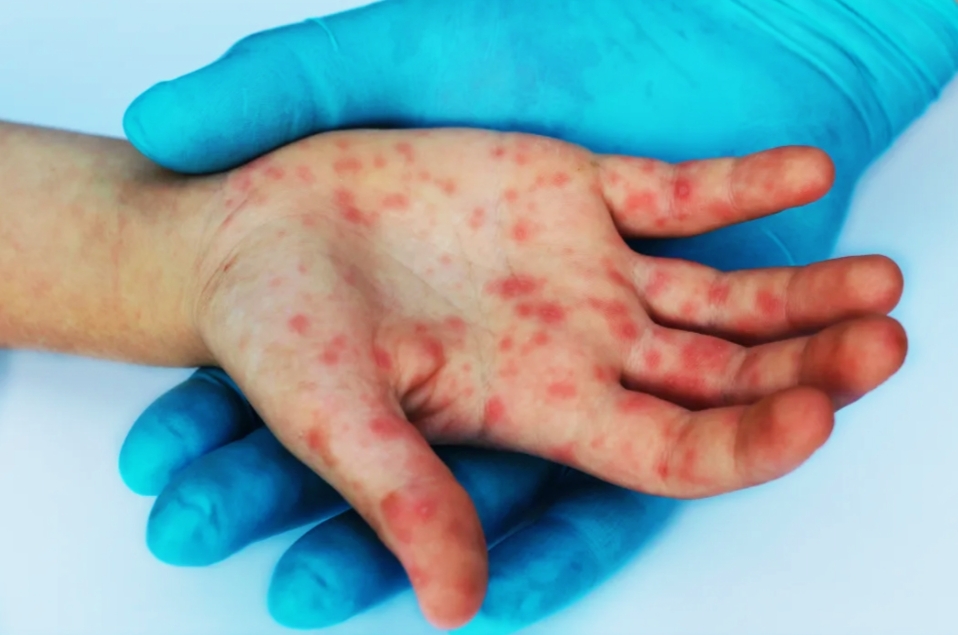
The measles virus might still be present in the air,up to two hours after an infected individual coughs or sneezes, so direct contact is not necessary for infection. This extremely contagious respiratory illness is traveling the world as summer travel picks up speed, stopping at airports, concerts, and popular tourist destinations.
The Centers for Disease Control and Prevention (CDC) recently released an advisory stating that “Measles can be contracted by travelers in a variety of locations, including as large, crowded events, tourist attractions, public transit like trains and airplanes, and travel hubs like airports”.
The U.S. has seen its biggest measles outbreak since 2020, with 1,088 confirmed cases in 32 states as of May 30. Additionally, 62 of those incidents included people who were flying, according to the CDC.
How Measles Transmitted And What Makes It So Risky
A person who has measles can spread the disease by coughing or sneezing respiratory droplets. However, it survives for hours on surfaces and in the air after exposure, in contrast to many other viruses.
Measles is a highly infectious virus that spreads via the air when an infected person coughs, sneezes, or breathes, generating microscopic virus-containing droplets. People can contract these droplets by breathing them in or by contacting contaminated surfaces and then touching their mouth, nose, or eyes.
According to the CDC, a person can spread the measles rash up to four days before and after it manifests. Early signs include a high fever, cough, runny nose, and watery, red eyes that resemble the common cold.
The Top Way To Stay Safe
The measles, mumps, and rubella (MMR) vaccine is advised by the CDC for everyone, particularly those who intend to travel abroad. One dose should be given to infants aged 6 to 11 months at least two weeks before to travel.
Children are to receive an additional two doses: the first between 12 and 15 months, and the second between the ages of 4 and 6.
“Children aged 12 months and older, as well as teenagers and adults who are uncertain about their immunity to measles, should obtain two doses of the MMR vaccine, spaced at least 28 days apart, prior to international travel”, the CDC highlighted in its advisory.
It’s possible that the vaccine administered to adults between 1963 and 1967 was less effective. “The CDC recommends another dose if you fall into that age range and you are not sure what version of the vaccine you got”, stated Adam Ratner, director of pediatric infectious diseases at NYU Grossman School of Medicine. For people born before 1957, immunity is assumed to have been granted by a childhood natural infection.
Flight Travel, What’s The Actual Risk
Even though measles spreads through the air, the real danger on planes isn’t as high as you might assume.
Experts say that traveling itself isn’t really risky since planes are equipped with filters; however, these filters are usually switched off when people are boarding or getting off. Most travel-related cases happen not during the flight, but at places where outbreaks are happening.
What’s The Deal With Terminals And Public Spaces
Measles can spread beyond just the air or your seat on a plane. A 2014 report from the CDC revealed that four unvaccinated individuals caught measles after short encounters in a U.S. airport terminal—not even in the international area. While this advisory should be regarded with the highest level of seriousness, there’s no reason to panic.
Exposed and Unvaccinated,Here Are The Steps You Can Take
If you haven’t been vaccinated and think you might have been exposed to measles, it’s important to act quickly.
The CDC recommends receiving the MMR vaccine within 72 hours of exposure to lessen the severity of symptoms or possibly avoid getting sick altogether. If getting vaccinated isn’t feasible, receiving a dose of immunoglobulin within six days could be beneficial.
For individuals traveling who are unable to receive the vaccine due to pregnancy, immune system compromise, or recent vaccinations, the CDC recommends consulting with a healthcare professional and potentially delaying your travel plans.
Measles cases have been reported this year in 32 states, such as California, Florida, Texas, and New York. On a global scale, outbreaks in Mexico and Canada have prompted the CDC to advocate for pre-travel vaccinations for any international destination.
- FIFA World Cup 2026: How Fans Can Watch Matches For Free
- YouTube Relaunches Private Chats With Age Verification
- The Future Of Air Travel: Why The 100ml Liquid Limit May Soon Disappear
- Rising Temperatures, Rising Tempers? The Surprising Link Between Heat And Aggression
- India’s Lost Dragonfly Returns After 110 Years
- Snapchat Introduces Safer Story Sharing For Under-16 Users
- Google Launches Gemini 3.5 Live Translate
- The New Dating Trend Everyone’s Talking About: Puffer-Fishing
- Tea, Coffee, Juice: The Worst Empty Stomach Mistakes
- Instagram Introduces Profile Grid Customization
- Skywatchers Alert: Jupiter And Venus Set For A Rare Close Encounter Tonight
- Chrome Just Downloaded a 4GB AI Model? Here’s How to Delete It
- Why Does Real Love Feel Different Than We Expect?
- The 30-Minute Parenting Secret Every Child Needs
- Remote Robotics: Control Robotic Arms From Your Smartphone
- Mumbai’s Pod Taxis: Will BKC Benefit?
- Beyond The Missing Period: Understanding MRKH Syndrome
- Why Calling Every Stomach Problem ‘Gas’ Can Be Risky?
- Poke: Apple’s First AI Agent Debuts
- AC Drying Out Your Skin? Try This Simple Fix
- Want More Fireflies? Transform Your Garden Today
- Spotify Launches Podcast Clips For Instant Highlight Saving
- The Hidden Reason Summer Causes More Headaches
- Early Iron Deficiency Symptoms You Shouldn’t Ignore
- Meta Introduces Premium ‘Plus’ Tier For Instagram, Facebook And WhatsApp
- WhatsApp Launches Channel Status For 24-Hour Admin Updates
- 5 Powerful Signs You’re With The Right Person
- Social Media: The New Smoking For Children?
- Dewy, Glossy, Sweaty: The Viral Makeup Trend Everyone’s Trying
- Luna Launches Smart AI Band For Real-Time Daily Planning
- Meta Launches New ‘Forum’ App
- Why Is Your C-Section Scar Vertical?
- Red vs Orange Heat Alerts: Which One Puts Your Body At Greater Risk?
- Does AC Sleep Weaken Your Immunity? – Myth or Fact?
- The Rise Of Nonnamaxxing
- How To Clean Mushrooms Without Turning Them Soggy?
- How Hot Nights Quietly Harm Your Sleep And Heart?
- Indian Content Creators Can Win a Free Nepal Trip — Here’s How To Apply
- Gemini Omni Flash Brings Multimodal AI Video Creation To Google
- Essential Oil Diffusers: Healthy Trend or Hidden Hazard?
- Gmail Users Alert: Your Free 15 GB Storage Could Disappear


Leave a Reply