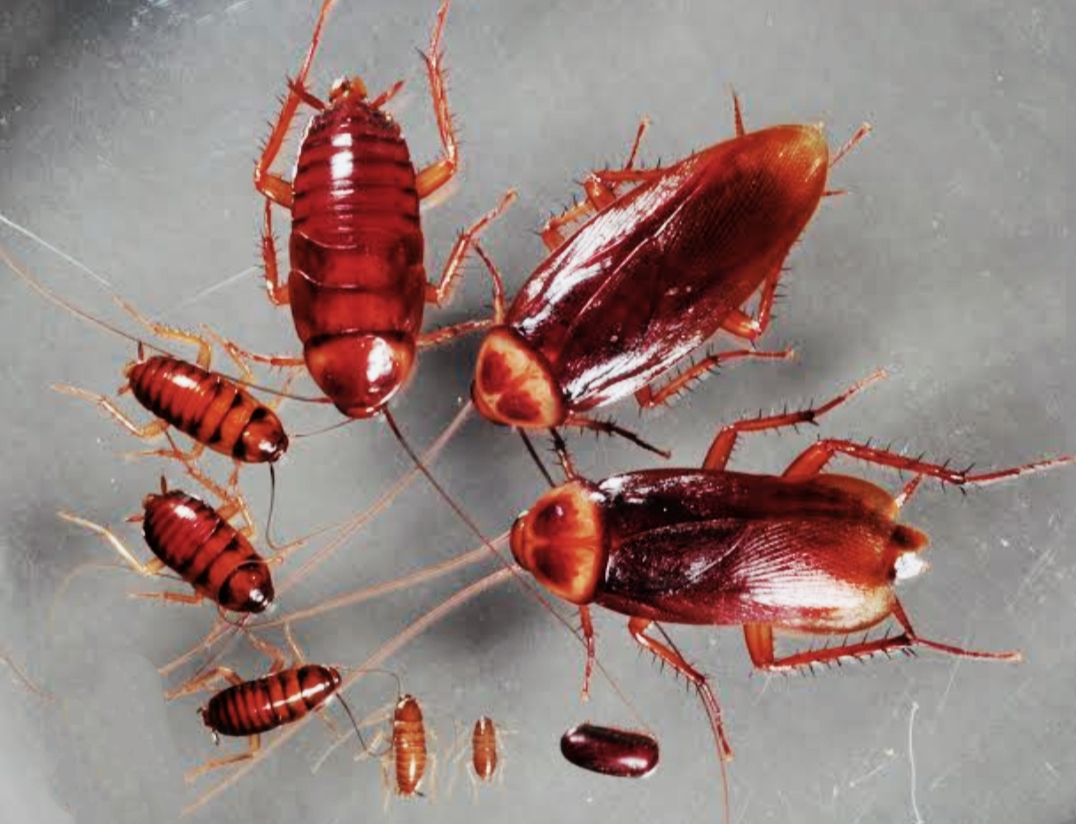
Cockroaches don’t depend on their heads for a lot of essential life functions. It might seem like a scene from a horror flick, but this creepy fact is totally real and pretty disturbing. Cockroaches are famous for their incredible toughness, but the notion that they can live for nearly a week without their heads really elevates that reputation.
While most living beings would die within moments of being decapitated, cockroaches break the mold due to their special biology.
How Does This Happen?
Cockroaches don’t depend on their heads for several essential life processes. When a cockroach loses its head, it doesn’t instantly die because its circulatory system works in a way that’s quite different from ours.
Cockroaches have an open circulatory system and their blood pressure is pretty low, which means they don’t suffer from severe blood loss that could kill them quickly. Usually, the wound at their neck clots fast, effectively sealing the injury.
The respiratory system is another crucial factor for their survival. Unlike humans who breathe through their nose and mouth, cockroaches take in air through tiny openings found along their body segments. As stated by Discover Wildlife, “The cockroach’s brain doesn’t manage its breathing, and blood doesn’t transport oxygen to the body. Instead, air is delivered straight to the tissues via a network of tubes known as tracheae”.
Interestingly, cockroaches can keep moving and reacting to things even when they don’t have their brains. This happens because the ganglia in their body segments can manage basic actions like walking and can respond to simple things like touch or light. Basically, each segment of their body has some level of independent function.
The cockroach’s straightforward nervous system lets these control centers work together to handle basic bodily tasks. But without the brain to coordinate everything, their movements start to lose purpose and coordination over time.
Even though a headless cockroach can handle the initial shock and keep up basic functions, it can’t survive forever. The main issue is food. Without a mouth, the cockroach can’t eat or drink, which means it will eventually die from hunger or dehydration.
Headless cockroaches usually live for a few days to a couple of weeks, depending on the environment and the health of the insect before it was decapitated.
Temperature is a key factor too. Since cockroaches are cold-blooded, their metabolism slows down in cooler temperatures, which might help them survive longer. But as their energy runs low, they become less active and responsive, eventually resulting in death.
- New Zealand Legend Kane Williamson Announces Retirement

- FIFA World Cup 2026: How Fans Can Watch Matches For Free

- YouTube Relaunches Private Chats With Age Verification

- The Future Of Air Travel: Why The 100ml Liquid Limit May Soon Disappear

- Rising Temperatures, Rising Tempers? The Surprising Link Between Heat And Aggression

- India’s Lost Dragonfly Returns After 110 Years

- Snapchat Introduces Safer Story Sharing For Under-16 Users

- Google Launches Gemini 3.5 Live Translate

- The New Dating Trend Everyone’s Talking About: Puffer-Fishing

- Tea, Coffee, Juice: The Worst Empty Stomach Mistakes

- Instagram Introduces Profile Grid Customization

- Skywatchers Alert: Jupiter And Venus Set For A Rare Close Encounter Tonight

- Chrome Just Downloaded a 4GB AI Model? Here’s How to Delete It

- Why Does Real Love Feel Different Than We Expect?

- The 30-Minute Parenting Secret Every Child Needs

- Remote Robotics: Control Robotic Arms From Your Smartphone

- Mumbai’s Pod Taxis: Will BKC Benefit?

- Beyond The Missing Period: Understanding MRKH Syndrome

- Why Calling Every Stomach Problem ‘Gas’ Can Be Risky?

- Poke: Apple’s First AI Agent Debuts

- AC Drying Out Your Skin? Try This Simple Fix

- Want More Fireflies? Transform Your Garden Today

- Spotify Launches Podcast Clips For Instant Highlight Saving

- The Hidden Reason Summer Causes More Headaches

- Early Iron Deficiency Symptoms You Shouldn’t Ignore

- Meta Introduces Premium ‘Plus’ Tier For Instagram, Facebook And WhatsApp

- WhatsApp Launches Channel Status For 24-Hour Admin Updates

- 5 Powerful Signs You’re With The Right Person

- Social Media: The New Smoking For Children?

- Dewy, Glossy, Sweaty: The Viral Makeup Trend Everyone’s Trying

- Luna Launches Smart AI Band For Real-Time Daily Planning

- Meta Launches New ‘Forum’ App

- Why Is Your C-Section Scar Vertical?

- Red vs Orange Heat Alerts: Which One Puts Your Body At Greater Risk?

- Does AC Sleep Weaken Your Immunity? – Myth or Fact?

- The Rise Of Nonnamaxxing

- How To Clean Mushrooms Without Turning Them Soggy?

- How Hot Nights Quietly Harm Your Sleep And Heart?

- Indian Content Creators Can Win a Free Nepal Trip — Here’s How To Apply

- Gemini Omni Flash Brings Multimodal AI Video Creation To Google

- Essential Oil Diffusers: Healthy Trend or Hidden Hazard?

- Gmail Users Alert: Your Free 15 GB Storage Could Disappear

- YouTube Introduces Likeness Detection For 18+ Users


Leave a Reply