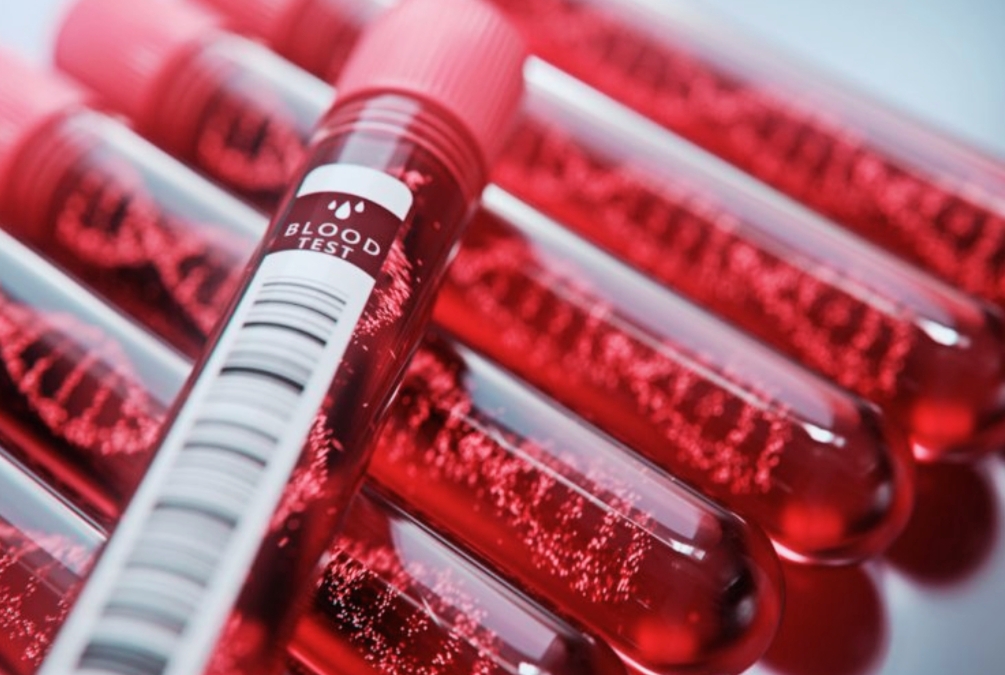
Could a straightforward blood test alert people to brain diseases long before any symptoms appear?. Taking this test if it could provide a warning years ahead of symptoms?.
The Neurofilament Light Chain (NfL) test could be a real game changer.
Neurofilament Light Chain
Neurofilament light chain (NfL) – a marker for nerve cell damage.
It is becoming one of the strongest indicators of brain health. High levels are associated with Alzheimer’s, Parkinson’s, multiple sclerosis, stroke, and even traumatic brain injuries.
People might feel ‘fine’. But NfL could already be raising a red flag.
Why This Is Crucial?
Nerve cells don’t heal easily. High NfL indicates silent but ongoing brain damage – often before any symptoms show up.
Test Functions
The test involves,the serum/plasma NfL test is just a simple blood draw.
It detects tiny protein fragments (NfL) that are released when brain or spinal cord cells get damaged.
Typically, these proteins remain within neurons. When neurons are harmed, they leak into the bloodstream and spinal fluid, where we can measure them.
Doctors might use NfL trends as an early warning sign or to monitor disease progression even before an MRI reveals any changes.
The Importance Of Prevention
Individuals keep their blood pressure and blood sugar in check, get 7-8 hours of sleep, stay active every day, follow a Mediterranean style diet, steer clear of smoking and too much alcohol, and handle stress effectively.
Brain damage can be quiet – until it’s not.Don’t wait for symptoms to show up.
Talk to your doctor about NfL testing if individuals are at risk or have a family history of neurological issues.
Elevated neurofilament light chain indicates neuronal injury and is one of the most sensitive blood markers we have for ongoing brain damage.
It serves as a particularly valuable prognostic tool since higher levels are consistently linked to a quicker decline or a higher chance of developing symptomatic disease in various disorders, including Parkinson’s disease and Alzheimer’s-related syndromes.
In reality, the most effective way to use NfL is as part of a comprehensive evaluation that includes clinical assessments, imaging, and other biomarkers.
The test is indeed a simple blood draw, and thanks to modern high sensitivity technology, we can accurately measure very low levels.
NfL testing is now available through commercial labs and reference centers, with validated tests offered by major providers.
Routine screening for the general population isn’t standard practice.
NfL tests are most beneficial when requested by a doctor who can analyze the results in conjunction with symptoms, imaging, and other tests.
DISCLAIMER: This article is derived from information available in the public domain.It’s always a good idea to check your doctor before beginning any new routine.
- YouTube Relaunches Private Chats With Age Verification
- The Future Of Air Travel: Why The 100ml Liquid Limit May Soon Disappear
- Rising Temperatures, Rising Tempers? The Surprising Link Between Heat And Aggression
- India’s Lost Dragonfly Returns After 110 Years
- Snapchat Introduces Safer Story Sharing For Under-16 Users
- Google Launches Gemini 3.5 Live Translate
- The New Dating Trend Everyone’s Talking About: Puffer-Fishing
- Tea, Coffee, Juice: The Worst Empty Stomach Mistakes
- Instagram Introduces Profile Grid Customization
- Skywatchers Alert: Jupiter And Venus Set For A Rare Close Encounter Tonight
- Chrome Just Downloaded a 4GB AI Model? Here’s How to Delete It


Leave a Reply