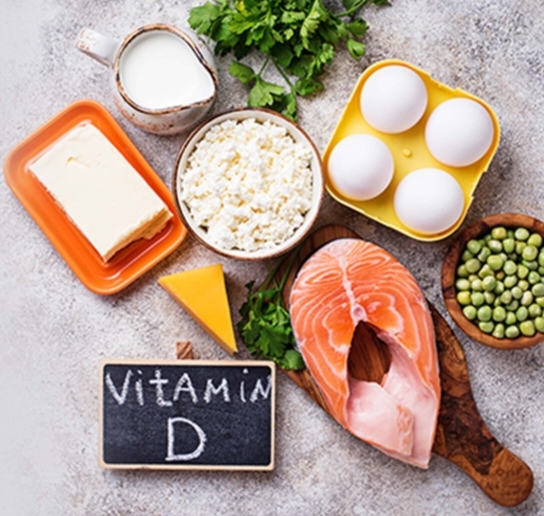
Getting enough vitamin D is super important for your bone health, immune system, and overall well being.
While getting some sun and taking supplements can help, there are certain everyday foods that might actually mess with how your body absorbs this vital nutrient.
When we eat foods that block vitamin D absorption, even if we have a diet that’s packed with nutrients or are taking the right supplements, it might not work as well as it should.
Things like fat content, specific minerals, or compounds found in some foods can lower the bioavailability of vitamin D, leaving many people clueless that their intake isn’t being fully used by their bodies.
Certain foods can affect how efficiently the body absorbs or utilises vitamin D.
Foods that are high in phytates, like whole grains and legumes, are at the top of the list because they can bind to vitamin D and minerals, making it harder for your body to absorb them.
Too much caffeine from coffee or tea can also mess with things by lowering the expression of vitamin D receptors in your intestines.
Processed foods loaded with trans fats and hydrogenated oils can hinder the absorption of fat-soluble vitamins, including vitamin D.
Lastly, while very high fiber diets are generally good for you, they can sometimes make it harder to absorb vitamin D since it’s fat-soluble and needs dietary fats for proper uptake.
There are specific food combinations or timing strategies that can help boost vitamin D absorption for those who might be deficient.
Since vitamin D is fat-soluble, pairing it with healthy fats can really enhance absorption.
For example, eating vitamin D-rich foods like eggs, salmon, or fortified cereals alongside good fat sources like avocado, olive oil, or nuts can improve uptake. Adding in vitamin K2-rich foods like fermented soy or cheese is also beneficial, as it aids calcium metabolism and works well with vitamin D.
Timing is important too.
Consuming vitamin D-fortified foods during your main meal of the day, when you’re likely to have more fat, can optimize absorption.
Regular sun exposure, even just for a few minutes each day, can also naturally increase your vitamin D levels.
Make sure your diet is balanced so you get enough vitamin D while still enjoying foods that might slightly hinder its absorption.
A balanced approach is essential. You don’t have to completely cut out foods that could affect vitamin D absorption, just focus on moderation and smart pairings.
For example, if you love high fiber meals or coffee, just make sure to also add vitamin D-rich foods and healthy fats to your daily meals.
Make it a habit to include oily fish, fortified dairy or plant-based milks, and egg yolks, while keeping your plate full of diverse nutrients.
DISCLAIMER: This article is derived from information available in the public domain.It’s always a good idea to check your doctor before beginning any new routine.
- The Future Of Air Travel: Why The 100ml Liquid Limit May Soon Disappear

- Rising Temperatures, Rising Tempers? The Surprising Link Between Heat And Aggression

- India’s Lost Dragonfly Returns After 110 Years

- Snapchat Introduces Safer Story Sharing For Under-16 Users

- Google Launches Gemini 3.5 Live Translate

- The New Dating Trend Everyone’s Talking About: Puffer-Fishing

- Tea, Coffee, Juice: The Worst Empty Stomach Mistakes

- Instagram Introduces Profile Grid Customization

- Skywatchers Alert: Jupiter And Venus Set For A Rare Close Encounter Tonight

- Chrome Just Downloaded a 4GB AI Model? Here’s How to Delete It

- Why Does Real Love Feel Different Than We Expect?

- The 30-Minute Parenting Secret Every Child Needs

- Remote Robotics: Control Robotic Arms From Your Smartphone

- Mumbai’s Pod Taxis: Will BKC Benefit?

- Beyond The Missing Period: Understanding MRKH Syndrome

- Why Calling Every Stomach Problem ‘Gas’ Can Be Risky?

- Poke: Apple’s First AI Agent Debuts

- AC Drying Out Your Skin? Try This Simple Fix

- Want More Fireflies? Transform Your Garden Today

- Spotify Launches Podcast Clips For Instant Highlight Saving

- The Hidden Reason Summer Causes More Headaches

- Early Iron Deficiency Symptoms You Shouldn’t Ignore

- Meta Introduces Premium ‘Plus’ Tier For Instagram, Facebook And WhatsApp

- WhatsApp Launches Channel Status For 24-Hour Admin Updates

- 5 Powerful Signs You’re With The Right Person

- Social Media: The New Smoking For Children?

- Dewy, Glossy, Sweaty: The Viral Makeup Trend Everyone’s Trying

- Luna Launches Smart AI Band For Real-Time Daily Planning

- Meta Launches New ‘Forum’ App

- Why Is Your C-Section Scar Vertical?

- Red vs Orange Heat Alerts: Which One Puts Your Body At Greater Risk?

- Does AC Sleep Weaken Your Immunity? – Myth or Fact?

- The Rise Of Nonnamaxxing

- How To Clean Mushrooms Without Turning Them Soggy?

- How Hot Nights Quietly Harm Your Sleep And Heart?

- Indian Content Creators Can Win a Free Nepal Trip — Here’s How To Apply

- Gemini Omni Flash Brings Multimodal AI Video Creation To Google

- Essential Oil Diffusers: Healthy Trend or Hidden Hazard?

- Gmail Users Alert: Your Free 15 GB Storage Could Disappear

- YouTube Introduces Likeness Detection For 18+ Users

- AI vs Human Language: Is Learning Still Worth It?

- OpenAI Unveils ChatGPT Finance Tools With Direct Bank Integration

- The Ageing Risk Of Sleeping Too Much Or Too Little

- Fitness or Future Pain? The Truth About Joint-Damaging Workouts

- Salt Water Trend: What You Need To Know First?

- X Launches History Tab For Likes, Bookmarks And Videos

- Stay Chill: Smart Gadgets For Summer

- Instagram Launches Instant For Disappearing Photos

- ChatGPT App Now Supports Codex Coding Tool

- Best Smart Devices For Senior Citizens

- Why Did Humans Use To Eat Soil, And Why Do Some Still Do?


Leave a Reply