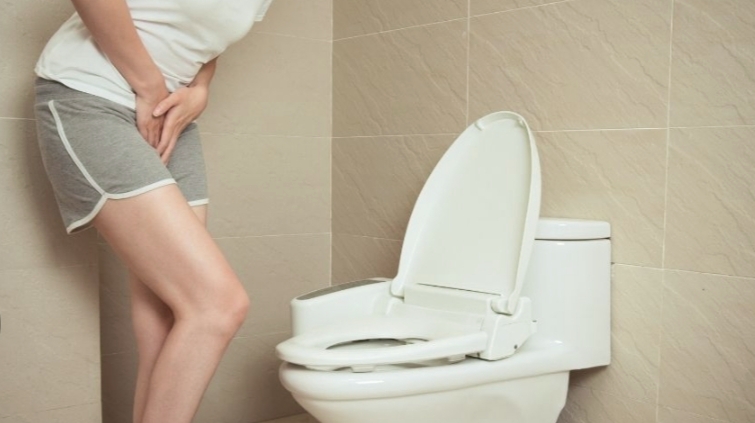
Many folks have felt that sudden, almost uncontrollable need to pee right before a big meeting, during a heated argument, or in moments of high anxiety at least once.
Addressing this widespread but rarely discussed problem.
The link between stress and sudden urinary urgency is very real.
Your bladder and brain are closely connected and when your body is under stress or anxiety, hormonal shifts can directly impact bladder behavior, heightening the urge to urinate.
To manage the problem rather than feel powerless or frightened by it, it is essential to comprehend this mind-body connection.
The first important step is to stay calm, sip on some water, and practicing meditation, yoga, and deep breathing exercises can help reset your bladder cycle and significantly aid in controlling your bladder.
When someone is stressed or anxious, the body releases stress hormones like adrenaline and cortisol.
These hormones trigger the fight-or-flight response, which ramps up nerve sensitivity and muscle activity throughout the body, including the bladder.
As a result, even when the bladder is not full, the muscle may contract more readily, causing an unexpected urge to urinate.
Increased nervous system sensitivity, prior bladder irritation, or pre-existing anxiety disorders can make some people more vulnerable to this reaction.
Individuals with a sensitive bladder or those who struggle with stress management often feel stronger and more frequent urges to urinate when under emotional stress.
Urinary urgency caused by stress is usually situational.
It usually appears during periods of panic, anxiety, or emotional stress and goes away when the person calms down or the stressor is removed.
Generally, there’s no pain, burning, fever, or change in urine color.
Urinary tract infections usually come with symptoms like burning during urination, foul-smelling or cloudy urine, lower abdominal pain, and sometimes fever.
An overactive bladder is marked by constant urgency, frequent urination day and night, and occasional leakage, even when stress isn’t a factor.
If you find that urinary urgency happens often, occurs during sleep, or comes with pain or discomfort, it’s crucial to get a medical check-up to rule out any underlying issues.
Managing stress is key to alleviating stress-related urinary urgency.
Practices like regular exercise, deep breathing, yoga, and mindfulness can help soothe the nervous system and lessen bladder overactivity.
Cutting back on bladder irritants such as caffeine, alcohol, and spicy foods can also lead to significant improvements.
Doing pelvic floor exercises can strengthen the muscles that control urination and enhance bladder control.
Over time, symptoms can be significantly reduced by maintaining a regular sleep schedule, staying hydrated without going overboard, and seeking psychological support when anxiety persists.
DISCLAIMER: This article is derived from information available in the public domain.It’s always a good idea to check your doctor before beginning any new routine.
- New Zealand Legend Kane Williamson Announces Retirement

- FIFA World Cup 2026: How Fans Can Watch Matches For Free

- YouTube Relaunches Private Chats With Age Verification

- The Future Of Air Travel: Why The 100ml Liquid Limit May Soon Disappear

- Rising Temperatures, Rising Tempers? The Surprising Link Between Heat And Aggression

- India’s Lost Dragonfly Returns After 110 Years

- Snapchat Introduces Safer Story Sharing For Under-16 Users

- Google Launches Gemini 3.5 Live Translate

- The New Dating Trend Everyone’s Talking About: Puffer-Fishing

- Tea, Coffee, Juice: The Worst Empty Stomach Mistakes

- Instagram Introduces Profile Grid Customization

- Skywatchers Alert: Jupiter And Venus Set For A Rare Close Encounter Tonight

- Chrome Just Downloaded a 4GB AI Model? Here’s How to Delete It

- Why Does Real Love Feel Different Than We Expect?

- The 30-Minute Parenting Secret Every Child Needs

- Remote Robotics: Control Robotic Arms From Your Smartphone

- Mumbai’s Pod Taxis: Will BKC Benefit?

- Beyond The Missing Period: Understanding MRKH Syndrome

- Why Calling Every Stomach Problem ‘Gas’ Can Be Risky?

- Poke: Apple’s First AI Agent Debuts

- AC Drying Out Your Skin? Try This Simple Fix

- Want More Fireflies? Transform Your Garden Today

- Spotify Launches Podcast Clips For Instant Highlight Saving

- The Hidden Reason Summer Causes More Headaches

- Early Iron Deficiency Symptoms You Shouldn’t Ignore

- Meta Introduces Premium ‘Plus’ Tier For Instagram, Facebook And WhatsApp

- WhatsApp Launches Channel Status For 24-Hour Admin Updates

- 5 Powerful Signs You’re With The Right Person

- Social Media: The New Smoking For Children?

- Dewy, Glossy, Sweaty: The Viral Makeup Trend Everyone’s Trying

- Luna Launches Smart AI Band For Real-Time Daily Planning

- Meta Launches New ‘Forum’ App

- Why Is Your C-Section Scar Vertical?

- Red vs Orange Heat Alerts: Which One Puts Your Body At Greater Risk?

- Does AC Sleep Weaken Your Immunity? – Myth or Fact?

- The Rise Of Nonnamaxxing

- How To Clean Mushrooms Without Turning Them Soggy?

- How Hot Nights Quietly Harm Your Sleep And Heart?

- Indian Content Creators Can Win a Free Nepal Trip — Here’s How To Apply

- Gemini Omni Flash Brings Multimodal AI Video Creation To Google

- Essential Oil Diffusers: Healthy Trend or Hidden Hazard?

- Gmail Users Alert: Your Free 15 GB Storage Could Disappear

- YouTube Introduces Likeness Detection For 18+ Users

- AI vs Human Language: Is Learning Still Worth It?

- OpenAI Unveils ChatGPT Finance Tools With Direct Bank Integration

- The Ageing Risk Of Sleeping Too Much Or Too Little

- Fitness or Future Pain? The Truth About Joint-Damaging Workouts

- Salt Water Trend: What You Need To Know First?

- X Launches History Tab For Likes, Bookmarks And Videos

- Stay Chill: Smart Gadgets For Summer

- Instagram Launches Instant For Disappearing Photos


Leave a Reply