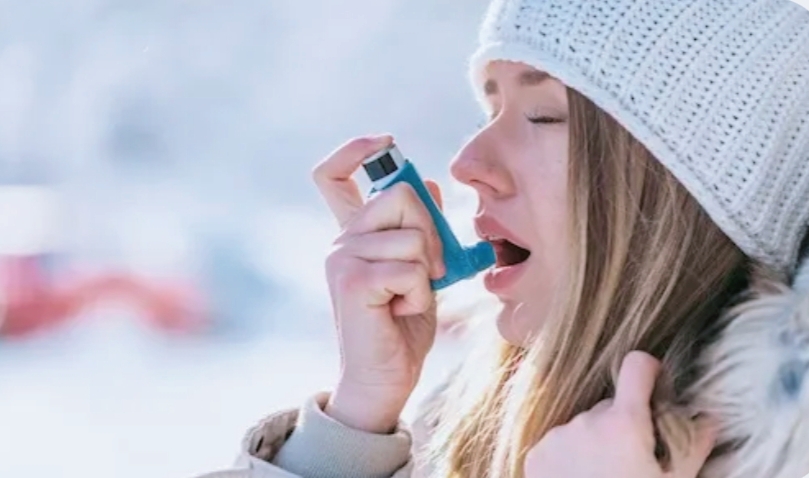
For people with asthma, winter can be difficult because the cold can cause flare-ups and make breathing uncomfortable.
To better understand this problem and learn how people who have asthma can stay safe in the cold months.
During the winter, asthma symptoms frequently worsen.
Cold air has a direct impact on sensitive airways because it can irritate them and even make them narrow more.
Plus, winter air tends to be dry, which can make respiratory irritation worse, leading to coughing and wheezing for many patients.
Lifestyle changes in winter can also up the risk.
People usually spend more time indoors, which increases their chances of catching respiratory infections.
Asthma attacks can be easily triggered by viral infections like the flu and cold, which are more common in the winter.
The lack of sunlight during winter might also lower vitamin D levels, which can impact immunity.
Sudden shifts in temperature, like moving from a warm room to the cold outside, can be really stressful for sensitive airways and can worsen asthma symptoms.
Warning Signs
1)Cold and dry air is one of the biggest triggers, often leading to coughing, chest tightness, and shortness of breath.
2)Being exposed to cold winds, respiratory infections, strong scents from air fresheners and cleaning products, and sudden temperature changes can further irritate the airways.
3)You need to seek medical help if you’re experiencing frequent wheezing, coughing, or tightness in your chest, particularly at night or in the early morning.
4)If your breathing becomes rapid, difficult, or painful, you should see a doctor right away.
5)Signs like bluish lips or nails, fever accompanied by thick mucus, extreme fatigue, difficulty speaking full sentences, or having multiple asthma attacks in a short period shouldn’t be handled at home.
How To Stay Safe
1)Wearing a scarf or mask when you’re outside can help warm the air before it gets to your lungs.
2)Asthmatics should consistently use their prescribed inhalers and keep a rescue inhaler close by.
3)It’s also important to avoid extreme cold, maintain cleanliness in indoor area.
4)Use heaters safely with good ventilation, wash hands often, get the flu shot, stay warm.
5)Eat healthily, and drink warm fluids to support lung health during the winter.
DISCLAIMER: This article is derived from information available in the public domain.It’s always a good idea to check your doctor before beginning any new routine.
- New Zealand Legend Kane Williamson Announces Retirement

- FIFA World Cup 2026: How Fans Can Watch Matches For Free

- YouTube Relaunches Private Chats With Age Verification

- The Future Of Air Travel: Why The 100ml Liquid Limit May Soon Disappear

- Rising Temperatures, Rising Tempers? The Surprising Link Between Heat And Aggression

- India’s Lost Dragonfly Returns After 110 Years

- Snapchat Introduces Safer Story Sharing For Under-16 Users

- Google Launches Gemini 3.5 Live Translate

- The New Dating Trend Everyone’s Talking About: Puffer-Fishing

- Tea, Coffee, Juice: The Worst Empty Stomach Mistakes

- Instagram Introduces Profile Grid Customization

- Skywatchers Alert: Jupiter And Venus Set For A Rare Close Encounter Tonight

- Chrome Just Downloaded a 4GB AI Model? Here’s How to Delete It

- Why Does Real Love Feel Different Than We Expect?

- The 30-Minute Parenting Secret Every Child Needs

- Remote Robotics: Control Robotic Arms From Your Smartphone

- Mumbai’s Pod Taxis: Will BKC Benefit?

- Beyond The Missing Period: Understanding MRKH Syndrome

- Why Calling Every Stomach Problem ‘Gas’ Can Be Risky?

- Poke: Apple’s First AI Agent Debuts

- AC Drying Out Your Skin? Try This Simple Fix

- Want More Fireflies? Transform Your Garden Today

- Spotify Launches Podcast Clips For Instant Highlight Saving

- The Hidden Reason Summer Causes More Headaches

- Early Iron Deficiency Symptoms You Shouldn’t Ignore

- Meta Introduces Premium ‘Plus’ Tier For Instagram, Facebook And WhatsApp

- WhatsApp Launches Channel Status For 24-Hour Admin Updates

- 5 Powerful Signs You’re With The Right Person

- Social Media: The New Smoking For Children?

- Dewy, Glossy, Sweaty: The Viral Makeup Trend Everyone’s Trying

- Luna Launches Smart AI Band For Real-Time Daily Planning

- Meta Launches New ‘Forum’ App

- Why Is Your C-Section Scar Vertical?

- Red vs Orange Heat Alerts: Which One Puts Your Body At Greater Risk?

- Does AC Sleep Weaken Your Immunity? – Myth or Fact?

- The Rise Of Nonnamaxxing

- How To Clean Mushrooms Without Turning Them Soggy?

- How Hot Nights Quietly Harm Your Sleep And Heart?

- Indian Content Creators Can Win a Free Nepal Trip — Here’s How To Apply

- Gemini Omni Flash Brings Multimodal AI Video Creation To Google

- Essential Oil Diffusers: Healthy Trend or Hidden Hazard?

- Gmail Users Alert: Your Free 15 GB Storage Could Disappear

- YouTube Introduces Likeness Detection For 18+ Users

- AI vs Human Language: Is Learning Still Worth It?

- OpenAI Unveils ChatGPT Finance Tools With Direct Bank Integration

- The Ageing Risk Of Sleeping Too Much Or Too Little

- Fitness or Future Pain? The Truth About Joint-Damaging Workouts

- Salt Water Trend: What You Need To Know First?

- X Launches History Tab For Likes, Bookmarks And Videos

- Stay Chill: Smart Gadgets For Summer

- Instagram Launches Instant For Disappearing Photos


Leave a Reply