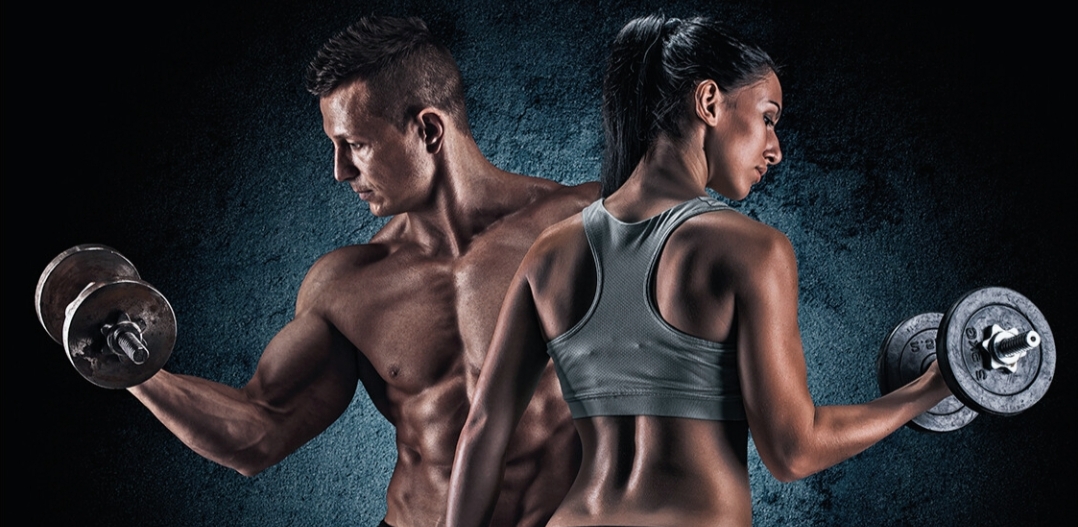
As 2026 kicks off, a lot of folks are reevaluating their fitness goals, moving past just quick weight loss or short-term workouts.
The new year is a great time to take it slow, set realistic goals, and create lasting habits.
Strength training is becoming popular as a solid way to feel stronger, move better, and keep your independence as you age.
It helps with joint health, posture, bone density, and everyday energy, making it a great option for beginners at any age.
Strength training doesn’t mean you have to lift heavy weights right from the start.
The key is to learn the right form, build consistency, and listen to your body.
Important Tips
Before you pick up any weights, get your mindset right.
Strength training isn’t about getting bulky. It’s about boosting bone strength, metabolism, posture, and overall energy levels.
It’s much simpler to maintain consistency once you understand why you’re training.
You can start right at home – your own body weight can be enough.
Try exercises like squats, step-outs, pressing against a wall, and holding a plank. Resistance bands or light weights can help too.
This is super important. Lifting heavy weights with bad form can lead to injuries, back pain, knee problems, and long-term damage.
Start with lighter weights. Get the movement right first. Once your form is solid, you can slowly increase the weights.
You don’t have to train every single day.
For beginners, 2 to 3 strength sessions a week are plenty.
Your muscles need time to recover and get stronger.
Recovery isn’t being lazy. It’s a crucial part of training.
A warm-up of 5 to 8 minutes before you exercise really helps get your body ready.
As your muscles loosen up, your range of motion increases.
This way, you can prevent injuries by warming up first.
Over time, these little habits can make a huge difference.
Choose basic movements instead of random workouts:
1)Squat (for sitting and standing strength)
2)Hinge – bending at joints like elbows or knees.
3)Push – using strength from your chest and shoulders.
4)Pull – focusing on back strength.
When your core muscles get stronger, your balance and movement naturally improve.
A strong center helps you perform daily activities effortlessly.
Every day, there’s one mistake that keeps popping up.
Start with the basics. Progress at a comfortable pace.
Achieving your goals takes time, rushing will only lead you off track.
A healthy diet lays the groundwork for good health.
You don’t need fancy supplements when starting strength training. Instead, focus on home-cooked meals rich in protein, add in some fruits and veggies, and stay hydrated.
Eating well supports recovery, energy, and overall wellness.
Most days, engaging in moderate exercise at a consistent pace is more effective than going all out in sporadic workouts.
When you lift weights regularly, you’ll notice changes happening gradually and without fuss.
Just thirty to forty minutes a few times a week can slowly transform your appearance.
It won’t stick unless you make it a habit.
A little soreness after a workout usually means you’re on the right track.
If you feel a sharp pain or something grabs at you out of nowhere, it’s time to stop and take notice.
Listen to your body and take breaks when you need to catch your breath.
If a certain move doesn’t feel right today, switch it up.
Your energy levels can unexpectedly rise, and your sleep at night can become deeper and more restful, those lingering aches will start to fade.
What you experience in your daily life often matters more than what the scale says.
Real progress comes from small, regular actions, not from trying to create the perfect conditions.
DISCLAIMER: This article is derived from information available in the public domain.It’s always a good idea to check your doctor before beginning any new routine.
- FIFA World Cup 2026: How Fans Can Watch Matches For Free

- YouTube Relaunches Private Chats With Age Verification

- The Future Of Air Travel: Why The 100ml Liquid Limit May Soon Disappear

- Rising Temperatures, Rising Tempers? The Surprising Link Between Heat And Aggression

- India’s Lost Dragonfly Returns After 110 Years

- Snapchat Introduces Safer Story Sharing For Under-16 Users

- Google Launches Gemini 3.5 Live Translate

- The New Dating Trend Everyone’s Talking About: Puffer-Fishing

- Tea, Coffee, Juice: The Worst Empty Stomach Mistakes

- Instagram Introduces Profile Grid Customization

- Skywatchers Alert: Jupiter And Venus Set For A Rare Close Encounter Tonight

- Chrome Just Downloaded a 4GB AI Model? Here’s How to Delete It

- Why Does Real Love Feel Different Than We Expect?

- The 30-Minute Parenting Secret Every Child Needs

- Remote Robotics: Control Robotic Arms From Your Smartphone

- Mumbai’s Pod Taxis: Will BKC Benefit?

- Beyond The Missing Period: Understanding MRKH Syndrome

- Why Calling Every Stomach Problem ‘Gas’ Can Be Risky?

- Poke: Apple’s First AI Agent Debuts

- AC Drying Out Your Skin? Try This Simple Fix

- Want More Fireflies? Transform Your Garden Today

- Spotify Launches Podcast Clips For Instant Highlight Saving

- The Hidden Reason Summer Causes More Headaches

- Early Iron Deficiency Symptoms You Shouldn’t Ignore

- Meta Introduces Premium ‘Plus’ Tier For Instagram, Facebook And WhatsApp

- WhatsApp Launches Channel Status For 24-Hour Admin Updates

- 5 Powerful Signs You’re With The Right Person

- Social Media: The New Smoking For Children?

- Dewy, Glossy, Sweaty: The Viral Makeup Trend Everyone’s Trying

- Luna Launches Smart AI Band For Real-Time Daily Planning

- Meta Launches New ‘Forum’ App

- Why Is Your C-Section Scar Vertical?

- Red vs Orange Heat Alerts: Which One Puts Your Body At Greater Risk?

- Does AC Sleep Weaken Your Immunity? – Myth or Fact?

- The Rise Of Nonnamaxxing

- How To Clean Mushrooms Without Turning Them Soggy?

- How Hot Nights Quietly Harm Your Sleep And Heart?

- Indian Content Creators Can Win a Free Nepal Trip — Here’s How To Apply

- Gemini Omni Flash Brings Multimodal AI Video Creation To Google

- Essential Oil Diffusers: Healthy Trend or Hidden Hazard?

- Gmail Users Alert: Your Free 15 GB Storage Could Disappear

- YouTube Introduces Likeness Detection For 18+ Users

- AI vs Human Language: Is Learning Still Worth It?

- OpenAI Unveils ChatGPT Finance Tools With Direct Bank Integration

- The Ageing Risk Of Sleeping Too Much Or Too Little

- Fitness or Future Pain? The Truth About Joint-Damaging Workouts

- Salt Water Trend: What You Need To Know First?

- X Launches History Tab For Likes, Bookmarks And Videos

- Stay Chill: Smart Gadgets For Summer

- Instagram Launches Instant For Disappearing Photos

- ChatGPT App Now Supports Codex Coding Tool


Leave a Reply