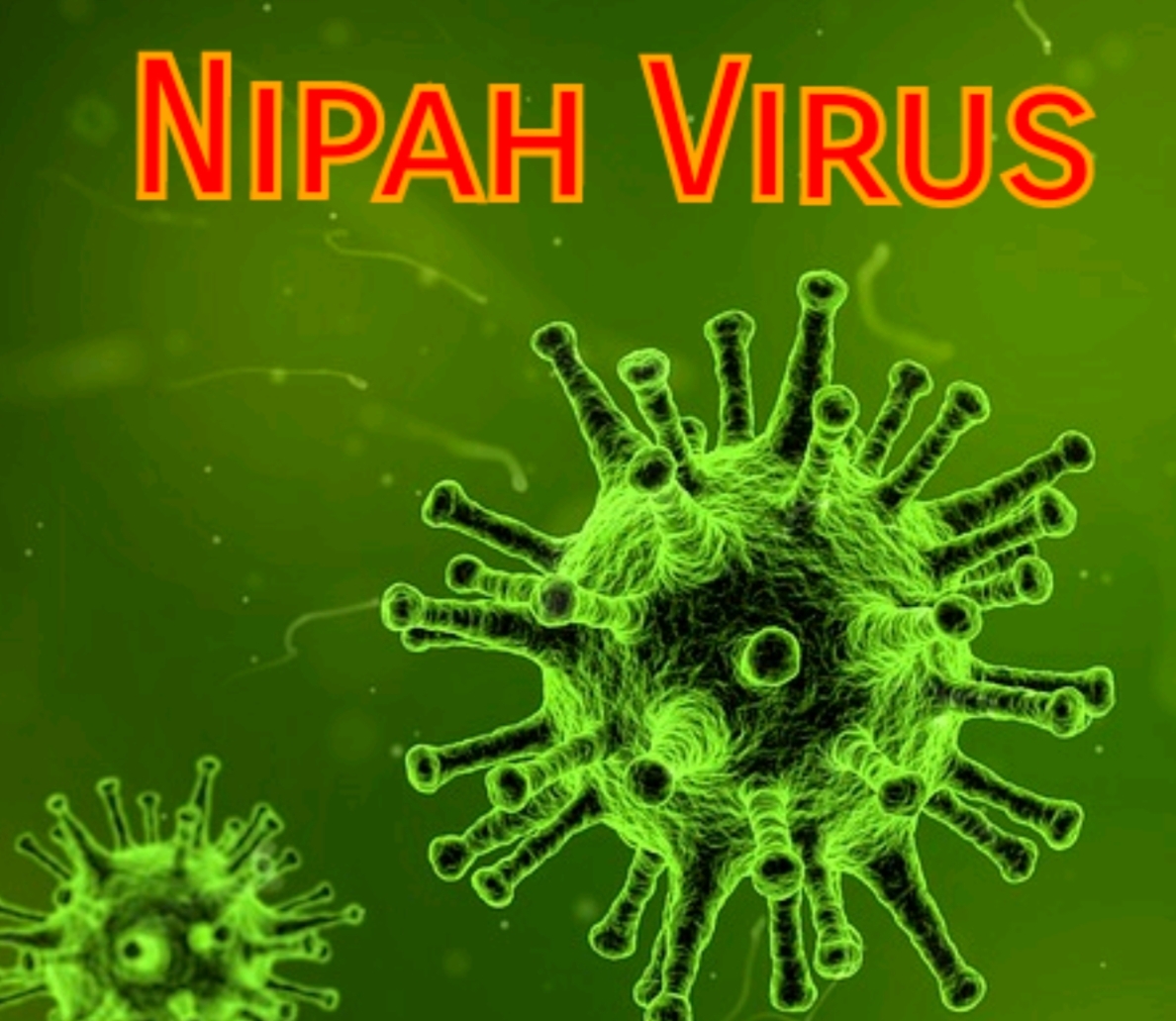
Two possible Nipah virus cases were found in West Bengal on Monday(January 12, 2026).
Nipah virus infections are a serious zoonotic disease that has a high death rate and the potential to spread quickly.
What Is Nipah Virus
Nipah is a virus that got its name from Kampung Sungai Nipah, a village in Malaysia where it was first identified in 1998-99.
The World Health Organization (WHO) states that Nipah virus infection is a zoonosis, meaning it is a disease that can be transmitted from animals to humans.
This virus is part of a genus called Henipavirus (subfamily Paramyxovirinae). The natural hosts of the virus are fruit bats from the family Pteropodidae, and pigs can also serve as intermediate hosts.
Symptoms
The Nipah virus shows symptoms that are quite like those of the flu, such as fever, muscle aches, a sore throat, and breathing issues.
In more serious situations, patients might experience respiratory distress, convulsions, and confusion due to brain inflammation.
Encephalitis may also develop later in life. An asymptomatic infection can occasionally cause a person to act as a carrier of Nipah without displaying any symptoms.
The Nipah virus is categorized as a biosecurity level (BSL) 4 agent, meaning tests need to be conducted in specialized labs to stop its spread.
Doctors diagnose it by testing blood for antibodies, using histopathology to study tissues under a microscope, or employing the Polymerase Chain Reaction (PCR) method to detect viral DNA, along with virus isolation. Confirmatory tests include the Serum Neutralization Test, ELISA, and RT-PCR.
At present, there are no vaccines available for either humans or animals.
Intensive supportive care is provided to those infected with the Nipah virus. However, patients are quarantined and receive extensive treatment in isolation.
In India, the last outbreak of the disease occurred in Kerala in August 2025.
Treatment
In 2018, when Kerala faced its first encounter with NiV (marking the first NiV outbreak in South India), the case fatality rate was a staggering 91%, mirroring global mortality rates for NiV.
Out of the 23 identified NiV cases (including 18 confirmed by lab tests) from May 2-29, 2018, only two individuals managed to survive the infection.
However, due to the state’s frequent outbreaks, large investments were made in antiviral medications and monoclonal antibody treatments.
By 2023, the mortality rate had decreased to 33%, with four out of the six identified NiV cases surviving the infection.
During the recent outbreak in 2025, the State Health Department acted swiftly to provide monoclonal antibodies and antivirals, such as Remdesivir, to the patient.
- FIFA World Cup 2026: How Fans Can Watch Matches For Free

- YouTube Relaunches Private Chats With Age Verification

- The Future Of Air Travel: Why The 100ml Liquid Limit May Soon Disappear

- Rising Temperatures, Rising Tempers? The Surprising Link Between Heat And Aggression

- India’s Lost Dragonfly Returns After 110 Years

- Snapchat Introduces Safer Story Sharing For Under-16 Users

- Google Launches Gemini 3.5 Live Translate

- The New Dating Trend Everyone’s Talking About: Puffer-Fishing

- Tea, Coffee, Juice: The Worst Empty Stomach Mistakes

- Instagram Introduces Profile Grid Customization

- Skywatchers Alert: Jupiter And Venus Set For A Rare Close Encounter Tonight


Leave a Reply