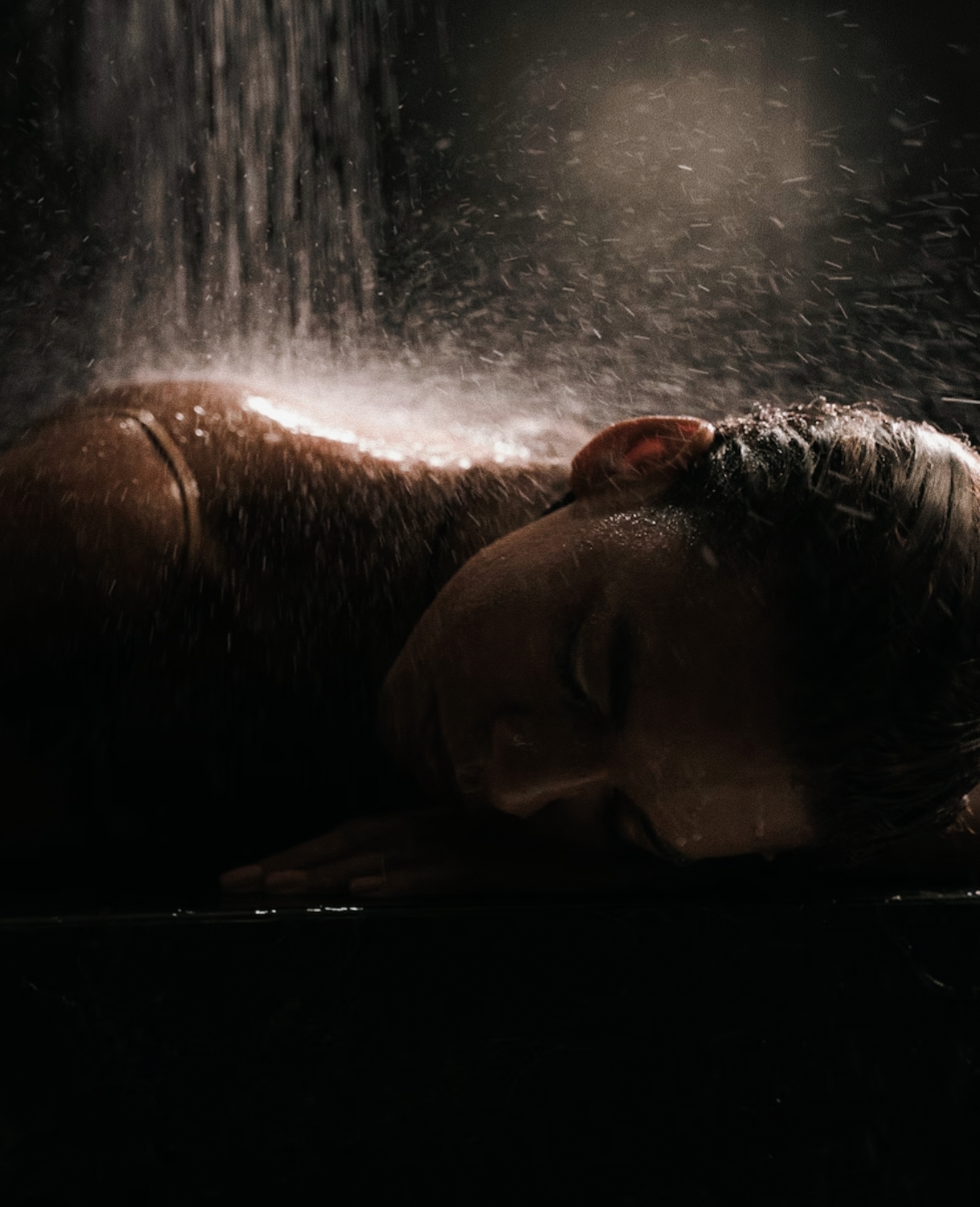
One of the newest trends making waves online is “dark showering”, which involves showering in low light or total darkness to help your body and mind relax.
In simple terms, it’s not just about turning off the lights.
Dark showering acts as a sensory reset, removing visual distractions so you can focus on the warmth of the water, the fragrance of the soap, and the rhythm of your breathing.
Showering in the dark or in dim light can promote relaxation through a mindful experience, which can assist in winding down and turning off before bed, making it easier for some people to fall asleep.
Taking a shower in low light can signal to the body that it’s time for sleep since dim light triggers the release of melatonin, a key sleep hormone.
This raises some interesting questions about how this practice can be applied to everyday life, especially for people who struggle with sleep hygiene or managing stress.
Melatonin is the hormone that regulates our sleep-wake cycle, and its production is heavily affected by light exposure.
Bright light, especially from bulbs and screens, inhibits melatonin production, while darkness promotes it.
Showering in the dark minimizes exposure to artificial light before bed, signaling the brain to boost melatonin release.
One dark shower might not instantly change your sleep, making it a regular part of a soothing bedtime routine that can enhance sleep quality over time by helping your body transition more smoothly into rest mode.
This change in sensory experience can help soothe the nervous system, calm racing thoughts, and offer a meditative vibe.
For those struggling with anxiety, such mindful activities can lead to a deeper relaxation compared to a regular shower with bright lights.ark showering is generally safe for healthy people, but it might not be for everyone. Those with balance issues, vertigo, or vision impairments could be at a greater risk of slipping or falling in low light.
Dark showering is generally safe for healthy people, but it might not be for everyone.
Those with balance issues, vertigo, or vision impairments could be at a greater risk of slipping or falling in low light.
Using a soft night light instead of complete darkness can ensure safety while still keeping light exposure minimal.
In the end, dark showering can be a beneficial relaxation technique.
DISCLAIMER: This article is derived from information available in the public domain.It’s always a good idea to check your doctor before beginning any new routine.
- Google AI Mode Unveils Search Agents That Track The Web In Real Time

- Why Tamil Nadu’s Kirti Chakra Hero Became a National Inspiration?

- Tejas Shirse Sets New 110m Hurdles National Record

- The Beauty Of Change: Eighteen Lessons From Life

- 3 Days To A Morning Person: Fact or Fantasy?

- New Zealand Legend Kane Williamson Announces Retirement

- FIFA World Cup 2026: How Fans Can Watch Matches For Free

- YouTube Relaunches Private Chats With Age Verification

- The Future Of Air Travel: Why The 100ml Liquid Limit May Soon Disappear

- Rising Temperatures, Rising Tempers? The Surprising Link Between Heat And Aggression

- India’s Lost Dragonfly Returns After 110 Years


Leave a Reply