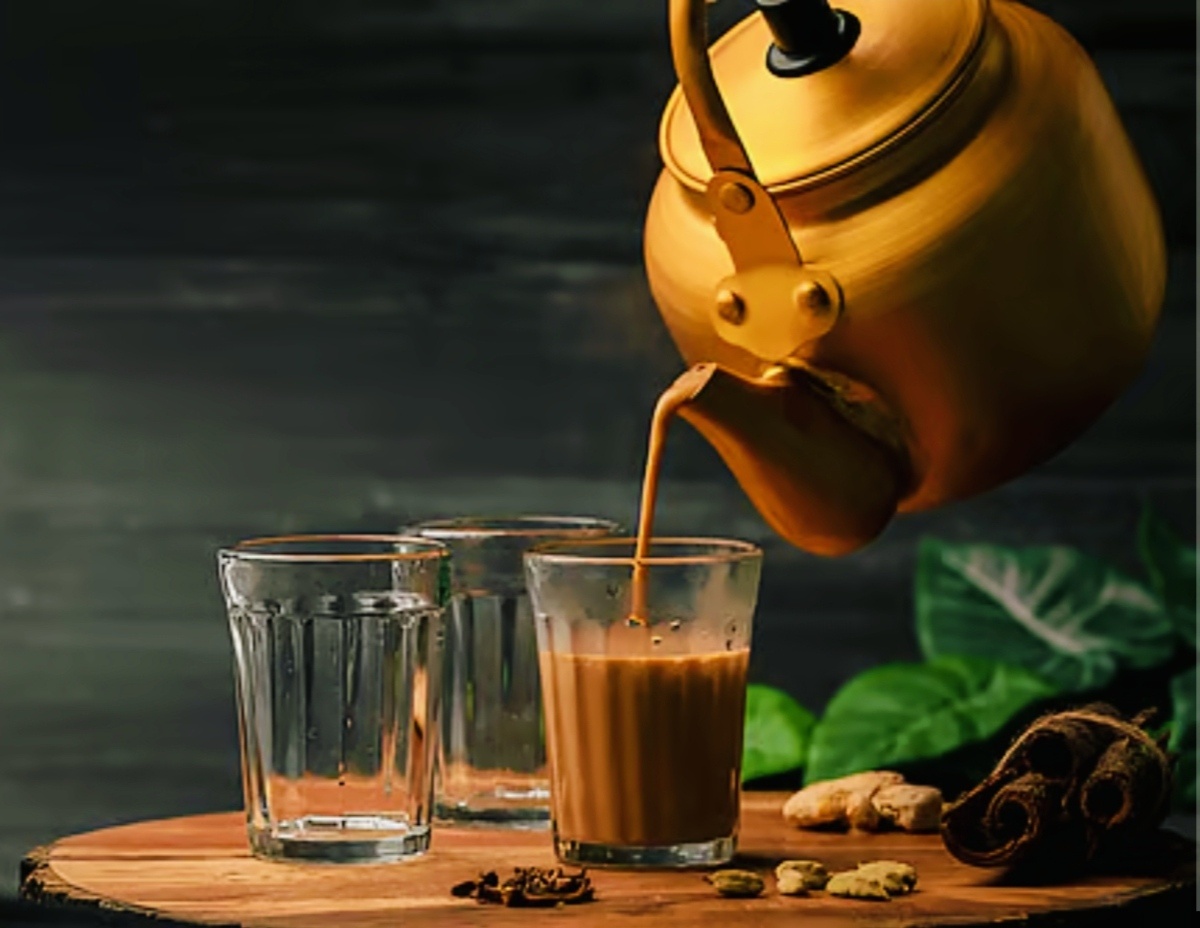
Many people simply cannot begin their day without a hot cup of tea.
However, when this daily habit happens on an empty stomach, it can slowly mess with digestion, acid levels, and even your energy.
The effects might not be noticeable right away, but after a month, your body starts to react.
Having tea on an empty stomach can affect digestion, metabolism, and gut comfort.
Without food, this stimulation can hit hard, leading to more gastric acid production.
One of the first things people might notice is acidity.
Also Read | What Really Happens When You Ditch Dairy
When you drink tea first thing in the morning, the acid has nothing to work on because tea naturally increases the production of acid.
Drinking tea on an empty stomach for a long time can irritate the stomach lining because tannins boost acid production.
This irritation can show up as a burning sensation in the chest, nausea, bloating, or a heavy feeling in the upper abdomen.
For those who already have issues with reflux or gastritis, these symptoms might become more common.
For some people, the milk in tea slows down digestion, resulting in gas or a heavy feeling.
Some refer to tea as a “kickstart” for digestion; over time, repeated stimulation without food can increase gut sensitivity.
Skipping breakfast for tea might dull your natural hunger cues, which can lead to inconsistent eating habits.
If you add sugar, your blood sugar could rise and fall rapidly, resulting in cravings and tiredness by mid-morning.
Tea contains tannins that can make it more difficult for the body to absorb iron, especially when drunk on an empty stomach. This may become more important over time for people who are already at risk for low iron levels.
DISCLAIMER: This article is derived from information available in the public domain.It’s always a good idea to check your doctor before beginning any new routine.
- New Zealand Legend Kane Williamson Announces Retirement

- FIFA World Cup 2026: How Fans Can Watch Matches For Free

- YouTube Relaunches Private Chats With Age Verification

- The Future Of Air Travel: Why The 100ml Liquid Limit May Soon Disappear

- Rising Temperatures, Rising Tempers? The Surprising Link Between Heat And Aggression


Leave a Reply