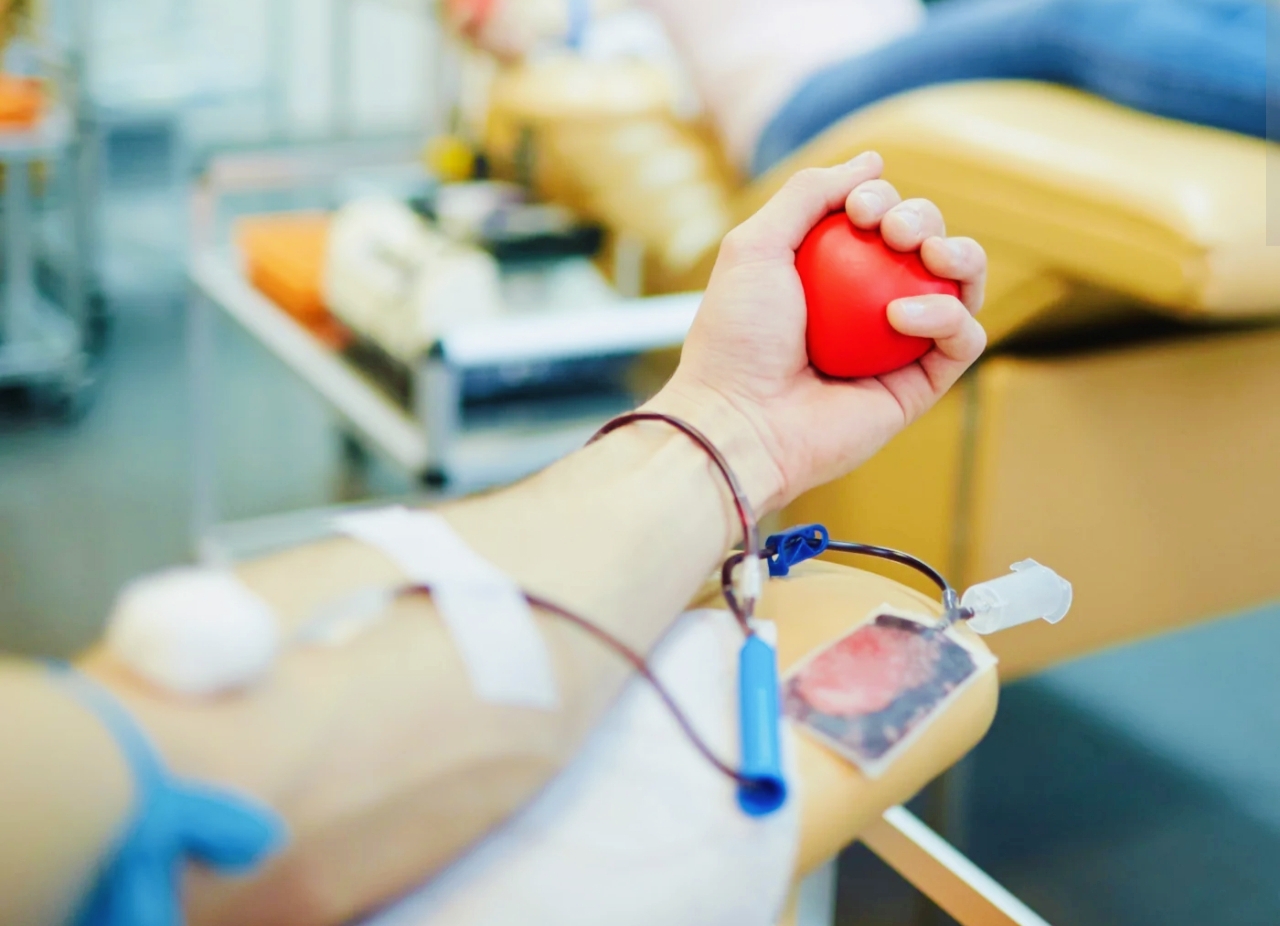
Donating blood helps save millions of lives every year.
It’s essential during surgeries, accidents, or for medical issues that need certain blood components.
A lot of people have doubts about it, and many first-time donors often feel nervous. But the process is safe, and your body starts to adapt almost right away.
What happens in the body in the first 24 hours after donating blood?
Blood donation is an amazing example of how fast the body can adjust. Within hours, your body starts to replace the fluids and cells you’ve lost, and most healthy donors feel back to normal within a day.
Some donors might feel a bit tired or lightheaded at first, these feelings usually go away quickly if you stay hydrated, eat well, and get some rest.
Plasma, the liquid part of blood, gets restored the fastest – usually within 24 hours.
Fluids from nearby tissues flow into the bloodstream to bring back blood volume and keep circulation and blood pressure steady.The lymphatic system also helps by returning stored fluids and proteins to the blood.
The brain stimulates thirst, encouraging fluid intake, and the kidneys preserve water.Vascular volume is maintained by the liver’s gradual restoration of plasma proteins like albumin, which takes a little more than 24 hours to completely replenish.
While plasma bounces back quickly, red blood cells take a few weeks to rebuild.
Platelets and white blood cells react faster – the bone marrow starts making new cells right away, with most returning to normal levels within days to a week.
This is why donors can safely get back to their usual activities shortly after donating.
Some donors might feel lightheaded or dizzy, partly because of a temporary drop in blood volume and vasovagal reflexes.
During a vasovagal reaction, the vagus nerve can slow down the heart rate and widen blood vessels, which temporarily reduces blood flow to the brain.
Young adults, first-time donors, or those with a smaller body size are more at risk.
Other factors include dehydration, missed meals, lack of sleep, and naturally low blood pressure. Simple steps – drinking water, having a light meal, and resting. It usually help prevent serious symptoms.
In the first 24 hours, plasma volume is restored, platelets and white blood cells start normalizing, and hormonal mechanisms keep circulation and fluid balance in check.
Over the next days and weeks, red blood cells gradually rebuild, supported by iron-rich foods and good nutrition.
DISCLAIMER: This article is derived from information available in the public domain.It’s always a good idea to check your doctor before beginning any new routine.
Top News
- FIFA World Cup 2026: How Fans Can Watch Matches For Free

- YouTube Relaunches Private Chats With Age Verification

- The Future Of Air Travel: Why The 100ml Liquid Limit May Soon Disappear

- Rising Temperatures, Rising Tempers? The Surprising Link Between Heat And Aggression

- India’s Lost Dragonfly Returns After 110 Years


Leave a Reply