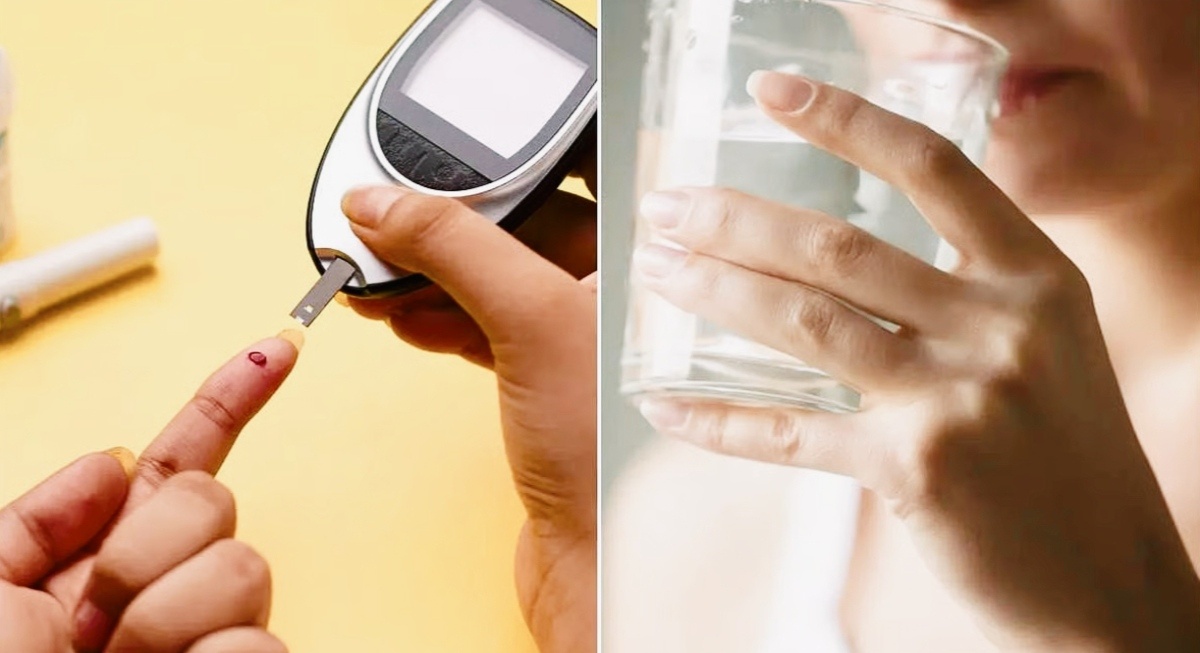
Can drinking water really affect your blood sugar? But how much does water really influence blood sugar control?
Staying properly hydrated plays an important role in keeping glucose levels stable—especially for people with diabetes or insulin resistance.
Water has no calories or carbs, so it doesn’t raise blood sugar. Instead, staying hydrated helps your body use glucose better and supports healthy insulin function.
It’s important to mention that when you’re dehydrated, your blood has less fluid, so glucose levels can appear higher.
Dehydration doesn’t directly cause high blood sugar, but it can affect readings and make blood sugar harder to manage.
Dehydration can lead to higher blood sugar readings because it decreases the water content in your blood, concentrating the glucose, similar to how using less milk in your tea makes it stronger.
Staying hydrated helps your kidneys remove extra sugar and supports better blood sugar control. It may slightly help insulin resistance, but just drinking water won’t resolve issues related to a poor diet or lack of exercise.


It’s worth noting that water doesn’t lower blood sugar like medication; insufficient water intake or drinking it at inappropriate times can affect how glucose behaves in the body, especially for people with diabetes.
Additionally, many individuals experience increased hunger or cravings for sweet foods when mildly dehydrated.
Sometimes, the body confuses thirst with hunger, leading to unnecessary snacking and a potential spike in blood glucose after meals.
Regularly drinking water throughout the day can help regulate appetite and reduce these false hunger cues.
If you have diabetes or are keeping a close eye on your glucose, combining good hydration with balanced meals, protein, fiber, and moderate activity will yield the best results for stable blood sugar throughout the day.
Even though water itself doesn’t increase blood sugar, being well-hydrated helps the body manage glucose levels and maintains metabolic balance.
It’s a straightforward habit that can significantly impact overall health. strategy for controlling glucose?
Taking small, regular sips helps keep blood volume steady and boosts insulin sensitivity.
Meal-Time Hydration Secrets
Drinking one to two glasses of water before meals can help with digestion without causing any disruption.
Room-temperature or warm water is generally easier on the stomach than cold water, which might slow down digestion for some folks.
After eating, it’s advisable to hold off on drinking a lot of water for about 30 to 40 minutes.
DISCLAIMER: This article is derived from information available in the public domain.It’s always a good idea to check your doctor before beginning any new routine.


Leave a Reply