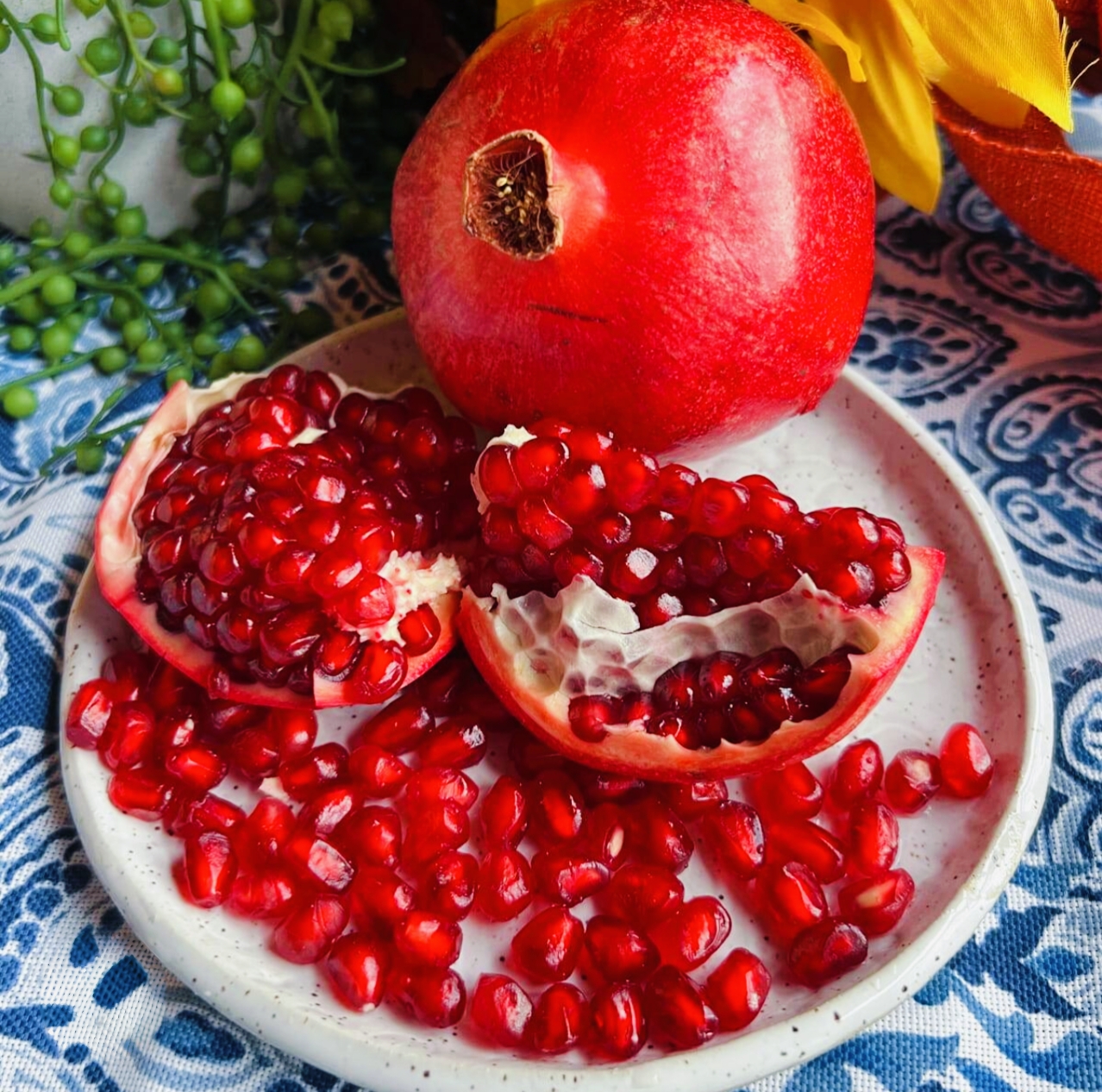
Can a simple fruit like pomegranate really boost midlife health with its powerful antioxidants and hormone-friendly benefits?
Pomegranate, also known as anaar, is a hormone-friendly superfruit. It may be one of the most powerful fruits for women in midlife.
This fruit is rich in antioxidants and plant compounds. It supports hormonal balance and helps reduce inflammation. These factors influence energy, mood, and overall well-being during midlife.
Beyond hormone support, pomegranate also protects the body at a cellular level. Its rich antioxidants protect cells from oxidative stress linked to aging and many chronic diseases.
At the same time, the fruit supports the body in producing compounds associated with longevity and healthy aging.
Midlife marks a significant turning point in a woman’s journey, bringing a range of physical and emotional changes.
During this stage, many women experience hormonal fluctuations, shifts in energy levels, and the gradual emergence of health concerns such as reduced bone density, heart-related issues, and visible signs of skin aging.
These changes are a natural part of the aging process, but they can affect overall well-being and quality of life.
Adopting healthy lifestyle habits—such as regular exercise, proper sleep, and effective stress management—can help women navigate this phase more comfortably and maintain long-term health.
Nutrition also plays a powerful role in supporting the body during midlife. Eating nutrient-rich foods can help balance hormones, strengthen bones, and protect the heart.
Among the many fruits that offer health benefits, pomegranate stands out as a true nutritional powerhouse.
Regularly drinking pomegranate juice or munching on fresh seeds might also help lower blood pressure and reduce inflammation, both of which are key to maintaining a healthy heart.
Aids In Hormonal Balance
Hormonal changes are among the most prominent challenges women encounter during midlife, especially during perimenopause and menopause.
Pomegranates are rich in plant compounds called phytoestrogens, which can imitate some of estrogen’s effects in the body. These compounds might assist in maintaining hormonal balance and alleviating certain menopause-related symptoms like mood swings and tiredness.
Pomegranate extracts might assist in balancing estrogen levels and reducing menopausal symptoms like hot flashes and sweating.
In simple terms, pomegranate is much more than a tasty snack. It’s a natural wellness booster that supports hormonal health and long-term vitality.
Often, the most powerful health tools sit right in our kitchens—not in supplements or complicated routines.
Your gut microbiome converts compounds from pomegranates into urolithin A. This molecule supports cellular repair and healthy aging. This process helps the body maintain stronger cells and better overall resilience as we grow older.
Supports Bone Strength In Midlife
During midlife, bone density often decreases due to hormonal shifts, which can heighten the risk of osteoporosis. Pomegranates have elements that aid bone health by minimizing inflammation and encouraging bone mineral density.
Certain bioactive compounds found in pomegranates could strengthen bones and reduce bone loss associated with menopause.
Adding pomegranates to a balanced diet, particularly alongside calcium-rich foods, can really aid in strengthening bones and promoting overall skeletal health.
These antioxidants also assist in reducing inflammation in the body, potentially alleviating joint pain and enhancing mobility for women in midlife. By shielding cells from oxidative damage, pomegranates play a role in promoting longevity and better health.
The antioxidants in this fruit protect brain cells from oxidative stress and could enhance memory and mental clarity.
Including pomegranate in a daily diet may thus help sustain sharper thinking and improved focus during hormonal changes.
Another advantage of pomegranates is their effect on skin health.
As women grow older, collagen production declines, resulting in wrinkles and reduced skin elasticity. Pomegranates are abundant in vitamin C and antioxidants that help shield skin cells and encourage collagen production.
Regularly eating pomegranates may enhance skin hydration, protect against environmental harm, and foster a healthier, more youthful appearance.
Midlife often comes with a slower metabolism and weight gain.
Pomegranates are a good source of dietary fiber that aids digestion and gut health while helping to keep blood sugar levels stable. Fiber also helps women feel satisfied longer, making weight management easier.
The Antioxidant Power of Pomegranate
Pomegranates contain powerful antioxidants like punicalagins and anthocyanins. These compounds protect cells from free radical damage and oxidative stress.
These substances are key in slowing down cellular aging and minimizing inflammation in the body.
This protection is especially important for women in midlife. Oxidative stress contributes to aging and many chronic diseases.
Pomegranates are also rich in polyphenols—powerful antioxidants that help reduce inflammation and protect cells from damage. These compounds help the body fight oxidative stress that contributes to aging and several chronic diseases.
Packed with essential nutrients like vitamins C and K, potassium, and dietary fiber, pomegranates are essential for our diet.
Pomegranates are low in calories. They make a satisfying snack and support healthy weight management.
Start your day with a bowl of fresh pomegranate. Its rich fiber content supports smooth digestion and helps prevent constipation.
Pomegranate fiber supports a healthy gut. It reduces inflammation and improves digestion. This may benefit people with conditions like Irritable Bowel Syndrome and Crohn’s Disease.
The anthocyanins in pomegranates help neutralize free radicals, lowering oxidative stress and inflammation in the body. Their anti-inflammatory properties may also help ease inflammatory conditions such as arthritis.
Pomegranates aren’t just delicious—they’re a fantastic friend for women going through midlife changes. They help with hormonal balance, heart health, and even boost your skin, bones, and brain function. This colorful fruit packs a punch with its many benefits.
Incorporating pomegranates into your diet regularly can help you nourish your body naturally, promoting a healthier and more vibrant life during midlife and beyond.
Who Should Avoid It
Pomegranate is usually safe and healthy, but some folks need to be careful with it.
If you’re on blood pressure or blood thinning meds, it’s a good idea to check with your doctor before munching on a lot of it, since pomegranate can boost the effects of those medications.
If you’re allergic to certain fruits, you might have rare allergic reactions like itching or swelling.Plus, if you have a sensitive stomach or digestive problems, it’s best to steer clear of eating too much, as its natural acidity could lead to discomfort.
Remember, moderation is important, and anyone with health issues should get medical advice before making big changes to their diet.
DISCLAIMER: This article is derived from information available in the public domain.It’s always a good idea to check your doctor before beginning any new routine.
Top News
- The Future Of Air Travel: Why The 100ml Liquid Limit May Soon Disappear

- Rising Temperatures, Rising Tempers? The Surprising Link Between Heat And Aggression

- India’s Lost Dragonfly Returns After 110 Years

- Snapchat Introduces Safer Story Sharing For Under-16 Users

- Google Launches Gemini 3.5 Live Translate


Leave a Reply