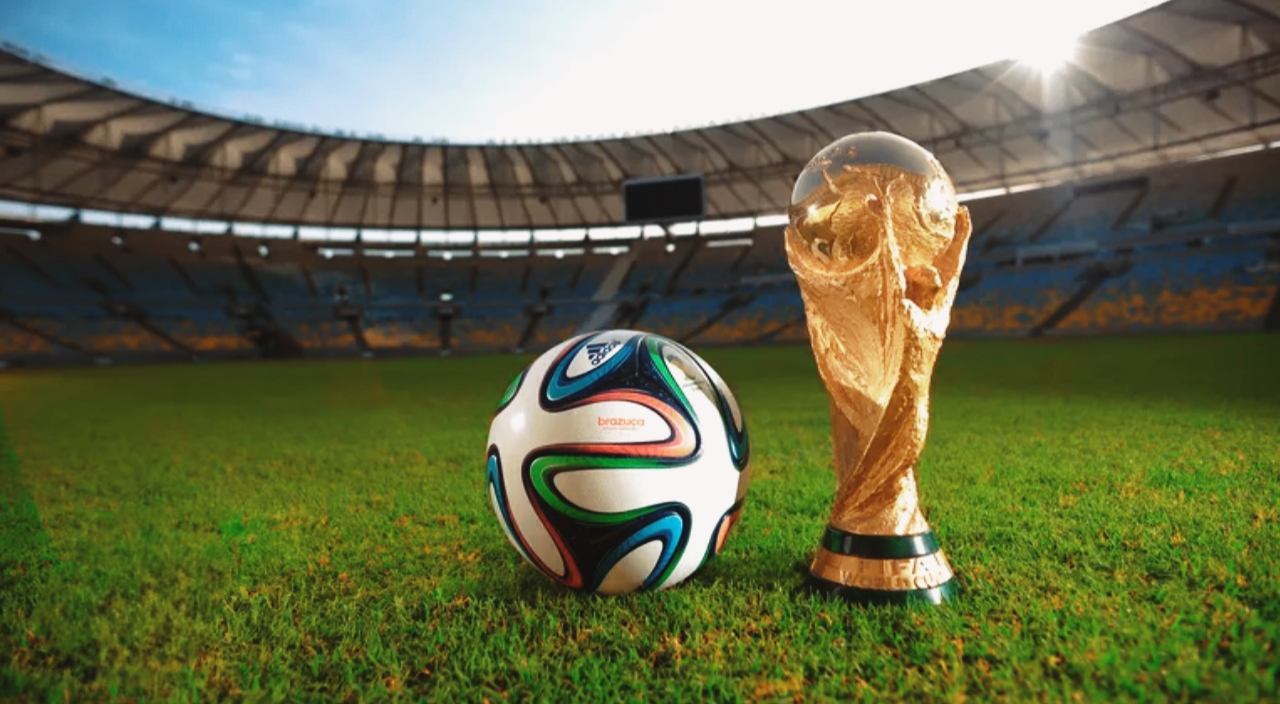
The FIFA World Cup 2026 is shaping up to become one of the most exciting global sporting events, and this time, viewing experiences are evolving rapidly.
With digital platforms becoming the main focus, fans aren’t just stuck with regular TV broadcasts anymore.
One of the biggest talking points is the possibility of free streaming options—such as YouTube offering the first 10 minutes of matches at no cost.
This change marks a big transformation in how football content is shared and enjoyed around the globe.
YouTube has long served as a major hub for sports content, and FIFA has now recognized it as a “preferred platform” for the 2026 World Cup, marking a significant step toward digital-first streaming.
Through this collaboration, FIFA and YouTube aim to attract younger audiences by letting fans watch the opening minutes on YouTube before moving to traditional TV broadcasts.
FIFA also confirmed that media partners can stream select matches in full on their channels, share extended highlights, post behind-the-scenes clips, create Shorts, and upload video-on-demand content on YouTube.
From TV to Mobile: The Viewing Evolution
For many years, catching the World Cup meant you had to tune into cable or satellite TV through licensed broadcasters.
These networks would shell out huge sums for exclusive rights, and viewers often had to subscribe to watch the matches. While this traditional model is still around, the emergence of streaming platforms is starting to change the game.
Today’s fans expect flexibility. They want to watch matches on phones, laptops, or smart TVs—anytime and anywhere. This shift has prompted organizations and broadcasters to look for more accessible and engaging ways to connect with audiences.
Also Read | FIFA World Cup: Qualified Team 2026
One of the most interesting developments is YouTube’s involvement.
By streaming the first 10 minutes of FIFA World Cup 2026 matches for free, YouTube gives fans a preview of the action without requiring a subscription.
The Strategy Behind It
1)Easier access for casual viewers: Free opening minutes attract fans who may not initially plan to watch full matches.
2)Boosts advertising & sponsorship: The opening minutes are thrilling, attracting a large audience and valuable brand exposure.
3)Supports streaming costs: Advertising revenue helps offset expenses for streaming rights and production.
4)Limited free access: YouTube offers partial free streaming, but full matches are mainly through official broadcasters.
5)Regional broadcasting varies: Platforms like JioCinema, Disney+ Hotstar, or local networks may hold rights depending on the country.
6)Official details pending: Confirmed broadcasting partners will be announced closer to the tournament.
7)Social media platforms are expected to play a major role, sharing clips, goals, and key moments almost instantly.
8)This approach gives fans multiple ways to follow the tournament, even if they can’t watch full matches live.
By combining YouTube, broadcasters, and social media, the 2026 World Cup ensures everyone can stay connected to the action.
Another important aspect to consider is accessibility.
The 2026 World Cup will take place across the United States, Canada, and Mexico, making it the first tournament to feature 48 teams.
With more matches than ever before, the demand for flexible viewing options will be higher than ever.
Free streaming initiatives can bridge accessibility gaps in regions where paid subscriptions remain limited, helping the tournament reach a broader global audience.
World Cup 2026: Game On
The FIFA World Cup 2026 kicks off at Mexico City Stadium with Mexico facing South Africa in Group A.
The expanded 48-team FIFA World Cup 2026 will run from June 11 to July 19 across the United States, Mexico, and Canada, delivering a larger global stage with more accessible viewing options.
Don’t Fall For Streaming Scams
It’s important to be cautious when searching for free streaming options online. Not all websites claiming to offer free World Cup streams are legitimate.
Many unauthorized streams can be unreliable, low-quality, or even risky from a cybersecurity perspective.
Fans should always rely on official platforms and verified broadcasters to ensure a safe and high-quality viewing experience.
The decision to offer even partial free streaming reflects a broader trend in sports media.
Organizations like FIFA are increasingly recognizing the importance of digital engagement, especially among younger audiences.
Platforms like YouTube already play a central role in millions of daily lives, making them ideal for boosting reach and engagement.
By combining traditional broadcasting with digital innovation, FIFA is positioning the 2026 World Cup as a modern and globally accessible event.
The question of where to watch FIFA World Cup 2026 for free is evolving. While full matches will mostly remain with licensed broadcasters, YouTube’s free first 10 minutes offer fans an exciting preview.
This hybrid approach—blending free access with premium content—gives casual viewers a preview while delivering full coverage for dedicated fans.
As the tournament approaches, more details will surface. One thing is certain: watching the World Cup is becoming more flexible, engaging, and accessible than ever before.


Leave a Reply