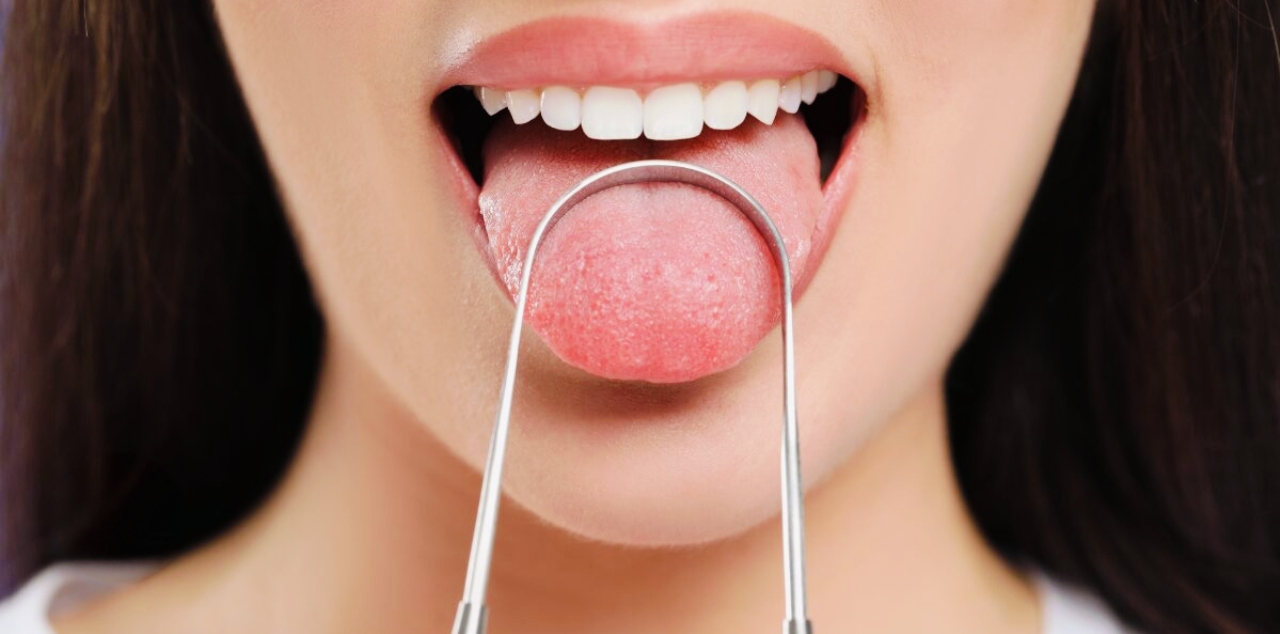
What’s actually building up on your tongue every day, and how much can it affect your taste, breath, and overall health?
Most people focus on brushing and flossing, but often ignore cleaning the tongue—an essential part of oral hygiene.
The tongue’s rough surface easily traps food particles, bacteria, and dead cells, creating a coating that can quickly build up if not cleaned.
Even within days, this buildup can start affecting freshness in the mouth.
If you skip tongue cleaning for a month, the accumulated bacteria can lead to persistent bad breath, a thick coated tongue, and even a reduced sense of taste.
Over time, this not only makes your mouth feel unclean but can also impact overall oral health.
The Role Of The Tongue In Oral Health
Your tongue plays a key role in oral health, yet it’s often overlooked in daily hygiene routines.
Many people don’t realize how important regular tongue cleaning is.
The tongue is covered with tiny bumps called papillae, which help in tasting and chewing food.
These papillae also create small spaces where food particles, bacteria, and dead cells can accumulate.
Over time, this buildup can form a coating on the tongue, often appearing white or yellowish.
Also Read | How Daily Habits Impact Your Foot Health
Skip it for a month, and you’ll start noticing subtle changes—especially in freshness and overall mouth feel.
Unlike the smooth surfaces of teeth, the tongue’s rough texture makes it an ideal environment for bacteria to thrive. Without regular cleaning, this bacteria multiplies quickly, affecting not just your tongue but your entire mouth.
Week 1: Early Buildup Begins
Within just a few days of skipping tongue cleaning, buildup begins quietly—bacteria and debris start collecting, forming a thin coating on the tongue even before you notice any major changes.
By the end of the first week, you might experience:
- Slight bad breath (halitosis)
- A mild coating on the tongue
- A less fresh feeling in your mouth
These changes are subtle but indicate that bacteria levels are increasing.
Week 2: Visible Buildup
By week two, buildup becomes noticeable—the coating thickens, and bad breath grows stronger, even with regular brushing.
At this stage, you may experience:
- Persistent bad breath
- A thicker white or yellow coating on the tongue
- A slightly altered sense of taste
Tongue bacteria release sulfur compounds that cause bad breath.
Week 3: Taste Dullness
By week three, tongue buildup dulls taste by blocking taste buds, making food less flavorful.
Other possible effects include:
- Dull or reduced sense of taste
- Dry mouth feeling
- Increased bacterial activity
Tongue buildup can cause roughness and discomfort.
Week 4: Severe Buildup
After a month, tongue coating thickens and bacteria peak, causing serious oral issues.
Common effects include:
- Strong, persistent bad breath
- Heavy tongue coating
- Noticeable discoloration (white, yellow, or even brown)
- Higher risk of gum irritation or infection
The tongue can harbor harmful bacteria, affecting teeth and gums.
Tongue Neglect: Hidden Risk
Neglecting tongue hygiene allows bacteria to accumulate, increasing the risk of mouth infections.
The tongue’s papillae trap food, dead cells, and microbes, creating a hotspot for bacterial growth if not cleaned regularly.
These bacteria can spread to teeth and gums, causing irritation, cavities, gum disease, and even fungal infections like oral thrush in vulnerable individuals.
Skipping tongue cleaning can disrupt saliva balance, leading to dryness and discomfort.
Neglecting this simple step may seem harmless, but it gradually allows bacteria to multiply.
Over time, this increases the risk of oral infections and other complications.
Those with weak immunity or dental issues face greater risks.
Proper Tongue Cleaning
Tongue care is quick and easy, taking just seconds daily.
Here are some effective methods:
- Use a tongue scraper: Gently scrape from the back of the tongue to the front.
- Use your toothbrush: Brush your tongue lightly after brushing your teeth.
- Rinse thoroughly: Use water or mouthwash to remove loosened debris.
It’s best to clean your tongue at least once a day, preferably in the morning.Regular cleaning controls bacterial buildup and reduces bad breath.
It also prevents coating on the tongue, keeping your mouth fresh and healthy.
Regular cleaning controls bacterial buildup and reduces bad breath.
It also prevents coating on the tongue, keeping your mouth fresh and healthy.
Benefits Of Regular Tongue Cleaning
- Fresher breath
- Improved taste sensation
- Reduced bacterial load in the mouth
- Better overall oral hygiene
- Tongue cleaning instantly leaves your mouth feeling fresher.
Skipping tongue cleaning for a month lets bacteria and debris build up gradually.
This can cause bad breath, dull taste, and higher oral health risks, showing why tongue care is essential.
Adding tongue cleaning to your daily routine is a simple step that can make a big difference.
Just a few seconds each day can keep your mouth cleaner, fresher, and healthier over time. Are you giving your tongue the care it deserves?
DISCLAIMER: This article is derived from information available in the public domain.It’s always a good idea to check your doctor before beginning any new routine.


Leave a Reply