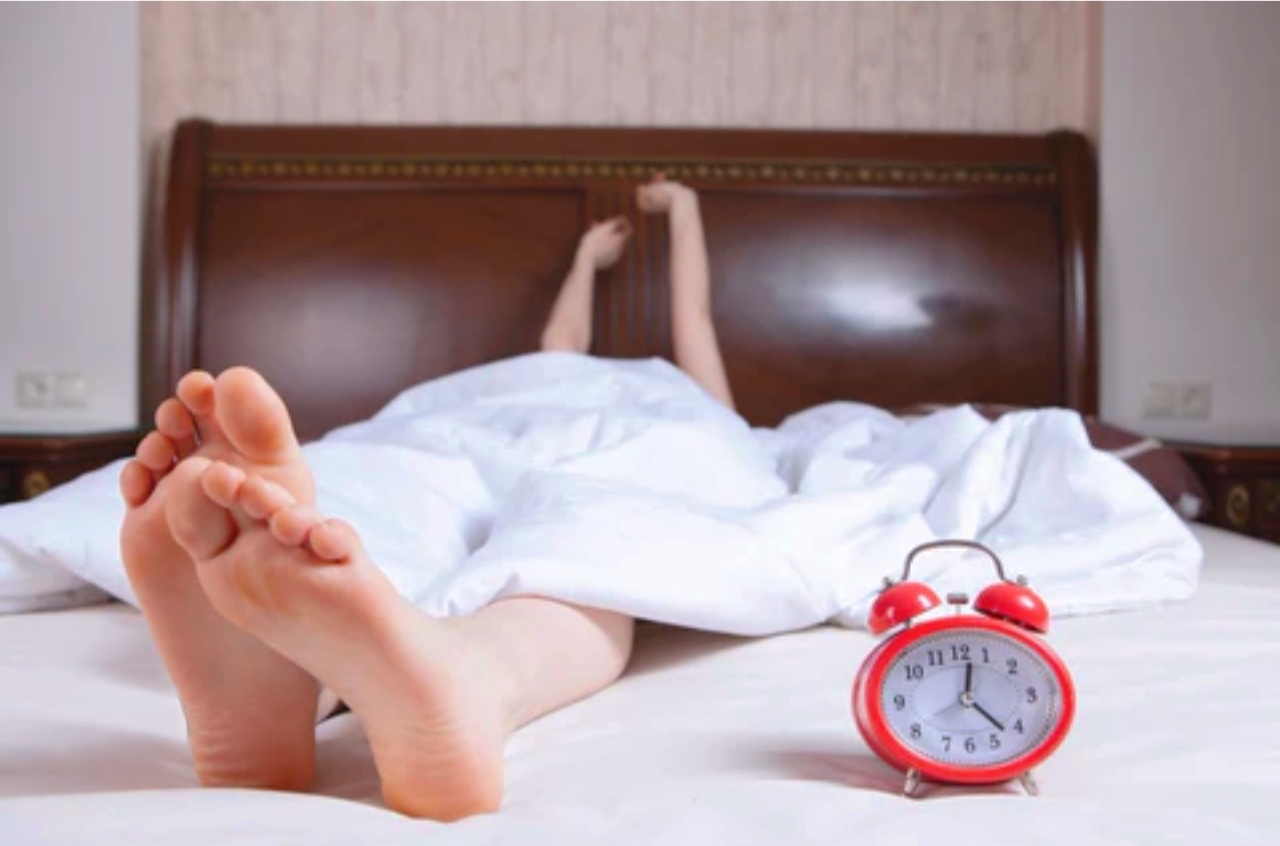
What you do in the last 30 minutes before bed might matter more than everything you did all day. Ready to rethink your bedtime routine?
For many people, making the bed first thing in the morning feels like a small win—a sign of discipline and a fresh start. But this tidy habit may not be as healthy as it seems.
While you sleep, your body releases heat, sweat, and moisture into your sheets and mattress. By morning, your bed is slightly damp, even if it doesn’t feel that way.
Making the bed immediately traps that moisture inside, locking in warmth and humidity, and that’s exactly the kind of environment dust mites love.
Let Your Bed Breathe
Dust mites feed on dead skin cells and thrive in damp conditions. A freshly made bed right after waking can turn into the perfect breeding ground for them.
Over time, this buildup can trigger allergies, worsen breathing issues, and quietly affect your sleep quality.
Instead, give your bed some time to air out before making it.
A simple delay can help reduce moisture, keep dust mites in check, and make your bed a genuinely healthier place to rest.
Instead of making your bed the moment you wake up, try leaving it undone for a while. It may look messy, but it’s a smarter move for your sleep health.
When you get out of bed, your sheets and mattress still hold onto heat and moisture from the night. Covering it up right away traps all of that inside.
Let It Air, Let It Work
Giving your bed time to breathe allows that trapped warmth to escape and moisture to dry out naturally.
This simple pause makes your sleep space far less inviting for dust mites.
With less humidity, your sheets stay fresher, your mattress stays drier, and your overall sleep environment becomes cleaner over time.
Dust mites are common in most homes—but their growth thrives on warmth and moisture. Cut those off, and you quietly upgrade your bed into a healthier place to rest.
Let Freshness
Making your bed immediately after waking up can trap moisture from sweat and body heat. This creates an ideal environment for dust mites to thrive.
For people with allergies or sensitive skin, this can worsen symptoms like sneezing, congestion, and irritation.
A simple delay can make a noticeable difference.
Instead of rushing, start by pulling back your blankets and sheets. This helps release trapped moisture and allows airflow to reach the mattress.
Next, bring in natural light by opening curtains or windows.
Sunlight helps reduce dampness and makes the space less inviting for mites.
Give your bed about 20-30 minutes to properly air out. This short wait allows moisture to evaporate and the fabric to dry.
Once everything feels fresh and dry, go ahead and make your bed.
This small habit shift can support a cleaner, healthier sleeping environment.
Regularly wash your sheets—ideally once a week—helps remove sweat, oils, and allergens that build up over time.
Clean bedding creates a fresher, more comfortable sleep environment and can significantly improve sleep quality.
Small hygiene habits make a big difference in your rest. Is your bedding helping—or holding you back?
DISCLAIMER: This article is derived from information available in the public domain.It’s always a good idea to check your doctor before beginning any new routine.
Top News
- FIFA World Cup 2026: How Fans Can Watch Matches For Free

- YouTube Relaunches Private Chats With Age Verification

- The Future Of Air Travel: Why The 100ml Liquid Limit May Soon Disappear

- Rising Temperatures, Rising Tempers? The Surprising Link Between Heat And Aggression

- India’s Lost Dragonfly Returns After 110 Years


Leave a Reply