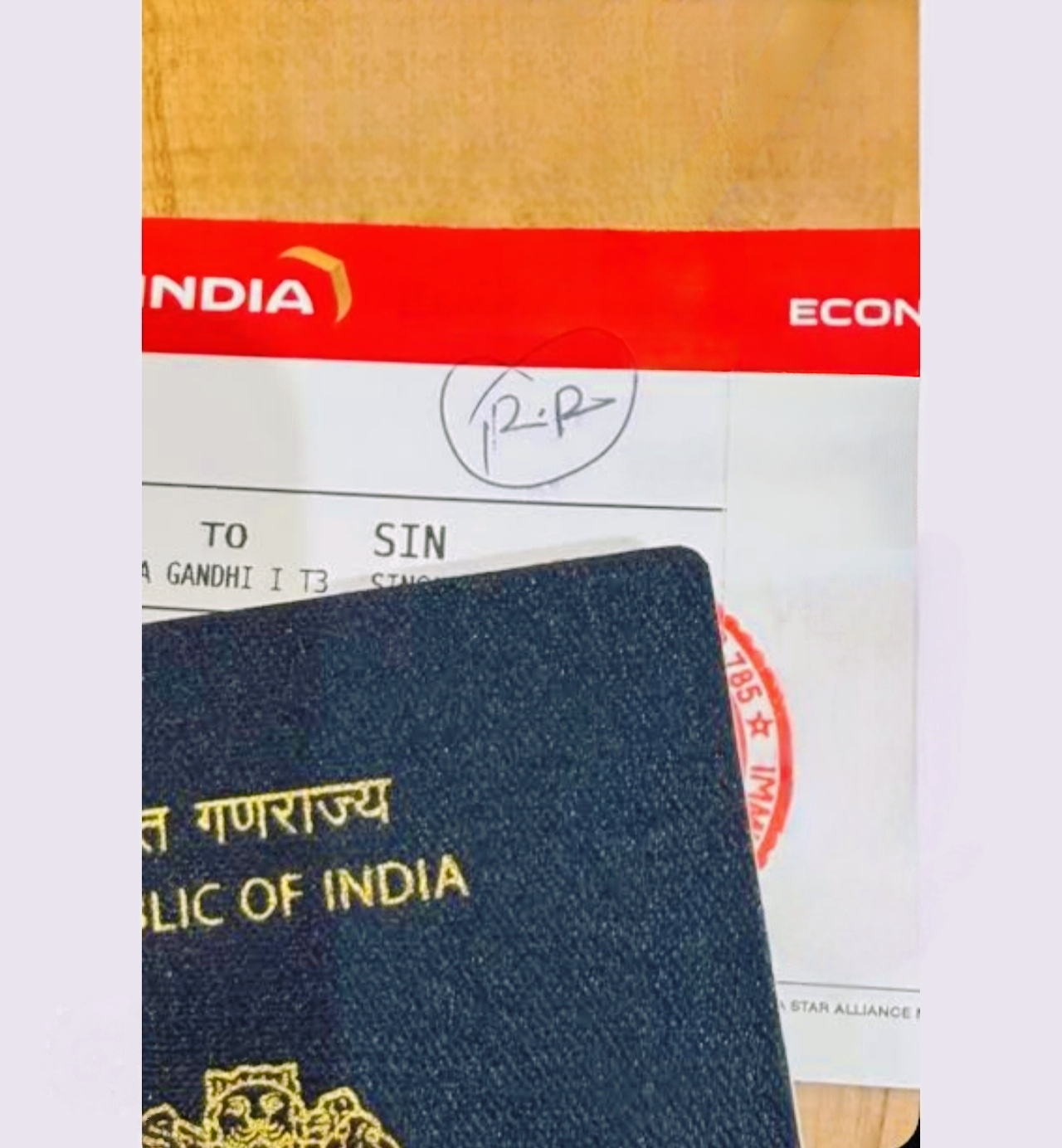
Spotted an “RR” stamp on your boarding pass and felt a split-second of panic—what exactly does it mean for your flight from India?
You’re all set for takeoff, excitement kicking in—until a bold “RR” stamp on your boarding pass stops you in your tracks. Is something wrong with your baggage, your ticket, or worse, your travel plans?
It’s easy to spiral into worst-case scenarios, but that stamp isn’t as alarming as it looks.
It simply signals an extra layer of routine screening that some passengers go through.
If your documents are in order and you’ve arrived with time to spare, there’s little to worry about. Think of it as a brief checkpoint—not a roadblock to your journey.
What Does “RR” Really Mean?
“RR” stands for Random Review or Random Referral, meaning airport authorities have selected you for an additional security or customs check before your flight.
It might sound intimidating, but it’s not a red flag. You haven’t done anything wrong—it’s simply part of routine airport procedures.
Airports assign this extra screening randomly to a small number of passengers, especially on flights departing from India.
Airline check-in systems trigger the process and coordinate it with airport security and customs officials.
It’s all part of India’s aviation safety framework, overseen by the Bureau of Civil Aviation Security (BCAS), to ensure smooth and secure travel for everyone.
Why Are You Selected?
Automated algorithms drive the “RR” selection to keep the process random and unpredictable.
It isn’t based on your behavior, ticket type, nationality, or frequent flyer status—so there’s no need to read into it.
This element of surprise is intentional. Security agencies rely on unpredictability as a key global aviation principle to strengthen safety and deter threats.
Typically, this additional screening happens after you’ve cleared immigration, just before boarding.
However, in some cases, factors such as alerts, specific intelligence, or unusual baggage patterns may also trigger a Random Referral.
What Happens After You’re Marked “RR”?
The “RR” tag helps authorities keep a closer watch on departing passengers and prevents the illegal export of restricted items.
If you receive an RR mark, you should expect an additional check—but staff handle the process professionally and courteously.
Airlines receive information about RR-marked passengers in advance, often as soon as they process the passenger manifest.
This system ensures that security teams plan the extra screening even before you reach immigration or security checkpoints.
Authorities select less than 2 percent of travelers for RR screening, making it a rare and routine security measure rather than a cause for concern.
The Real Purpose Behind “RR”
The primary aim of “RR” is to prevent the illegal export of restricted goods and to keep a check on unaccounted Indian and foreign currency beyond limits set by the Reserve Bank of India (RBI).
Despite the added screening, customs authorities report no complaints from international airlines regarding the process.
Airlines also share feedback during stakeholder meetings, and authorities address any concerns quickly to keep the system smooth and efficient.
What Happens If You’re Flagged “RR”?
If security flags you under “RR,” staff may ask you to undergo additional checks such as extra frisking, hand baggage re-screening, or document verification at the boarding gate or a designated security point.
These procedures are standard and usually quick, so it’s best to arrive early, cooperate with airport staff, and follow instructions for smooth processing—this may include additional baggage screening, body scans, or extra ID checks.
Although random secondary screening applies to both domestic and international travel, airports enforce it more frequently on international departures due to stricter customs rules and cross-border security requirements.
These checks can also apply to domestic flights depending on current security protocols. While the “RR” label applies specifically to Indian aviation, security agencies use random screening practices worldwide.
Authorities implement this protocol across all security-controlled airports in India, not just a few select locations. It is a standard part of the nationwide aviation security system.
Importantly, “RR” does not indicate any wrongdoing. It simply reflects a layered security approach designed to maintain civil aviation safety through structured unpredictability.
The “RR” mark on your boarding pass is part of a structured and random security system used across Indian airports.
They design this system to enhance aviation safety through additional screening—not to signal suspicion or wrongdoing.
In most cases, it only means a quick extra check before boarding and reflects the layered security approach followed in air travel.
So next time you see “RR,” will you see it as a warning—or just a routine step toward a safer journey?
DISCLAIMER: This article is derived from information available in the public domain. Some images or visuals used may be AI-generated for illustrative purposes.
Top News
- YouTube Relaunches Private Chats With Age Verification

- The Future Of Air Travel: Why The 100ml Liquid Limit May Soon Disappear

- Rising Temperatures, Rising Tempers? The Surprising Link Between Heat And Aggression

- India’s Lost Dragonfly Returns After 110 Years

- Snapchat Introduces Safer Story Sharing For Under-16 Users


Leave a Reply