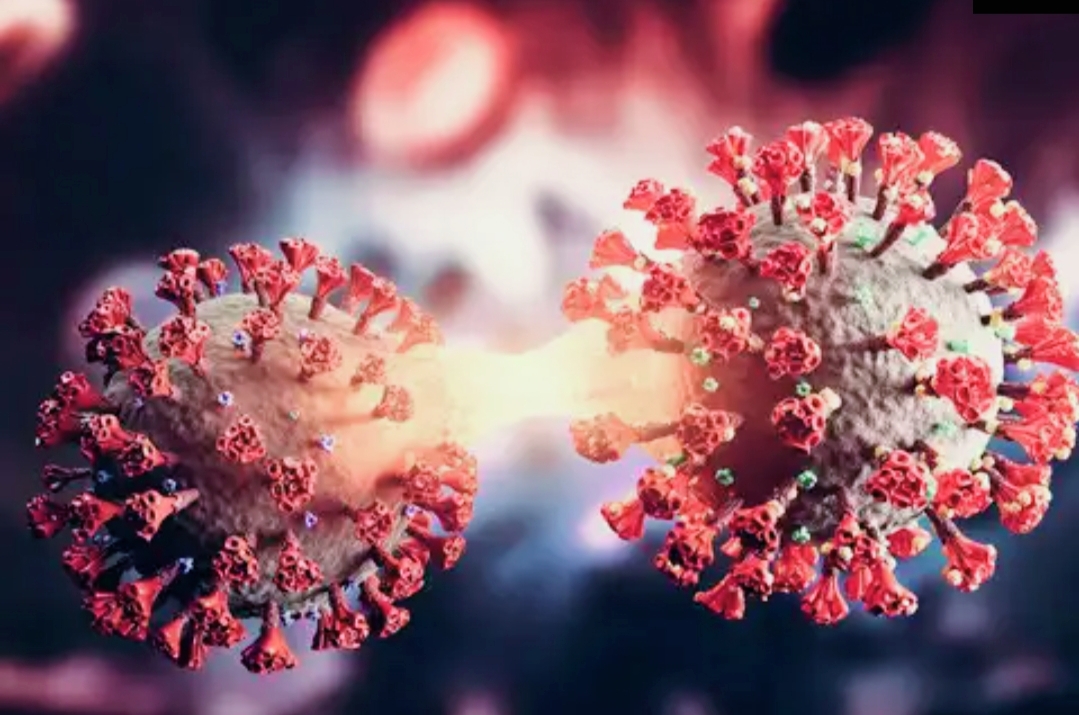
COVID-19 has returned. Indeed, the virus is gradually making a comeback to Asia after wreaking havoc on the globe between 2019 and 2022. In recent weeks, Singapore and Hong Kong have seen the highest number of cases. Nearer to home, the number of variations NB.1.8.1 and LF.7 (and more recently XFG) found in various regions of the nation has been increasing. Although the government claims that the disease is still widespread and does not currently constitute an imminent threat, what is this new type and how does it vary from the others? Let’s examine the symptoms in more detail.
The majority of infections are still minor, and hospital intensive care unit admissions have not increased dramatically despite the increase in incidence. However, over the last ten days, the number of patients visiting hospital outpatient departments (OPDs) has increased three to four times. This suggests that the number of mild to moderate cases that need medical care but not critical care is increasing.
Symptoms
A notable aspect of the current wave is the regular reports of hoarseness or a raspy voice in Covid patients. Unlike previous waves where losing taste and smell were the main signs, this time, a lot of patients are experiencing a dry or scratchy cough along with throat discomfort and hoarseness. Medical professionals from different hospitals have verified that hoarseness has become a typical symptom observed in outpatient departments throughout India.
According to preliminary statistics, it’s possible that the novel strains are more contagious than earlier ones. One example is the NB.1.8.1 variation, which has a “growth advantage,” meaning it can spread more quickly. The WHO is also monitoring the LF.7 strain to ascertain its transmissibility and its consequences. Although comprehensive research on the XFG variety is still in its early stages, its existence complicates matters further. Not quite as bad.
It’s crucial to understand that just because a variant spreads more easily, it doesn’t mean it leads to more serious illness. The main reasons these variants are spreading include changes in the virus’s spike protein, the ability to evade the immune system, seasonal factors, and how people behave. Keeping a close watch and doing more research is key to really grasping how these new variants transmit. Experts point out that even though these variants are easily transmissible, they don’t seem to cause severe illness in most individuals. Still, those with pre-existing health issues, older adults, and young kids are at greater risk and should take additional precautions.
How Well Does The Vaccine Work
India’s vaccination campaign has seen great success, with more than 95% of eligible adults getting vaccinated and roughly 75% having obtained booster shots. Still, only about 18% have gotten vaccines specifically aimed at Omicron strains, which could impact the protection level against emerging variants.
Vaccines continue to offer robust protection against serious illness and hospitalization, even in the face of an increase in instances. Health experts advise everyone, especially those who are more vulnerable, to keep up with their vaccination schedules. As they turn 18, children who were previously ineligible are now encouraged to be vaccinated.
The national government has established a committee to keep a close eye on the situation, concentrating on the availability of vaccines, testing capabilities, hospital readiness, and essential medications to effectively handle the surge.
What Makes Covid Different
Based only on symptoms, it is challenging to distinguish Covid from other infections because respiratory ailments like the flu are particularly prevalent during the monsoon season. Covid and the flu can both produce fever, headache, sore throat, cough, and exhaustion. Even if it is less frequent in the current wave, loss of taste and smell is still a more obvious indication of COVID.
If symptoms like hoarseness, diarrhea, or unexplained exhaustion occur, doctors advise getting tested for COVID-19. Early identification lowers the chance of the virus spreading further by facilitating prompt isolation and treatment.
What You Have To Do
Keep an eye out for symptoms: Consider getting tested for COVID if you have low-grade fever, diarrhea, dry cough, hoarseness, or sore throat.
Vaccinate: Make sure you and your family have had all recommended vaccinations and booster shots.
Keep up with hygiene: Put on masks when you’re in busy areas, wash your hands regularly, and steer clear of big crowds.
Keep track of your health: Pay attention to your oxygen levels if you receive a positive test result, and don’t hesitate to seek medical assistance if your symptoms get worse.
Keep yourself informed: Pay attention to health authorities’ updates and get medical advice if you have any underlying medical concerns.
- YouTube Relaunches Private Chats With Age Verification
- The Future Of Air Travel: Why The 100ml Liquid Limit May Soon Disappear
- Rising Temperatures, Rising Tempers? The Surprising Link Between Heat And Aggression
- India’s Lost Dragonfly Returns After 110 Years
- Snapchat Introduces Safer Story Sharing For Under-16 Users
- Google Launches Gemini 3.5 Live Translate
- The New Dating Trend Everyone’s Talking About: Puffer-Fishing
- Tea, Coffee, Juice: The Worst Empty Stomach Mistakes
- Instagram Introduces Profile Grid Customization
- Skywatchers Alert: Jupiter And Venus Set For A Rare Close Encounter Tonight
- Chrome Just Downloaded a 4GB AI Model? Here’s How to Delete It
- Why Does Real Love Feel Different Than We Expect?
- The 30-Minute Parenting Secret Every Child Needs
- Remote Robotics: Control Robotic Arms From Your Smartphone
- Mumbai’s Pod Taxis: Will BKC Benefit?
- Beyond The Missing Period: Understanding MRKH Syndrome
- Why Calling Every Stomach Problem ‘Gas’ Can Be Risky?
- Poke: Apple’s First AI Agent Debuts
- AC Drying Out Your Skin? Try This Simple Fix
- Want More Fireflies? Transform Your Garden Today
- Spotify Launches Podcast Clips For Instant Highlight Saving
- The Hidden Reason Summer Causes More Headaches
- Early Iron Deficiency Symptoms You Shouldn’t Ignore
- Meta Introduces Premium ‘Plus’ Tier For Instagram, Facebook And WhatsApp
- WhatsApp Launches Channel Status For 24-Hour Admin Updates
- 5 Powerful Signs You’re With The Right Person
- Social Media: The New Smoking For Children?
- Dewy, Glossy, Sweaty: The Viral Makeup Trend Everyone’s Trying
- Luna Launches Smart AI Band For Real-Time Daily Planning


Leave a Reply