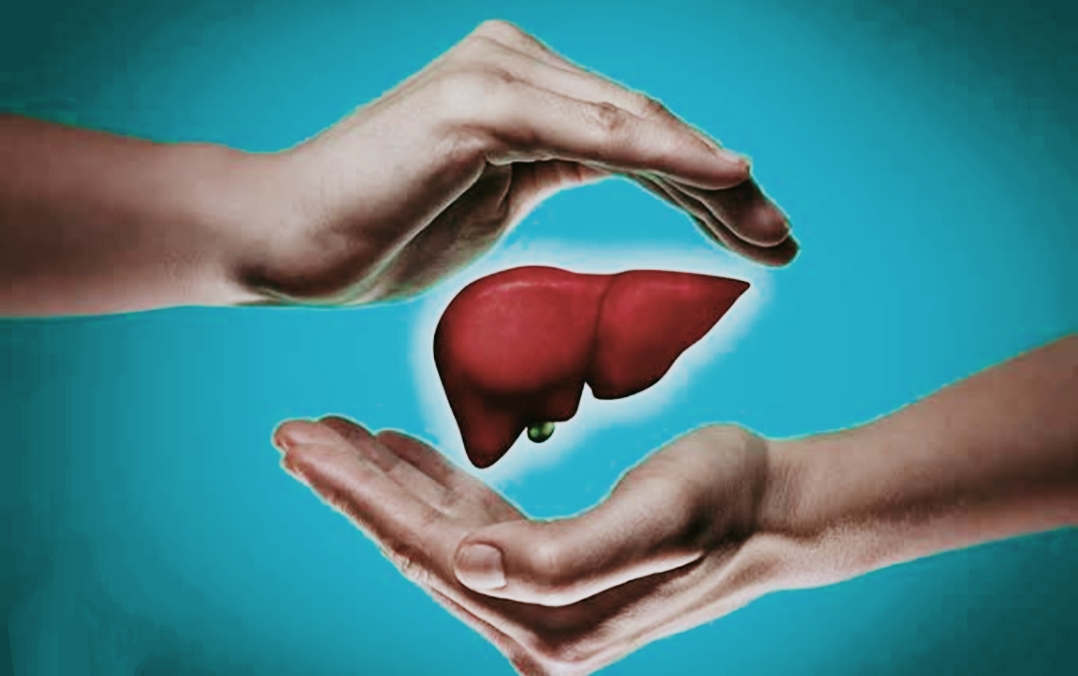
Maintaining the health of your liver is essential for general wellbeing. Remember that the word “live” actually means “live”!. Among the more than 500 vital tasks carried out by the liver are bile generation for digestion, detoxification, and nutrient processing.
Millions of individuals worldwide suffer from liver disease, and its prevalence is higher than ever. When liver disease first appears, its early signs are frequently mild and are either completely disregarded or confused for other conditions. This may cause cirrhosis, fatty liver disease, or hepatitis to go undiagnosed. A timely diagnosis may save a life. These seven liver disease early signs are important to pay attention to.
1)Loss Of Weight
Unintentional weight loss that happens suddenly might happen when the liver has trouble metabolizing foods. Digestion problems or a decreased appetite could result from this. While some people might view weight reduction as a good thing, it’s concerning if it happens suddenly and without explanation.
2)Dark Urine
Urine changes also suggested a compromised liver. Even with proper hydration, dark, amber, or brown urine may be a sign of excess bilirubin being eliminated by the kidneys. Most people think it’s simply dehydration. If you have this symptom, you should get medical help right away. See a doctor right once.
3)Continuous Weakness & Fatigue
Chronic fatigue is among the initial and most prevalent indicators of liver dysfunction.The liver plays a key role in turning nutrients into energy, and when it’s not functioning properly, energy production can be thrown off.Consequently, a person might feel exhausted even after getting enough sleep.A lot of people brush it off as just stress or being overworked, but ongoing fatigue should definitely lead to a visit to the doctor.
4)Swelling Or Pain In The Abdomen
If you’re feeling any discomfort or bloating in the upper right part of your belly, where the liver is located, it could be a sign of inflammation or hepatomegaly.Sometimes, ascites, which is fluid buildup in the abdomen, can lead to noticeable swelling. Individuals often confuse this condition with indigestion, gas, or excessive food intake
5)Changes In Stool Color
Pale stools can be a key indicator of liver damage. If your stool is clay-colored or grayish, it might be due to less bile being produced or blocked bile ducts, both of which are linked to how well your liver is working. On the other hand, if your stools are unusually dark or tarry, it could suggest internal bleeding or problems related to the liver.
6)Jaundice
A key indicator of jaundice is yellowing of the skin and eyes. When the liver is unable to properly process bilirubin, it builds up and causes jaundice, which is indicated by a faint yellow color in the skin or the eyes.
It’s common to confuse mild jaundice for a tan or bad lighting. To check liver function and stop additional damage, even mild yellowing needs to be evaluated by a doctor right away, especially if it is accompanied by other symptoms.
7)Itching
Liver problems may be indicated by unexplained, ongoing itching, especially on the hands, feet, or entire body. Bile salts build up beneath the epidermis and cause discomfort when the liver is unable to remove them. Many people believe that dry skin, eczema, or allergies are the causes of this irritation. If the itch is not relieved by over-the-counter treatment, there may be a liver issue that needs to be looked at.
- New Zealand Legend Kane Williamson Announces Retirement
- FIFA World Cup 2026: How Fans Can Watch Matches For Free
- YouTube Relaunches Private Chats With Age Verification
- The Future Of Air Travel: Why The 100ml Liquid Limit May Soon Disappear
- Rising Temperatures, Rising Tempers? The Surprising Link Between Heat And Aggression
- India’s Lost Dragonfly Returns After 110 Years
- Snapchat Introduces Safer Story Sharing For Under-16 Users
- Google Launches Gemini 3.5 Live Translate
- The New Dating Trend Everyone’s Talking About: Puffer-Fishing
- Tea, Coffee, Juice: The Worst Empty Stomach Mistakes
- Instagram Introduces Profile Grid Customization
- Skywatchers Alert: Jupiter And Venus Set For A Rare Close Encounter Tonight
- Chrome Just Downloaded a 4GB AI Model? Here’s How to Delete It
- Why Does Real Love Feel Different Than We Expect?
- The 30-Minute Parenting Secret Every Child Needs
- Remote Robotics: Control Robotic Arms From Your Smartphone
- Mumbai’s Pod Taxis: Will BKC Benefit?
- Beyond The Missing Period: Understanding MRKH Syndrome
- Why Calling Every Stomach Problem ‘Gas’ Can Be Risky?
- Poke: Apple’s First AI Agent Debuts
- AC Drying Out Your Skin? Try This Simple Fix
- Want More Fireflies? Transform Your Garden Today
- Spotify Launches Podcast Clips For Instant Highlight Saving
- The Hidden Reason Summer Causes More Headaches
- Early Iron Deficiency Symptoms You Shouldn’t Ignore
- Meta Introduces Premium ‘Plus’ Tier For Instagram, Facebook And WhatsApp
- WhatsApp Launches Channel Status For 24-Hour Admin Updates
- 5 Powerful Signs You’re With The Right Person
- Social Media: The New Smoking For Children?
- Dewy, Glossy, Sweaty: The Viral Makeup Trend Everyone’s Trying
- Luna Launches Smart AI Band For Real-Time Daily Planning


Leave a Reply