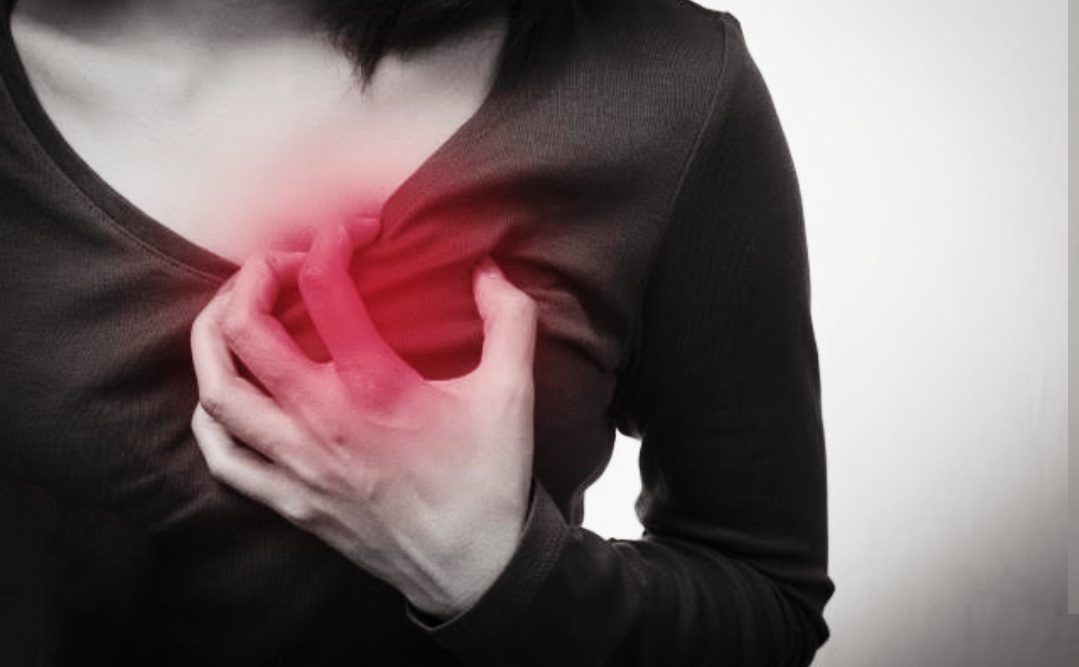
Heart diseases remain a top cause of death around the globe. Nowadays, as we live in a world that pushes us to achieve more, our lifestyle has become quick-paced and stressful.
Usually, people wait until it’s too late to pay attention to their health and warning indicators. Heart blockage, which is one of the most deadly disorders, happens when plaque accumulation narrows or blocks the coronary arteries that feed blood to the heart. But early detection is essential. The difference between a fatal cardiac episode and prompt management is the ability to identify symptoms, experts emphasize.
The New England Journal of Medicine revealed that nearly one-third of heart attack victims did not experience chest pain.
Early identification became even more crucial because people who experienced nausea, fatigue, or shortness of breath, especially in women and the elderly. If you notice any of these heart blockage warning signs, you should never disregard them.
Chest Discomfort Or Angina
The majority of patients who suffer from cardiac blockage report pain or discomfort in their chest. It is typically caused by stress or physical activity and tightness, pressure, or heaviness in the chest.
Stable angina, which is a sign of restricted coronary arteries, may be the source of the pain that goes away with rest. This occurs when the heart muscle does not receive enough oxygenated blood.
Breathing Difficulties
Breathlessness at rest or with even mild activity is a sign that the heart is experiencing problems effectively pumping blood. Breathing Difficulties results from blockages because the heart can no longer pump enough blood to meet the body’s oxygen demands.
It is an important warning indication for underlying heart disease or heart failure, and the symptom may occasionally get worse with time.
Fatigue
If you experience sudden, severe, or worsening fatigue that does not go away with rest, your heart may be failing. Blockages that restrict blood flow to the body result in less oxygen reaching the muscles and organs, which causes exhaustion even when engaging in daily activities. The identification of serious cardiac conditions will be postponed if this sign is ignored.
Back, Jaw, Neck And Arm Pain
A heart attack or coronary artery blockage may be the cause of pain radiating from the chest to the arms, neck, jaw, or back. This type of pain is more common in women and is often mistaken for muscle or nerve pain; it is crucial to identify this referred pain because it signals ischemia in areas that are innervated by the same nerves as the heart.
Sweats Without Physical Exercise
Unexpected cold sweats occurring without physical activity or heat exposure may signal heart trouble.
Such a symptom can emerge as a reaction from the body due to stress resulting from poor blood circulation and insufficient oxygen supply to the heart. If you experience sudden, excessive sweating along with other signs and symptoms, it is important to seek immediate medical evaluation for potential cardiac issues.
Vomiting Or Dizziness
These symptoms—which typically accompany vomiting and may worsen with activity—may indicate that there is insufficient blood flow to the brain and other organs due to blocked blood vessels in the heart. When combined with shortness of breath or chest pain, they strongly suggest an urgent cardiovascular condition that requires immediate medical attention.
Arrhythmias
When the heart is oxygen-starved from blocked arteries, it can produce an irregular heartbeat, including palpitations, skipped beats, or a fast pulse. Arrhythmias typically signify a malfunction in the heart’s electrical system and can be benign but potentially fatal. To prevent complications, a cardiologist should assess any new or persistent arrhythmias.
Legs Or Feet That Swell
Lower limb swelling is caused by the heart’s ineffective pumping of blood, which causes fluid to build up in tissues. It is common in congestive heart failure and can be a consequence of chronic coronary artery disease. If chronic edema is linked to other heart symptoms, treatment for the heart should be vigorously pursued.
- YouTube Relaunches Private Chats With Age Verification
- The Future Of Air Travel: Why The 100ml Liquid Limit May Soon Disappear
- Rising Temperatures, Rising Tempers? The Surprising Link Between Heat And Aggression
- India’s Lost Dragonfly Returns After 110 Years
- Snapchat Introduces Safer Story Sharing For Under-16 Users
- Google Launches Gemini 3.5 Live Translate
- The New Dating Trend Everyone’s Talking About: Puffer-Fishing
- Tea, Coffee, Juice: The Worst Empty Stomach Mistakes
- Instagram Introduces Profile Grid Customization
- Skywatchers Alert: Jupiter And Venus Set For A Rare Close Encounter Tonight
- Chrome Just Downloaded a 4GB AI Model? Here’s How to Delete It
- Why Does Real Love Feel Different Than We Expect?
- The 30-Minute Parenting Secret Every Child Needs
- Remote Robotics: Control Robotic Arms From Your Smartphone
- Mumbai’s Pod Taxis: Will BKC Benefit?
- Beyond The Missing Period: Understanding MRKH Syndrome
- Why Calling Every Stomach Problem ‘Gas’ Can Be Risky?
- Poke: Apple’s First AI Agent Debuts
- AC Drying Out Your Skin? Try This Simple Fix
- Want More Fireflies? Transform Your Garden Today
- Spotify Launches Podcast Clips For Instant Highlight Saving
- The Hidden Reason Summer Causes More Headaches
- Early Iron Deficiency Symptoms You Shouldn’t Ignore
- Meta Introduces Premium ‘Plus’ Tier For Instagram, Facebook And WhatsApp
- WhatsApp Launches Channel Status For 24-Hour Admin Updates
- 5 Powerful Signs You’re With The Right Person
- Social Media: The New Smoking For Children?
- Dewy, Glossy, Sweaty: The Viral Makeup Trend Everyone’s Trying
- Luna Launches Smart AI Band For Real-Time Daily Planning


Leave a Reply