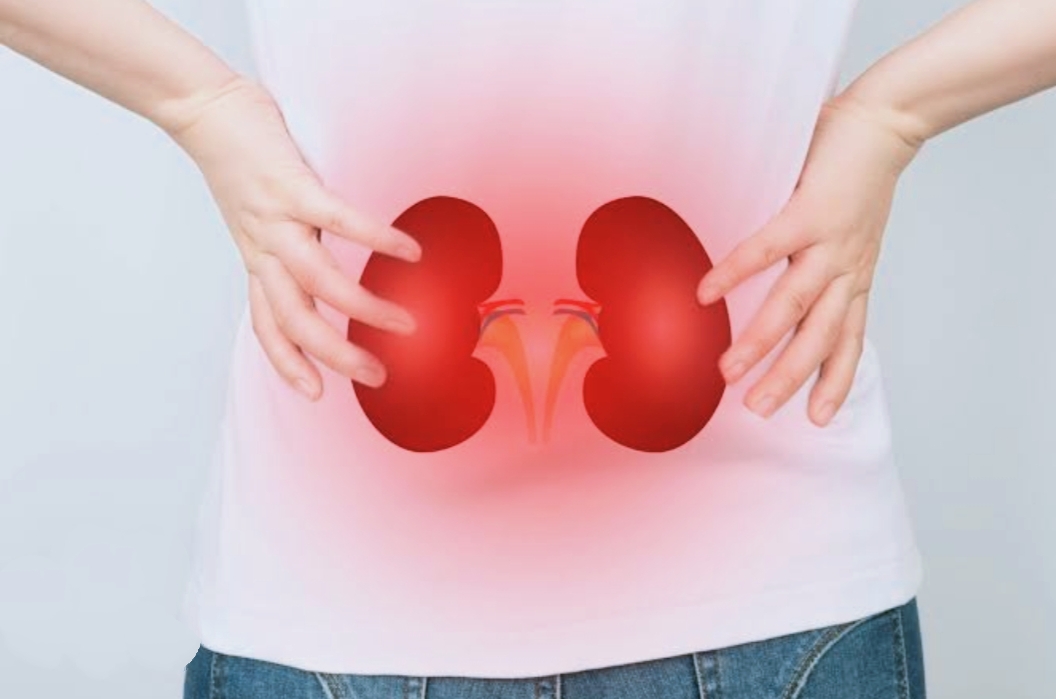
At times, the scale doesn’t really shout that there’s a problem. A couple of extra kilos, maybe 3 or 4, might not appear to be significant. They could even feel like just a typical part of holiday treats or shifts in lifestyle.
However, there’s an aspect of this slight weight gain that doesn’t get enough attention. The Kidneys, those quiet, diligent organs, frequently take on the hidden impact. It’s not solely obesity
that stresses these organs, even a few extra weight gains can set off imbalances that subtly influence kidney health.
The Link Between Weight And Kidney
It’s commonly thought that only severe obesity affects kidney health. But that’s not completely accurate.
The kidneys are responsible for filtering out waste and keeping fluid levels in check. However, when you gain weight, even just a little, the kidneys have to filter more blood than they normally would. This extra workload, which is called hyper filtration in medical terms, might seem like a good thing at first – but over time, it puts a lot of pressure on the kidneys and can result in decreased function.
Inflammation And Insulin Resistance
Putting on even a small amount of weight, particularly around the belly, isn’t merely a matter of numbers. Additional fat tissue, especially visceral fat (the fat surrounding your organs), can initiate chronic low grade inflammation. This inflammation doesn’t remain localized. It spreads throughout the body, quietly affecting blood vessels and kidney tissue.
Additionally, even slight weight gain can interfere with insulin sensitivity. When insulin fails to function effectively, it can influence sodium retention in the body, elevate blood pressure, and modify kidney filtration all of which pose risks to long-term kidney health.
This isn’t something you can see in a mirror. However, within the body, a subtle biological disorder may already be in progress.
The idea of “healthy weight gain” is often discussed, particularly among people who are underweight or athletes.
There’s a lot of talk about what it means to gain weight in a “healthy” way, especially for those who are on the lighter side or involved in sports.
While building muscle is great, not all weight gain is the same. It gets complicated when people think that gaining fat is no big deal, especially if they don’t look overweight. Even individuals with a normal Body Mass Index (BMI) can experience issues; just adding a few extra kilos of fat, especially abdomen can lead to higher levels of urinary albumin a protein that, if found in urine, might signal kidney problems. So, just because someone looks ‘normal’ doesn’t mean their kidneys are in the clear.
Simple habits that help prevent issues and really make a difference
You don’t need to completely change your lifestyle to prevent kidney strain. Just a few mindful tweaks can lead to significant improvements.
Start your day with some lemon water:
This aids your kidneys in naturally eliminating toxins and keeps your internal filtering system fresh and clear. It’s a soft approach, yet very effective.
30 minutes of activity before breakfast:
Whether it is a leisurely walk or light stretching,engaging in movement before the start of the day can stimulate metabolism and help cut down on visceral fat buildup.
Use smaller bowls instead of plates: This easy hack can result in eating 15-20% fewer calories each day without you even realizing it. Fewer extra calories mean less fat gain.
Being aware of salt: Too much sodium quietly puts pressure on the kidneys. Rather than just paying attention to table salt, watching out for hidden sources can help lower sodium intake.
Important regular kidney checkups:
The reality of kidney disease is that it usually doesn’t show symptoms early on. Because of this, it often goes undetected until serious damage has occurred. If you’ve experienced any unexpected weight gain, it’s a good idea to assess your kidney function with a straightforward urine test (albumin levels) and a blood test (creatinine levels).
These quick tests can uncover issues that your body might not be communicating. Identifying early imbalances provides a genuine opportunity to reverse or manage them before they worsen.
DISCLAIMER: This article is derived from information available in the public domain. It’s always a good idea to check your doctor before beginning any new routine.
- YouTube Relaunches Private Chats With Age Verification

- The Future Of Air Travel: Why The 100ml Liquid Limit May Soon Disappear

- Rising Temperatures, Rising Tempers? The Surprising Link Between Heat And Aggression

- India’s Lost Dragonfly Returns After 110 Years

- Snapchat Introduces Safer Story Sharing For Under-16 Users

- Google Launches Gemini 3.5 Live Translate

- The New Dating Trend Everyone’s Talking About: Puffer-Fishing

- Tea, Coffee, Juice: The Worst Empty Stomach Mistakes

- Instagram Introduces Profile Grid Customization

- Skywatchers Alert: Jupiter And Venus Set For A Rare Close Encounter Tonight

- Chrome Just Downloaded a 4GB AI Model? Here’s How to Delete It

- Why Does Real Love Feel Different Than We Expect?

- The 30-Minute Parenting Secret Every Child Needs

- Remote Robotics: Control Robotic Arms From Your Smartphone

- Mumbai’s Pod Taxis: Will BKC Benefit?

- Beyond The Missing Period: Understanding MRKH Syndrome

- Why Calling Every Stomach Problem ‘Gas’ Can Be Risky?

- Poke: Apple’s First AI Agent Debuts

- AC Drying Out Your Skin? Try This Simple Fix

- Want More Fireflies? Transform Your Garden Today

- Spotify Launches Podcast Clips For Instant Highlight Saving

- The Hidden Reason Summer Causes More Headaches

- Early Iron Deficiency Symptoms You Shouldn’t Ignore

- Meta Introduces Premium ‘Plus’ Tier For Instagram, Facebook And WhatsApp

- WhatsApp Launches Channel Status For 24-Hour Admin Updates

- 5 Powerful Signs You’re With The Right Person

- Social Media: The New Smoking For Children?

- Dewy, Glossy, Sweaty: The Viral Makeup Trend Everyone’s Trying

- Luna Launches Smart AI Band For Real-Time Daily Planning

- Meta Launches New ‘Forum’ App

- Why Is Your C-Section Scar Vertical?

- Red vs Orange Heat Alerts: Which One Puts Your Body At Greater Risk?

- Does AC Sleep Weaken Your Immunity? – Myth or Fact?

- The Rise Of Nonnamaxxing

- How To Clean Mushrooms Without Turning Them Soggy?

- How Hot Nights Quietly Harm Your Sleep And Heart?

- Indian Content Creators Can Win a Free Nepal Trip — Here’s How To Apply

- Gemini Omni Flash Brings Multimodal AI Video Creation To Google

- Essential Oil Diffusers: Healthy Trend or Hidden Hazard?

- Gmail Users Alert: Your Free 15 GB Storage Could Disappear

- YouTube Introduces Likeness Detection For 18+ Users

- AI vs Human Language: Is Learning Still Worth It?

- OpenAI Unveils ChatGPT Finance Tools With Direct Bank Integration

- The Ageing Risk Of Sleeping Too Much Or Too Little

- Fitness or Future Pain? The Truth About Joint-Damaging Workouts

- Salt Water Trend: What You Need To Know First?

- X Launches History Tab For Likes, Bookmarks And Videos

- Stay Chill: Smart Gadgets For Summer

- Instagram Launches Instant For Disappearing Photos

- ChatGPT App Now Supports Codex Coding Tool

- Best Smart Devices For Senior Citizens

- Why Did Humans Use To Eat Soil, And Why Do Some Still Do?

- How Your Body Responds To Sleep Deprivation

- Glow Naturally: Simple Habits For Healthier Skin

- Google Chrome Too Messy? Easy Tricks For Smoother Browsing

- Faustino Oro Becomes Chess’s Second-Youngest Grandmaster

- The World’s First Railway: Where It Began?

- Google Upgrades Cars With Gemini AI

- The Hidden Warning On Your Skin: Early Signs Of Diabetic Rash

- Amazon Launches Vertical Feed For Prime Video

- Say Goodbye To Mosquitoes Naturally With These 6 Plants

- Puffy Face? Simple Ways To De-Puff Your Face

- Google Launches Fitbit Air: A New Era In Sleep And Recovery Tracking Begins


Leave a Reply