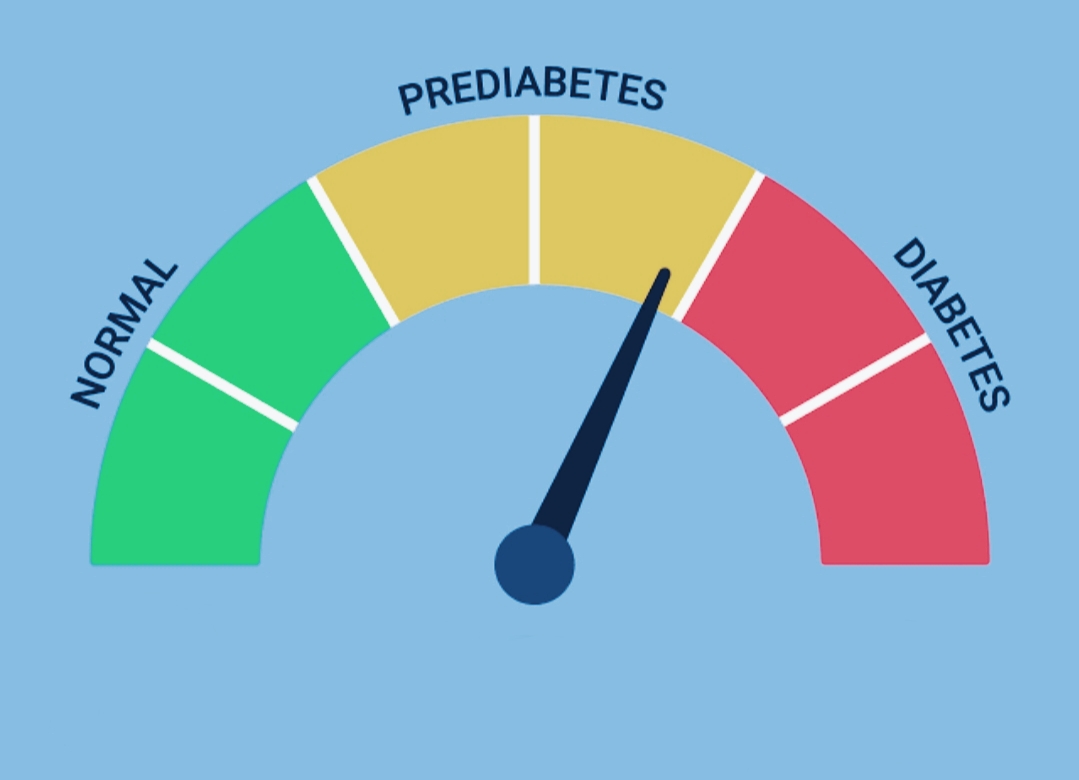
Prediabetes is when your blood sugar levels are elevated, but not quite high enough to be classified as type 2 diabetes (at least not yet). For many, it serves as a red flag indicating that if you don’t make some lifestyle adjustments, your chances of developing type 2 diabetes, heart disease, and stroke go up.
On the flip side, Prediabetes typically doesn’t show any symptoms, and the only way to confirm it is through a blood test. The bright side is that in many cases, Prediabetes can be reversed quite effectively with the right lifestyle changes, managing your diet, and most importantly, getting some exercise. In fact, recent studies indicate that just 150 minutes of exercise each week can greatly help in reversing prediabetes.
Research
A new study featured in Cardiovascular Diabetology Endocrinology Reports shares some positive findings – Merely 150 minutes of exercise weekly can significantly reverse prediabetes and bring blood sugar levels back to normal.
Prediabetes Level
Prediabetes refers to a state where your blood sugar levels are elevated beyond the normal range, yet not high enough to be classified as diabetes. Typically, it is recognized by – Fasting blood glucose levels ranging from 100 to 125 mg/dL
Glycated hemoglobin (HbA1c) levels ranging from 5.7% to 6.4%. Results from an oral glucose tolerance test falling between 140 and 199 mg/dL after consuming glucose. If not addressed, prediabetes can swiftly advance to type 2 diabetes, a chronic (and largely irreversible) condition that may lead to heart disease, kidney failure, nerve
damage, and various other serious complications.
A recent research project looked into data from Colombian adults who were part of a cardiovascular risk program from 2019 to 2023. Participants started with a median HbA1c of 5.9%, which shows borderline blood sugar control. The researchers discovered that people who were active for over 150 minutes a week were four times more likely to reverse prediabetes and go back to normal glucose levels compared to those who were less active.
It shows that even a little bit of exercise just over two hours each week can significantly help in preventing diabetes.
What Is The Benefit
Exercise boosts the body’s capacity to utilize insulin efficiently, aiding in the regulation of blood sugar levels. Additionally,
- Increases glucose absorption by muscles
- Improves insulin sensitivity
- Aids in lowering body weight and fat
- Reduces blood pressure and cholesterol levels
- Decreases inflammation and stress hormones
Which workout should do?
A review of 24 studies with almost 2,000 prediabetic patients found that the best results for controlling sugar and losing weight come from combining moderate-intensity aerobic exercise with low- to moderate-resistance training.
Aerobic exercises (or cardio) include activities like brisk walking, jogging, cycling, swimming, or dancing, while resistance training consists of weight lifting or bodyweight exercises such as squats and push-ups.
The study shows that aiming for 150 minutes of moderate physical activity each week is a realistic goal. You can break this down into 30 minutes a day, 5 days a week, or shorter sessions spread out over the week.
Exercise also aids in lowering other risk factors linked to diabetes, including:
Decreasing overall cholesterol and LDL (the “bad” cholesterol). Cutting down body mass index (BMI) and weight. Boosting blood pressure management. Improving heart health and muscle power
DISCLAIMER: This article is derived from information available in the public domain. It’s always a good idea to check your doctor before beginning any new routine.
- New Zealand Legend Kane Williamson Announces Retirement
- FIFA World Cup 2026: How Fans Can Watch Matches For Free
- YouTube Relaunches Private Chats With Age Verification
- The Future Of Air Travel: Why The 100ml Liquid Limit May Soon Disappear
- Rising Temperatures, Rising Tempers? The Surprising Link Between Heat And Aggression
- India’s Lost Dragonfly Returns After 110 Years
- Snapchat Introduces Safer Story Sharing For Under-16 Users
- Google Launches Gemini 3.5 Live Translate
- The New Dating Trend Everyone’s Talking About: Puffer-Fishing
- Tea, Coffee, Juice: The Worst Empty Stomach Mistakes
- Instagram Introduces Profile Grid Customization
- Skywatchers Alert: Jupiter And Venus Set For A Rare Close Encounter Tonight
- Chrome Just Downloaded a 4GB AI Model? Here’s How to Delete It
- Why Does Real Love Feel Different Than We Expect?
- The 30-Minute Parenting Secret Every Child Needs
- Remote Robotics: Control Robotic Arms From Your Smartphone
- Mumbai’s Pod Taxis: Will BKC Benefit?
- Beyond The Missing Period: Understanding MRKH Syndrome
- Why Calling Every Stomach Problem ‘Gas’ Can Be Risky?
- Poke: Apple’s First AI Agent Debuts
- AC Drying Out Your Skin? Try This Simple Fix
- Want More Fireflies? Transform Your Garden Today
- Spotify Launches Podcast Clips For Instant Highlight Saving
- The Hidden Reason Summer Causes More Headaches
- Early Iron Deficiency Symptoms You Shouldn’t Ignore
- Meta Introduces Premium ‘Plus’ Tier For Instagram, Facebook And WhatsApp
- WhatsApp Launches Channel Status For 24-Hour Admin Updates
- 5 Powerful Signs You’re With The Right Person
- Social Media: The New Smoking For Children?
- Dewy, Glossy, Sweaty: The Viral Makeup Trend Everyone’s Trying
- Luna Launches Smart AI Band For Real-Time Daily Planning
- Meta Launches New ‘Forum’ App
- Why Is Your C-Section Scar Vertical?
- Red vs Orange Heat Alerts: Which One Puts Your Body At Greater Risk?
- Does AC Sleep Weaken Your Immunity? – Myth or Fact?
- The Rise Of Nonnamaxxing
- How To Clean Mushrooms Without Turning Them Soggy?
- How Hot Nights Quietly Harm Your Sleep And Heart?
- Indian Content Creators Can Win a Free Nepal Trip — Here’s How To Apply
- Gemini Omni Flash Brings Multimodal AI Video Creation To Google
- Essential Oil Diffusers: Healthy Trend or Hidden Hazard?
- Gmail Users Alert: Your Free 15 GB Storage Could Disappear
- YouTube Introduces Likeness Detection For 18+ Users
- AI vs Human Language: Is Learning Still Worth It?
- OpenAI Unveils ChatGPT Finance Tools With Direct Bank Integration
- The Ageing Risk Of Sleeping Too Much Or Too Little
- Fitness or Future Pain? The Truth About Joint-Damaging Workouts
- Salt Water Trend: What You Need To Know First?
- X Launches History Tab For Likes, Bookmarks And Videos
- Stay Chill: Smart Gadgets For Summer
- Instagram Launches Instant For Disappearing Photos
- ChatGPT App Now Supports Codex Coding Tool
- Best Smart Devices For Senior Citizens
- Why Did Humans Use To Eat Soil, And Why Do Some Still Do?
- How Your Body Responds To Sleep Deprivation
- Glow Naturally: Simple Habits For Healthier Skin
- Google Chrome Too Messy? Easy Tricks For Smoother Browsing
- Faustino Oro Becomes Chess’s Second-Youngest Grandmaster
- The World’s First Railway: Where It Began?
- Google Upgrades Cars With Gemini AI
- The Hidden Warning On Your Skin: Early Signs Of Diabetic Rash
- Amazon Launches Vertical Feed For Prime Video
- Say Goodbye To Mosquitoes Naturally With These 6 Plants
- Puffy Face? Simple Ways To De-Puff Your Face
- Google Launches Fitbit Air: A New Era In Sleep And Recovery Tracking Begins
- Planning A Trip To Rudranath Temple? Here’s The Complete Reopening Guide
- Japan’s Simple Secrets To Heart Health
- Ube Coffee: Trendy Treat or Overhyped Drink?
- Don’t Ignore These AC Warning Signs
- Thinking About Them Nonstop? The Rise Of Limerence
- The Rise Of The ‘Ick’ In Modern Dating
- Step By Step: The Simple Habit That Lowers Blood Pressure Fast
- Galaxy AI Glasses Official, Samsung Teases Earbuds Upgrade
- What Rice Water Really Does To Your Skin Overnight?
- Robots At The Gate: Tokyo’s Bold Airport Experiment
- 5AM Routine: Start Your Day With Gentle Habits
- From Idea To File: Gemini Generates Docs And Spreadsheets
- Your Dog Knows Best? Why They Avoid Certain People
- Free Comics Online: 4 Easy Ways To Start Reading Today
- YouTube Tests AI Search With Smart Answers And Video Results
- Why Some Animals Eyes Glow In The Dark?


Leave a Reply