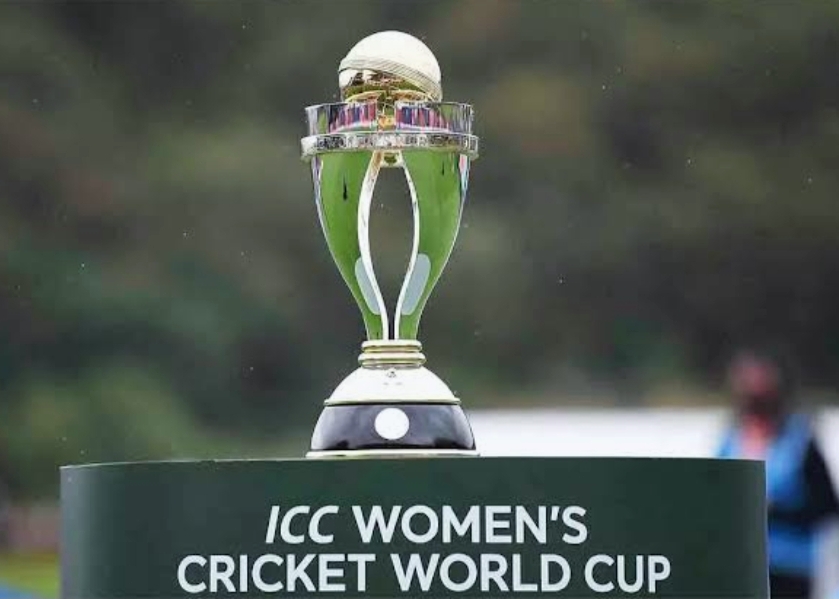
The International Cricket Council (ICC) has just revealed a jaw dropping four-fold boost in the prize money for the ICC Women’s Cricket World Cup 2025, which will take place in India from September 30 to November 2, 2025.
This is a huge increase from the previous $1.32 million (₹11.65 crore) to a whopping $4.48 million (₹39.55 crore), as announced by the sport’s global governing body on Monday (September 1, 2025).
The 13th edition of the worldwide showcase event kicks off on September 30 and is co-hosted by India and Sri Lanka.
In total, the eight team tournament will see a prize money boost of almost three times, with the ICC revealing a total prize pool of $13.88 million (around ₹122.5 crore) for this grand event.
The champions of the next ICC Women’s Cricket World Cup are set to earn the largest prize money ever in the tournament’s history.
According to a statement from the global cricket organization, this sets a new standard for women’s cricket, with champions taking home a record $4.48 million in prize money.
The total prize money for the eight-team tournament is now $13.88 million, marking a whopping 297% increase from the $3.5 million (around ₹31 crore) awarded at the last tournament in New Zealand in 2022.
This total surpasses the prize money for the ICC Men’s Cricket World Cup 2023, which had a total of $10 million (approximately ₹88.26 crore).
The runners-up will now earn $2.24 million (around ₹19.77 crore), which is a 273% increase compared to the $600,000 (around ₹5.30 crore) that England received for making it to the final.
Additionally, the two losing semi-finalists will each walk away with $1.12 million (around ₹9.89 crore), up from $300,000 (around ₹2.65 crore) in 2022.
The winners of the group stage will snag $34,314 (around ₹30.29 lakhs).
Teams that finish in fifth and sixth place will each get $700,000 (approximately ₹62 lakh), while those in seventh and eighth will earn $280,000 (about ₹24.71 lakh).
Every team participating will walk away with $250,000 (around ₹22 lakh).
The ICC mentioned that this initiative is designed to boost the global appeal of women’s cricket and to create equality with men’s cricket.
The increased prize money is in line with the ICC’s plan to promote the growth of women’s cricket, and the decision to implement pay parity was revealed before the ICC Women’s T20 World Cup 2024.
The tournament winner, which will take place in five locations – Guwahati, Indore, Navi Mumbai, and Visakhapatnam in India, along with Colombo in Sri Lanka – will earn $4.48 million.
This is a whopping 239% increase from the $1.32 million (₹11.65 crore) that Australia received when they clinched their seventh title three years back. The prize money for the last Men’s World Cup was $4 million (around ₹35.31 crore).
The rise in prize money is in line with the ICC’s plan to promote the growth of women’s cricket.
They announced a decision for pay parity just before the ICC Women’s T20 World Cup 2024.”
ICC chairman Jay Shah mentioned that this is a step to put women’s cricket first and marks a “defining milestone” for the sport.
This announcement signifies a pivotal moment in the evolution of women’s cricket. Women’s cricket is experiencing an incredible rise with this move.
The quadrupling of prize money is a groundbreaking achievement for the sport and demonstrates our strong dedication to its future development.
ICC mentioned, Our message is straightforward – women cricketers should feel assured that they will receive equal treatment to their male counterparts if they pursue this sport professionally.
The ICC also mentioned that this increase in prize money highlights the organization’s goal to host a top-tier Women’s Cricket World Cup and to motivate the upcoming generation of players and fans.
We urge all fans, media, and Member Boards to come together in supporting the women’s game and making sure it gets the recognition and respect it truly deserves.
- Google AI Mode Unveils Search Agents That Track The Web In Real Time

- Why Tamil Nadu’s Kirti Chakra Hero Became a National Inspiration?

- Tejas Shirse Sets New 110m Hurdles National Record

- The Beauty Of Change: Eighteen Lessons From Life

- 3 Days To A Morning Person: Fact or Fantasy?

- New Zealand Legend Kane Williamson Announces Retirement

- FIFA World Cup 2026: How Fans Can Watch Matches For Free

- YouTube Relaunches Private Chats With Age Verification

- The Future Of Air Travel: Why The 100ml Liquid Limit May Soon Disappear

- Rising Temperatures, Rising Tempers? The Surprising Link Between Heat And Aggression

- India’s Lost Dragonfly Returns After 110 Years

- Snapchat Introduces Safer Story Sharing For Under-16 Users

- Google Launches Gemini 3.5 Live Translate

- The New Dating Trend Everyone’s Talking About: Puffer-Fishing

- Tea, Coffee, Juice: The Worst Empty Stomach Mistakes

- Instagram Introduces Profile Grid Customization

- Skywatchers Alert: Jupiter And Venus Set For A Rare Close Encounter Tonight

- Chrome Just Downloaded a 4GB AI Model? Here’s How to Delete It

- Why Does Real Love Feel Different Than We Expect?

- The 30-Minute Parenting Secret Every Child Needs

- Remote Robotics: Control Robotic Arms From Your Smartphone

- Mumbai’s Pod Taxis: Will BKC Benefit?

- Beyond The Missing Period: Understanding MRKH Syndrome

- Why Calling Every Stomach Problem ‘Gas’ Can Be Risky?

- Poke: Apple’s First AI Agent Debuts

- AC Drying Out Your Skin? Try This Simple Fix

- Want More Fireflies? Transform Your Garden Today

- Spotify Launches Podcast Clips For Instant Highlight Saving

- The Hidden Reason Summer Causes More Headaches

- Early Iron Deficiency Symptoms You Shouldn’t Ignore

- Meta Introduces Premium ‘Plus’ Tier For Instagram, Facebook And WhatsApp

- WhatsApp Launches Channel Status For 24-Hour Admin Updates

- 5 Powerful Signs You’re With The Right Person

- Social Media: The New Smoking For Children?

- Dewy, Glossy, Sweaty: The Viral Makeup Trend Everyone’s Trying

- Luna Launches Smart AI Band For Real-Time Daily Planning

- Meta Launches New ‘Forum’ App

- Why Is Your C-Section Scar Vertical?

- Red vs Orange Heat Alerts: Which One Puts Your Body At Greater Risk?

- Does AC Sleep Weaken Your Immunity? – Myth or Fact?

- The Rise Of Nonnamaxxing

- How To Clean Mushrooms Without Turning Them Soggy?

- How Hot Nights Quietly Harm Your Sleep And Heart?

- Indian Content Creators Can Win a Free Nepal Trip — Here’s How To Apply

- Gemini Omni Flash Brings Multimodal AI Video Creation To Google

- Essential Oil Diffusers: Healthy Trend or Hidden Hazard?

- Gmail Users Alert: Your Free 15 GB Storage Could Disappear

- YouTube Introduces Likeness Detection For 18+ Users

- AI vs Human Language: Is Learning Still Worth It?

- OpenAI Unveils ChatGPT Finance Tools With Direct Bank Integration

- The Ageing Risk Of Sleeping Too Much Or Too Little

- Fitness or Future Pain? The Truth About Joint-Damaging Workouts

- Salt Water Trend: What You Need To Know First?

- X Launches History Tab For Likes, Bookmarks And Videos

- Stay Chill: Smart Gadgets For Summer

- Instagram Launches Instant For Disappearing Photos

- ChatGPT App Now Supports Codex Coding Tool

- Best Smart Devices For Senior Citizens

- Why Did Humans Use To Eat Soil, And Why Do Some Still Do?

- How Your Body Responds To Sleep Deprivation

- Glow Naturally: Simple Habits For Healthier Skin

- Google Chrome Too Messy? Easy Tricks For Smoother Browsing

- Faustino Oro Becomes Chess’s Second-Youngest Grandmaster

- The World’s First Railway: Where It Began?

- Google Upgrades Cars With Gemini AI

- The Hidden Warning On Your Skin: Early Signs Of Diabetic Rash

- Amazon Launches Vertical Feed For Prime Video

- Say Goodbye To Mosquitoes Naturally With These 6 Plants

- Puffy Face? Simple Ways To De-Puff Your Face

- Google Launches Fitbit Air: A New Era In Sleep And Recovery Tracking Begins

- Planning A Trip To Rudranath Temple? Here’s The Complete Reopening Guide

- Japan’s Simple Secrets To Heart Health

- Ube Coffee: Trendy Treat or Overhyped Drink?

- Don’t Ignore These AC Warning Signs

- Thinking About Them Nonstop? The Rise Of Limerence

- The Rise Of The ‘Ick’ In Modern Dating

- Step By Step: The Simple Habit That Lowers Blood Pressure Fast

- Galaxy AI Glasses Official, Samsung Teases Earbuds Upgrade

- What Rice Water Really Does To Your Skin Overnight?

- Robots At The Gate: Tokyo’s Bold Airport Experiment

- 5AM Routine: Start Your Day With Gentle Habits

- From Idea To File: Gemini Generates Docs And Spreadsheets

- Your Dog Knows Best? Why They Avoid Certain People

- Free Comics Online: 4 Easy Ways To Start Reading Today

- YouTube Tests AI Search With Smart Answers And Video Results

- Why Some Animals Eyes Glow In The Dark?

- Why Late Nights Win And Early Mornings Fail?

- Navigate Like a Pro: 8 Hidden Google Maps Features

- Watermelon And Digestion: Friend Or Foe After Eating

- Left or Right? How Your Sleep Side Affects Your Heart

- The Best Time To Apply A Face Pack

- Early Signs Of Vitamin D Deficiency You Shouldn’t Ignore

- Badminton: India Roar Back In Uber Cup, Crush Ukraine

- The Retardmaxxing Trend: A New Internet Obsession

- 5AM vs 7AM: What Your Nervous System Really Prefers

- Struggling With Memory? Try This One Fix

- Images 2.0: Turning Ideas Into Comics With ChatGPT

- Daily Coconut Water For 30 Days: Glow Up or Letdown?

- Your Daily Bike Ride Is Aging Your Skin – Here’s How?

- The Rise Of Delulu Dating


Leave a Reply