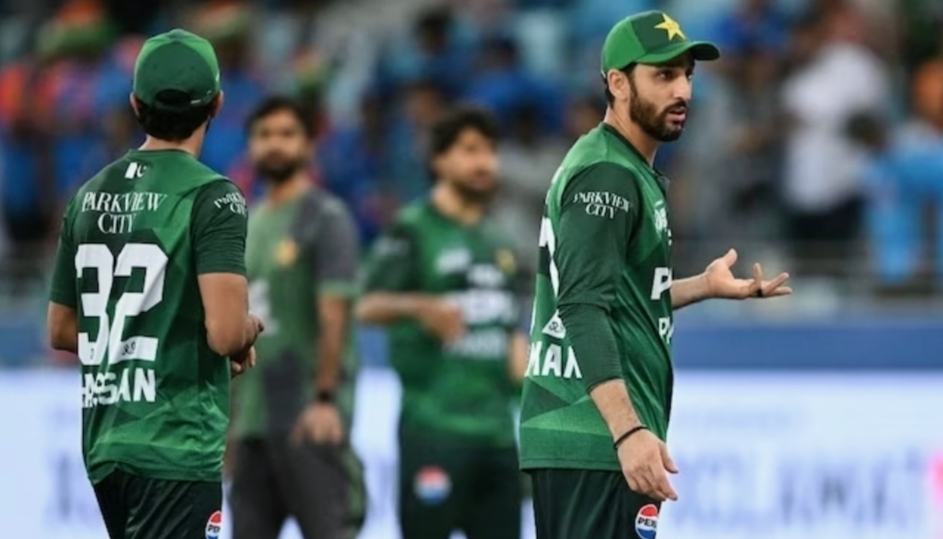
At the toss, Indian captain Suryakumar Yadav declined the traditional handshake with his Pakistani counterpart, Salman Ali Agha.
India and Pakistan has resulted in a controversial ending to their cricket match at the Asia Cup 2025 in Dubai.
India’s captain, Suryakumar Yadav, stated that his team chose not to shake hands with their rivals as a form of protest.
Indian team’s impressive seven wicket victory in the T20 match was a “perfect reply” to Pakistan, especially following the intense four day conflict that nearly escalated into war in May.
Why Indian Team Refused Shaking Hands With Pakistani Players
“Our [Indian] government and the BCCI [Board of Control for Cricket in India] were on the same page about playing this match. We came here just to play and gave them [Pakistan] a solid response”, Yadav shared with the media right after the game.
Yadav, who scored the winning runs for India, left the field with his batting partner, Shivam Dube, without stopping to shake hands with the Pakistani captain and team, which is the usual post match tradition.
The players from Pakistan walked off together and waited for the Indian team and support staff to come out and exchange handshakes, as is customary at the end of cricket matches.
But the Indian team just exchanged handshakes among themselves before heading into their locker room and closing the door, while the Pakistan players watched from the sidelines.
The Indian captain was questioned about his team’s behavior and if it contradicted the essence of sportsmanship.
“There are some things in life that go beyond the spirit of sports”, yadhav quickly replied.
“We support all the victims of the Pahalgam terror attack and their families, dedicating this victory to our courageous armed forces involved in Operation Sindoor”.
India stated that these missile launches were a reaction to the attack on tourists in Pahalgam, Indian-administered Kashmir, on April 22, which resulted in the deaths of 26 individuals.
An armed group known as The Resistance Front (TRF), advocating for Kashmir’s independence, took responsibility for the assault, although India accused Pakistan of being involved.
Just two days later, Pakistan retaliated to the missile attacks by targeting military sites along its border with India and Indian-administered Kashmir, hitting at least four different locations.
The conflict wrapped up four days later, thanks to a ceasefire brokered internationally.
Even though the aerial fire stopped, the diplomatic relations between the two neighbors stayed on hold.
The political tension overflowed into cricket when the Asian Cricket Council (ACC) announced the match between India and Pakistan.
- The Future Of Air Travel: Why The 100ml Liquid Limit May Soon Disappear

- Rising Temperatures, Rising Tempers? The Surprising Link Between Heat And Aggression

- India’s Lost Dragonfly Returns After 110 Years

- Snapchat Introduces Safer Story Sharing For Under-16 Users

- Google Launches Gemini 3.5 Live Translate

- The New Dating Trend Everyone’s Talking About: Puffer-Fishing

- Tea, Coffee, Juice: The Worst Empty Stomach Mistakes

- Instagram Introduces Profile Grid Customization

- Skywatchers Alert: Jupiter And Venus Set For A Rare Close Encounter Tonight

- Chrome Just Downloaded a 4GB AI Model? Here’s How to Delete It

- Why Does Real Love Feel Different Than We Expect?

- The 30-Minute Parenting Secret Every Child Needs

- Remote Robotics: Control Robotic Arms From Your Smartphone

- Mumbai’s Pod Taxis: Will BKC Benefit?

- Beyond The Missing Period: Understanding MRKH Syndrome

- Why Calling Every Stomach Problem ‘Gas’ Can Be Risky?

- Poke: Apple’s First AI Agent Debuts

- AC Drying Out Your Skin? Try This Simple Fix

- Want More Fireflies? Transform Your Garden Today

- Spotify Launches Podcast Clips For Instant Highlight Saving

- The Hidden Reason Summer Causes More Headaches

- Early Iron Deficiency Symptoms You Shouldn’t Ignore

- Meta Introduces Premium ‘Plus’ Tier For Instagram, Facebook And WhatsApp

- WhatsApp Launches Channel Status For 24-Hour Admin Updates

- 5 Powerful Signs You’re With The Right Person

- Social Media: The New Smoking For Children?

- Dewy, Glossy, Sweaty: The Viral Makeup Trend Everyone’s Trying

- Luna Launches Smart AI Band For Real-Time Daily Planning

- Meta Launches New ‘Forum’ App

- Why Is Your C-Section Scar Vertical?

- Red vs Orange Heat Alerts: Which One Puts Your Body At Greater Risk?

- Does AC Sleep Weaken Your Immunity? – Myth or Fact?

- The Rise Of Nonnamaxxing

- How To Clean Mushrooms Without Turning Them Soggy?

- How Hot Nights Quietly Harm Your Sleep And Heart?

- Indian Content Creators Can Win a Free Nepal Trip — Here’s How To Apply

- Gemini Omni Flash Brings Multimodal AI Video Creation To Google

- Essential Oil Diffusers: Healthy Trend or Hidden Hazard?

- Gmail Users Alert: Your Free 15 GB Storage Could Disappear

- YouTube Introduces Likeness Detection For 18+ Users

- AI vs Human Language: Is Learning Still Worth It?

- OpenAI Unveils ChatGPT Finance Tools With Direct Bank Integration

- The Ageing Risk Of Sleeping Too Much Or Too Little

- Fitness or Future Pain? The Truth About Joint-Damaging Workouts

- Salt Water Trend: What You Need To Know First?

- X Launches History Tab For Likes, Bookmarks And Videos

- Stay Chill: Smart Gadgets For Summer

- Instagram Launches Instant For Disappearing Photos

- ChatGPT App Now Supports Codex Coding Tool

- Best Smart Devices For Senior Citizens

- Why Did Humans Use To Eat Soil, And Why Do Some Still Do?


Leave a Reply