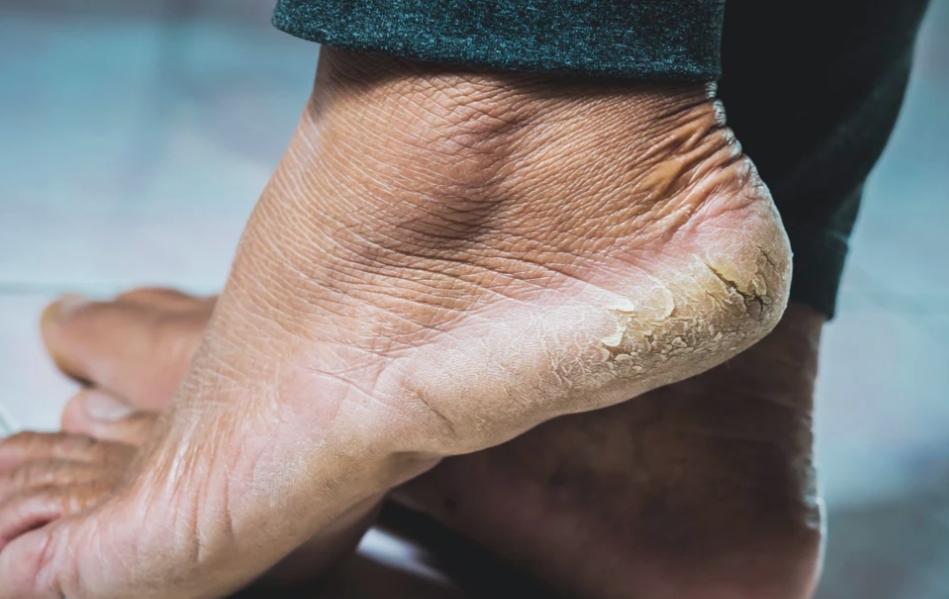
Many people have thick, tough skin on their feet, particularly around the toes and soles.
It usually doesn’t hurt, this hardened skin can be quite uncomfortable.
Some people feel embarrassed because it even gets in the way of their favorite shoes.
What causes this skin to thicken, and more importantly, how can you get rid of it?
The skin on our feet tends to thicken naturally because it has to support our body weight and deal with friction all the time.
When there’s more pressure, especially under the toes, the skin reacts by creating a protective layer.
Over time, things like repeated friction, going barefoot, or wearing the wrong shoes can make this area hard and noticeably thick.
The majority of calluses are merely a response to pressure and are not harmful.
On the other hand, extremely thick or painful skin may be a sign of more serious conditions like diabetes, irregular walking patterns, or foot deformities.
You should never ignore persistent or cracking skin.
If your feet stay hard despite taking care of them, it often means they are under constant stress.
This isn’t normal. It usually indicates that something about your shoes, posture, or activity level needs to be fixed.
Walking on hard surfaces, wearing thin-soled shoes, wearing tight shoes, and wearing high heels can all exacerbate friction and pressure.
More hardening may result from standing for extended periods of time or from wearing loose shoes that allow your feet to slide forward.
If your skin starts to hurt, crack deeply, or bleed even after trying home care, it’s a good idea to get expert help.
People with diabetes or circulation problems shouldn’t hesitate to get a professional check-up; it’s crucial to avoid complications.
Regular care and supportive shoes really make a big difference.
DISCLAIMER: This article is derived from information available in the public domain.It’s always a good idea to check your doctor before beginning any new routine.
- Google AI Mode Unveils Search Agents That Track The Web In Real Time

- Why Tamil Nadu’s Kirti Chakra Hero Became a National Inspiration?

- Tejas Shirse Sets New 110m Hurdles National Record

- The Beauty Of Change: Eighteen Lessons From Life

- 3 Days To A Morning Person: Fact or Fantasy?

- New Zealand Legend Kane Williamson Announces Retirement

- FIFA World Cup 2026: How Fans Can Watch Matches For Free

- YouTube Relaunches Private Chats With Age Verification

- The Future Of Air Travel: Why The 100ml Liquid Limit May Soon Disappear

- Rising Temperatures, Rising Tempers? The Surprising Link Between Heat And Aggression

- India’s Lost Dragonfly Returns After 110 Years

- Snapchat Introduces Safer Story Sharing For Under-16 Users

- Google Launches Gemini 3.5 Live Translate

- The New Dating Trend Everyone’s Talking About: Puffer-Fishing

- Tea, Coffee, Juice: The Worst Empty Stomach Mistakes

- Instagram Introduces Profile Grid Customization

- Skywatchers Alert: Jupiter And Venus Set For A Rare Close Encounter Tonight

- Chrome Just Downloaded a 4GB AI Model? Here’s How to Delete It

- Why Does Real Love Feel Different Than We Expect?

- The 30-Minute Parenting Secret Every Child Needs

- Remote Robotics: Control Robotic Arms From Your Smartphone

- Mumbai’s Pod Taxis: Will BKC Benefit?

- Beyond The Missing Period: Understanding MRKH Syndrome

- Why Calling Every Stomach Problem ‘Gas’ Can Be Risky?

- Poke: Apple’s First AI Agent Debuts

- AC Drying Out Your Skin? Try This Simple Fix

- Want More Fireflies? Transform Your Garden Today

- Spotify Launches Podcast Clips For Instant Highlight Saving

- The Hidden Reason Summer Causes More Headaches

- Early Iron Deficiency Symptoms You Shouldn’t Ignore

- Meta Introduces Premium ‘Plus’ Tier For Instagram, Facebook And WhatsApp

- WhatsApp Launches Channel Status For 24-Hour Admin Updates

- 5 Powerful Signs You’re With The Right Person

- Social Media: The New Smoking For Children?

- Dewy, Glossy, Sweaty: The Viral Makeup Trend Everyone’s Trying

- Luna Launches Smart AI Band For Real-Time Daily Planning

- Meta Launches New ‘Forum’ App

- Why Is Your C-Section Scar Vertical?

- Red vs Orange Heat Alerts: Which One Puts Your Body At Greater Risk?

- Does AC Sleep Weaken Your Immunity? – Myth or Fact?

- The Rise Of Nonnamaxxing

- How To Clean Mushrooms Without Turning Them Soggy?

- How Hot Nights Quietly Harm Your Sleep And Heart?

- Indian Content Creators Can Win a Free Nepal Trip — Here’s How To Apply

- Gemini Omni Flash Brings Multimodal AI Video Creation To Google

- Essential Oil Diffusers: Healthy Trend or Hidden Hazard?

- Gmail Users Alert: Your Free 15 GB Storage Could Disappear

- YouTube Introduces Likeness Detection For 18+ Users

- AI vs Human Language: Is Learning Still Worth It?

- OpenAI Unveils ChatGPT Finance Tools With Direct Bank Integration

- The Ageing Risk Of Sleeping Too Much Or Too Little


Leave a Reply