Have you ever spotted a tiny, painless bump on your eyelid and wondered what it might be?
Even though it may look harmless at first glance, these bumps could signal a deeper issue that requires attention.
A chalazion, which happens when the oil glands in your eyelid get blocked.
What Exactly Is A Chalazion?
A chalazion is a small, non-cancerous lump that appears on the eyelid due to a blocked oil gland, usually without any pain.
These oil glands, called meibomian glands, are responsible for producing oils that keep your eyes lubricated.
When they get clogged, oil builds up, causing inflammation and leading to a chalazion. While chalazia are generally not harmful, they can be bothersome or unattractive if not treated.
Maintaining good eyelid hygiene is crucial for preventing chalazia.
Avoidance Of
Enhance your vision with a diet full of nutrients.
Several factors can lead to the development of a chalazion, such as:
Inadequate Makeup Removal: Not properly taking off eye makeup can block the glands, resulting in obstructions.
Poor Eyelid Care: Accumulation of dirt, oil, and makeup remnants can disrupt gland function.
Skin Issues: Ongoing conditions like rosacea or blepharitis can make you more prone to these problems.
Frequent Eye Rubbing: Rubbing your eyes can introduce bacteria and irritate the glands, which can worsen blockages.
How To Avoid It
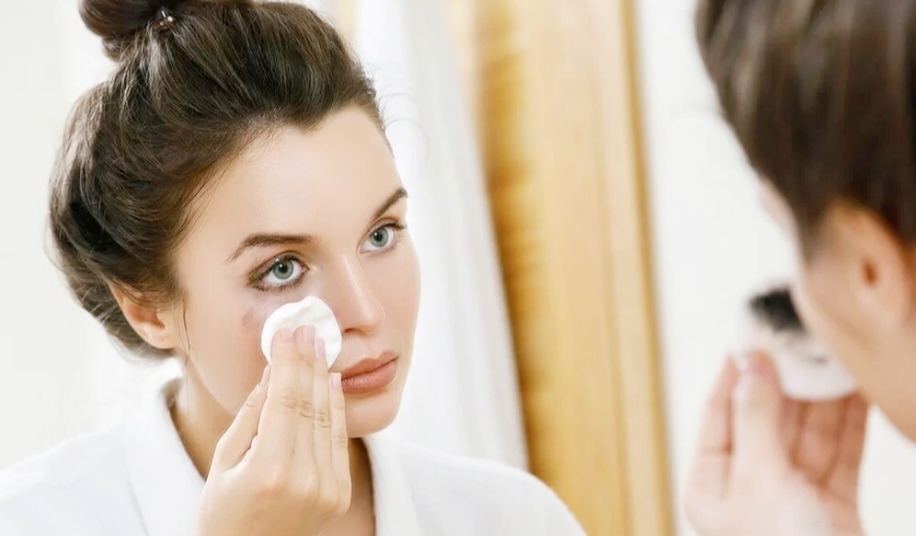
1)Complete Makeup Removal: Always remove eye makeup at the end of the day with a gentle remover. Avoid harsh rubbing that can irritate the glands; instead, use a soft cloth or cotton pad.
2)Mild Eyelid Cleanser: Regularly wash your eyelids with a gentle cleanser or diluted baby shampoo to get rid of dirt and oils that could block the glands.
3)Warm Compresses: Use a warm compress daily for a few minutes to help soften and clear blocked oil, which supports natural gland function.
4)Avoid Sleeping with Makeup: Keeping makeup on overnight significantly increases the risk of gland blockages and eye infections.
5)Good Hygiene Habits: Make sure to wash your hands and refrain from touching your eyes unnecessarily to minimize bacterial exposure.
If you notice lumps that keep returning or just won’t disappear, it’s wise to have them looked at by a doctor.
DISCLAIMER: This article is derived from information available in the public domain.It’s always a good idea to check your doctor before beginning any new routine.
- FIFA World Cup 2026: How Fans Can Watch Matches For Free

- YouTube Relaunches Private Chats With Age Verification

- The Future Of Air Travel: Why The 100ml Liquid Limit May Soon Disappear

- Rising Temperatures, Rising Tempers? The Surprising Link Between Heat And Aggression

- India’s Lost Dragonfly Returns After 110 Years

- Snapchat Introduces Safer Story Sharing For Under-16 Users

- Google Launches Gemini 3.5 Live Translate

- The New Dating Trend Everyone’s Talking About: Puffer-Fishing

- Tea, Coffee, Juice: The Worst Empty Stomach Mistakes

- Instagram Introduces Profile Grid Customization

- Skywatchers Alert: Jupiter And Venus Set For A Rare Close Encounter Tonight

- Chrome Just Downloaded a 4GB AI Model? Here’s How to Delete It

- Why Does Real Love Feel Different Than We Expect?

- The 30-Minute Parenting Secret Every Child Needs

- Remote Robotics: Control Robotic Arms From Your Smartphone

- Mumbai’s Pod Taxis: Will BKC Benefit?

- Beyond The Missing Period: Understanding MRKH Syndrome

- Why Calling Every Stomach Problem ‘Gas’ Can Be Risky?

- Poke: Apple’s First AI Agent Debuts

- AC Drying Out Your Skin? Try This Simple Fix

- Want More Fireflies? Transform Your Garden Today

- Spotify Launches Podcast Clips For Instant Highlight Saving

- The Hidden Reason Summer Causes More Headaches

- Early Iron Deficiency Symptoms You Shouldn’t Ignore

- Meta Introduces Premium ‘Plus’ Tier For Instagram, Facebook And WhatsApp

- WhatsApp Launches Channel Status For 24-Hour Admin Updates

- 5 Powerful Signs You’re With The Right Person

- Social Media: The New Smoking For Children?

- Dewy, Glossy, Sweaty: The Viral Makeup Trend Everyone’s Trying

- Luna Launches Smart AI Band For Real-Time Daily Planning

- Meta Launches New ‘Forum’ App

- Why Is Your C-Section Scar Vertical?

- Red vs Orange Heat Alerts: Which One Puts Your Body At Greater Risk?

- Does AC Sleep Weaken Your Immunity? – Myth or Fact?

- The Rise Of Nonnamaxxing

- How To Clean Mushrooms Without Turning Them Soggy?

- How Hot Nights Quietly Harm Your Sleep And Heart?

- Indian Content Creators Can Win a Free Nepal Trip — Here’s How To Apply

- Gemini Omni Flash Brings Multimodal AI Video Creation To Google

- Essential Oil Diffusers: Healthy Trend or Hidden Hazard?

- Gmail Users Alert: Your Free 15 GB Storage Could Disappear

- YouTube Introduces Likeness Detection For 18+ Users

- AI vs Human Language: Is Learning Still Worth It?

- OpenAI Unveils ChatGPT Finance Tools With Direct Bank Integration

- The Ageing Risk Of Sleeping Too Much Or Too Little

- Fitness or Future Pain? The Truth About Joint-Damaging Workouts

- Salt Water Trend: What You Need To Know First?

- X Launches History Tab For Likes, Bookmarks And Videos

- Stay Chill: Smart Gadgets For Summer

- Instagram Launches Instant For Disappearing Photos

- ChatGPT App Now Supports Codex Coding Tool


Leave a Reply