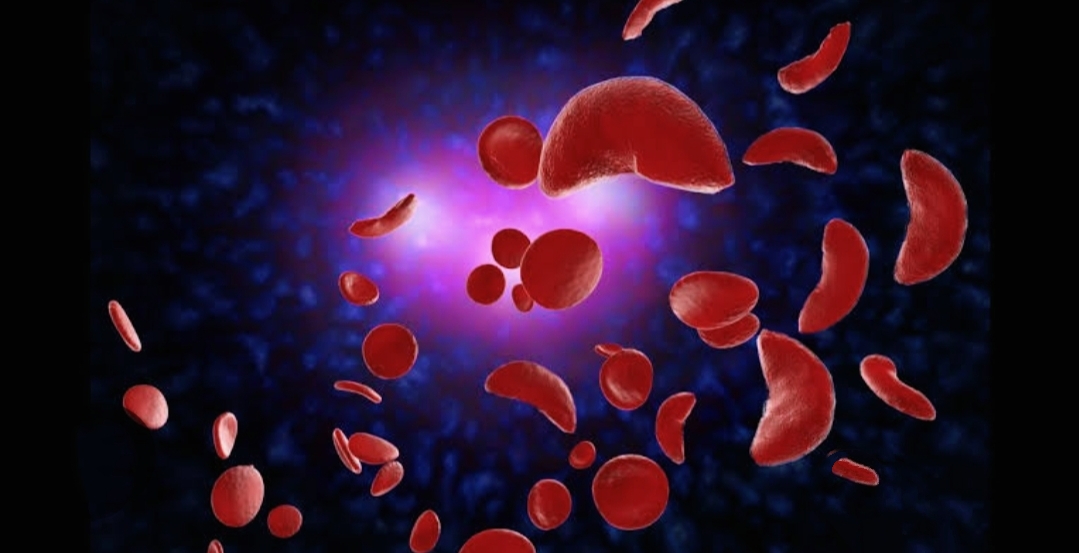
Early diagnosis after birth leading to prompt treatment can greatly enhance the quality of life and lower mortality rates in individuals with sickle cell disease to under five percent, down from the previously reported 20-30 percent, as per an ICMR study.
A total of 63,536 newborns were tested during a five-year span from 2019 to 2024 as part of the Newborn Screening for Sickle Cell Disease study carried out by the National Institute of Immunohaematology in Mumbai, under the India Council of Medical Research (ICMR), across seven centers located in regions of India with high prevalence. The findings of the study have not been published yet.
The newborn screening program is designed to quickly identify whether a baby has Sickle Cell Disease (SCD), which is a serious inherited blood disorder, right after they are born.
If this disease isn’t caught early, it can lead to serious issues such as severe infections, anemia (low blood levels), and even strokes in infants.
Detecting the disease early can be a life saver, enabling doctors to initiate treatment before complications arise.
Babies diagnosed early can receive preventive antibiotics (like penicillin) to prevent infections and benefit from regular checkups and care from specialists.
Detecting issues early on is key for getting crucial vaccines that shield against serious diseases. Plus, it allows parents to learn the warning signs so they can respond swiftly. It also aids families and doctors in planning for long-term care, offers genetic counseling, and raises awareness, which can help lower future cases.
This kind of screening is particularly vital in tribal and high-risk regions of India, where many cases remain undiagnosed, resulting in early childhood fatalities. Screening can prevent a lot of these deaths.
In the study, they found that 7,275 babies (11.4 percent) were carriers of the sickle cell gene. This means they don’t have the disease but can transmit it to their offspring, Dr. Kedar explained, noting that 569 babies (0.9 percent) were diagnosed with SCD.
These little ones were monitored to confirm their diagnosis, and their parents received counseling about Sickle Cell Disease (SCD), including preventive steps to take to avoid complications, as well as information on prenatal diagnosis to prevent any future births of affected children in the family.
The babies received thorough care, which included penicillin prophylaxis, folic acid supplements, necessary vaccinations, and hydroxyurea therapy when needed. This led to a drop in mortality rates among these children to below 5 percent, down from the previously reported 20-30 percent.
This research indicates that newborn screening is effective and can save lives, particularly in areas with a high incidence, such as tribal regions, Dr. Kedar noted. The study was coordinated by Harpreet Kaur, a senior scientist at ICMR in Delhi. “By identifying Sickle Cell Disease early, infants can receive prompt care, enjoy healthier lives, and families can be better equipped”, Dr. Kedar added.
The seven centers involved in the study include the National Institute for Implementation Research on Non-Communicable Diseases in Jodhpur, Society for Education, Welfare and Action-Rural (SEWA-Rural) in Gujarat, the Nilgiris Adivasi Welfare Association (NAWA) in Tamil Nadu, ICMR-National Institute for Research in Reproductive Health in Mumbai, ICMR-National Institute of Research in Tribal Health (NIRTH) in Jabalpur, ICMR-Regional Medical Research Centre in Bhubaneswar, and ICMR-Centre for Research Management and Control of Haemoglobinopathies (CRHCM) in Chandrapur.
Out of the 63,536 newborns tested, 57 percent were from tribal parents, while the remainder were from other backgrounds, Dr. Kedar reported.
The study also aimed to explore regional differences and the influence of genetic factors in sickle cell disease, as well as to identify challenges in implementing newborn screening.
DISCLAIMER: This article is derived from information available in the public domain. It’s always a good idea to check your doctor before beginning any new routine.
- FIFA World Cup 2026: How Fans Can Watch Matches For Free

- YouTube Relaunches Private Chats With Age Verification

- The Future Of Air Travel: Why The 100ml Liquid Limit May Soon Disappear

- Rising Temperatures, Rising Tempers? The Surprising Link Between Heat And Aggression

- India’s Lost Dragonfly Returns After 110 Years

- Snapchat Introduces Safer Story Sharing For Under-16 Users

- Google Launches Gemini 3.5 Live Translate

- The New Dating Trend Everyone’s Talking About: Puffer-Fishing

- Tea, Coffee, Juice: The Worst Empty Stomach Mistakes

- Instagram Introduces Profile Grid Customization

- Skywatchers Alert: Jupiter And Venus Set For A Rare Close Encounter Tonight

- Chrome Just Downloaded a 4GB AI Model? Here’s How to Delete It

- Why Does Real Love Feel Different Than We Expect?

- The 30-Minute Parenting Secret Every Child Needs

- Remote Robotics: Control Robotic Arms From Your Smartphone

- Mumbai’s Pod Taxis: Will BKC Benefit?

- Beyond The Missing Period: Understanding MRKH Syndrome

- Why Calling Every Stomach Problem ‘Gas’ Can Be Risky?

- Poke: Apple’s First AI Agent Debuts

- AC Drying Out Your Skin? Try This Simple Fix

- Want More Fireflies? Transform Your Garden Today

- Spotify Launches Podcast Clips For Instant Highlight Saving

- The Hidden Reason Summer Causes More Headaches

- Early Iron Deficiency Symptoms You Shouldn’t Ignore

- Meta Introduces Premium ‘Plus’ Tier For Instagram, Facebook And WhatsApp

- WhatsApp Launches Channel Status For 24-Hour Admin Updates

- 5 Powerful Signs You’re With The Right Person

- Social Media: The New Smoking For Children?

- Dewy, Glossy, Sweaty: The Viral Makeup Trend Everyone’s Trying

- Luna Launches Smart AI Band For Real-Time Daily Planning

- Meta Launches New ‘Forum’ App

- Why Is Your C-Section Scar Vertical?

- Red vs Orange Heat Alerts: Which One Puts Your Body At Greater Risk?

- Does AC Sleep Weaken Your Immunity? – Myth or Fact?

- The Rise Of Nonnamaxxing

- How To Clean Mushrooms Without Turning Them Soggy?

- How Hot Nights Quietly Harm Your Sleep And Heart?

- Indian Content Creators Can Win a Free Nepal Trip — Here’s How To Apply

- Gemini Omni Flash Brings Multimodal AI Video Creation To Google

- Essential Oil Diffusers: Healthy Trend or Hidden Hazard?

- Gmail Users Alert: Your Free 15 GB Storage Could Disappear

- YouTube Introduces Likeness Detection For 18+ Users

- AI vs Human Language: Is Learning Still Worth It?

- OpenAI Unveils ChatGPT Finance Tools With Direct Bank Integration

- The Ageing Risk Of Sleeping Too Much Or Too Little

- Fitness or Future Pain? The Truth About Joint-Damaging Workouts

- Salt Water Trend: What You Need To Know First?

- X Launches History Tab For Likes, Bookmarks And Videos

- Stay Chill: Smart Gadgets For Summer

- Instagram Launches Instant For Disappearing Photos

- ChatGPT App Now Supports Codex Coding Tool

- Best Smart Devices For Senior Citizens

- Why Did Humans Use To Eat Soil, And Why Do Some Still Do?

- How Your Body Responds To Sleep Deprivation

- Glow Naturally: Simple Habits For Healthier Skin

- Google Chrome Too Messy? Easy Tricks For Smoother Browsing

- Faustino Oro Becomes Chess’s Second-Youngest Grandmaster

- The World’s First Railway: Where It Began?

- Google Upgrades Cars With Gemini AI

- The Hidden Warning On Your Skin: Early Signs Of Diabetic Rash

- Amazon Launches Vertical Feed For Prime Video

- Say Goodbye To Mosquitoes Naturally With These 6 Plants

- Puffy Face? Simple Ways To De-Puff Your Face

- Google Launches Fitbit Air: A New Era In Sleep And Recovery Tracking Begins

- Planning A Trip To Rudranath Temple? Here’s The Complete Reopening Guide

- Japan’s Simple Secrets To Heart Health

- Ube Coffee: Trendy Treat or Overhyped Drink?

- Don’t Ignore These AC Warning Signs

- Thinking About Them Nonstop? The Rise Of Limerence

- The Rise Of The ‘Ick’ In Modern Dating

- Step By Step: The Simple Habit That Lowers Blood Pressure Fast

- Galaxy AI Glasses Official, Samsung Teases Earbuds Upgrade

- What Rice Water Really Does To Your Skin Overnight?

- Robots At The Gate: Tokyo’s Bold Airport Experiment

- 5AM Routine: Start Your Day With Gentle Habits

- From Idea To File: Gemini Generates Docs And Spreadsheets

- Your Dog Knows Best? Why They Avoid Certain People

- Free Comics Online: 4 Easy Ways To Start Reading Today

- YouTube Tests AI Search With Smart Answers And Video Results

- Why Some Animals Eyes Glow In The Dark?

- Why Late Nights Win And Early Mornings Fail?

- Navigate Like a Pro: 8 Hidden Google Maps Features

- Watermelon And Digestion: Friend Or Foe After Eating

- Left or Right? How Your Sleep Side Affects Your Heart

- The Best Time To Apply A Face Pack

- Early Signs Of Vitamin D Deficiency You Shouldn’t Ignore

- Badminton: India Roar Back In Uber Cup, Crush Ukraine

- The Retardmaxxing Trend: A New Internet Obsession

- 5AM vs 7AM: What Your Nervous System Really Prefers

- Struggling With Memory? Try This One Fix

- Images 2.0: Turning Ideas Into Comics With ChatGPT

- Daily Coconut Water For 30 Days: Glow Up or Letdown?

- Your Daily Bike Ride Is Aging Your Skin – Here’s How?

- The Rise Of Delulu Dating

- Surviving The Heatwave: What You Need To Know Now

- Slow or Fast: Why Poop Timing Matters For Your Health

- Smart At Birth, Brainless By Choice

- Smart Care: The Right Way To Handle Fever

- Split Sleep: Smarter Rest or Bad Habit?


Leave a Reply