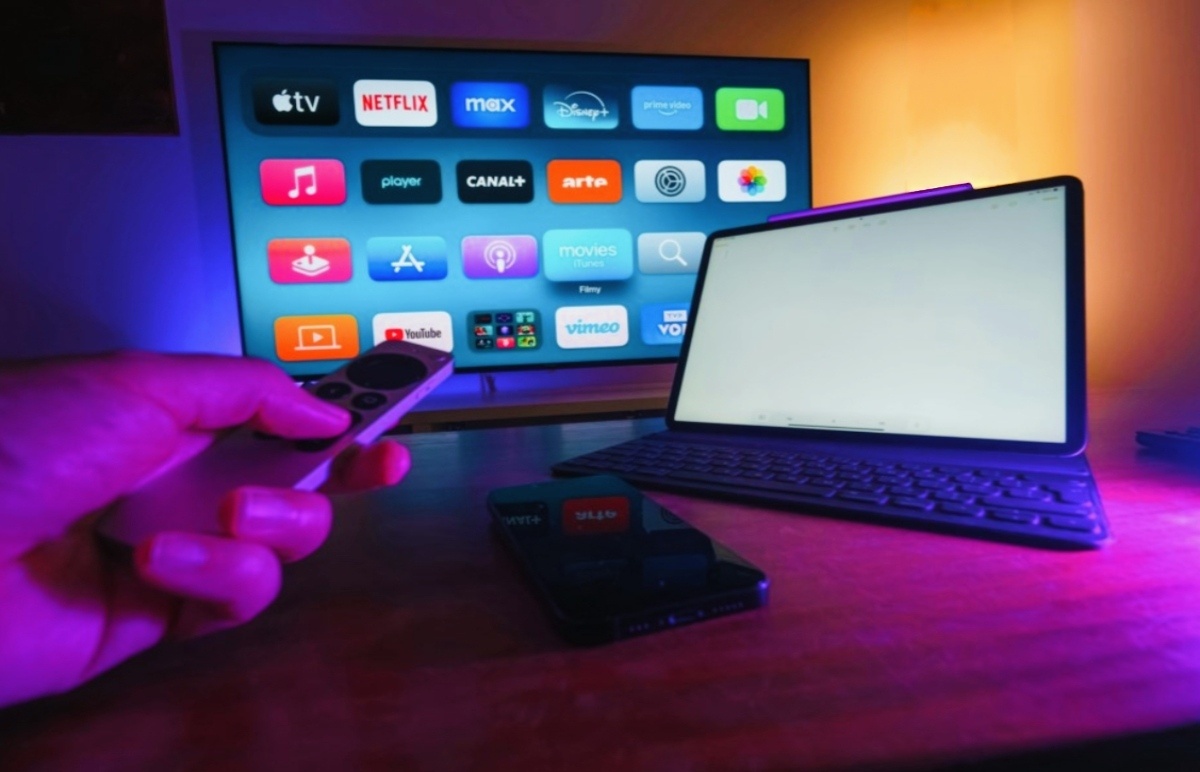
Binge-watching used to feel like total freedom. You could watch whatever you wanted, whenever you wanted, for as long as you wanted.
No waiting around, no schedules, no interruptions.
At some point, that freedom turned into exhaustion. Seasons started to blend together, storylines faded from memory as fast as they were binged, and finishing a show felt less like a fun experience and more like just ticking a box.
Now, with staggered releases and weekly episode drops making a comeback.
Streaming platforms seem to be bringing back something viewers had nearly forgotten anticipation.
Additionally, this revives dialogue, interest, and a more critical connection with the content we view.
Also Read | DC vs GG WPL 2026 Play Off Highlights
Binge-watching wasn’t just a choice – it was a system designed to keep viewers glued to their screens longer than they intended.
TV became something you consumed quickly, talked about briefly, and then moved on from to the next big thing.
Weekly releases shake up that routine. When you can only watch one episode at a time, it stops being an automatic process.
Viewers have to decide when to sit down, they pay more attention to what’s happening, and they take time to really engage with the story before moving on.
Episodes stick in your mind longer, spark more conversations, and carry more significance.
Viewers are now speculating, imagining different outcomes, and sharing theories online.
Conversations can last for weeks instead of just peaking over a weekend, creating a shared cultural vibe that binge-watching often fails to maintain.
Take Stranger Things as an example. Even with its binge-worthy reputation, it managed to keep its cultural impact alive by breaking seasons into parts.
This waiting period allowed theories to develop, characters to be re-evaluated, and emotional stakes to rise.
Watching became a group experience rather than a solo one.
Some stories just shine when they unfold at a slower pace.
Viewers took their time to ponder character decisions, admire costume details, and feel the unresolved tensions.
Audiences can dive into the content without the fear of spoilers.
Memes, reactions, and discussions specific to each episode can thrive.
A conversation might kick off on a Monday, evolve by midweek, and pop up again right before the next episode drops.
This rhythm not only gives stories a longer lifespan in terms of viewership but also in how deeply they resonate with viewers.
There’s definitely something to consider about how waiting alters our expectations. When answers aren’t available right away, viewers have to deal with uncertainty.
They start to notice patterns, question motives, and sometimes completely change their opinions about a character over the span of a week.
Discussions about the show shift from, “Have you finished it yet?” to, “What did you think of this episode?”.
Opinions become more important than how fast you can watch.
Being the first to finish doesn’t carry the same weight as being thoughtful.
This slower pace also creates room for differing opinions.
Watching weekly allows for various viewpoints to coexist, rather than being overshadowed by the finale.
Characters are defended, critiqued, forgiven, and reassessed in real time.
These discussions feel less hurried and more natural, evolving as the story unfolds.
For platforms, staggered releases make financial sense too. They prolong subscriptions and keep viewers engaged over time.
This shift seems more like a strategic move and subtle adjustment.
This change is happening within a bigger context.
People are increasingly worried about digital fatigue, burnout, and constant overstimulation, making them more aware of how much content they consume and how fast.
The pressure to keep up with every new show can be draining, especially with content coming at a relentless speed.
For those with limited free time, watching several episodes in one go can feel efficient and fulfilling.
The idea is that binge-watching is the way to enjoy long-form storytelling these days.
The immersive, unbroken experience that binge-watching provides is still what makes some stories so successful.
Nowadays viewers are becoming more conscious of how they want to engage with narratives and how much time and attention they’re willing to invest.
Waiting becomes a tiny act of defiance in an immediacy-driven digital world. It serves as a reminder to viewers that enjoyment doesn’t always require immediate consumption.Delaying it can actually deepen that enjoyment.
Weekly episodes create a sense of continuity, something to look forward to at a set time.
In a world that often feels chaotic and overwhelming, that consistency can be soothing.
It provides a break in the week, a familiar routine, and a shared experience that unfolds alongside countless others.
They change based on how tired we are, how much stimulation we can handle, and what our cultural needs are at the time.
Some stories pull you in completely, while others require a bit more patience.
While some are perfectly enjoyed over time, others are ideal for weekend binge-watching.
It’s obvious that our viewing habits and the reasons behind them are changing.
- Canine Distemper Virus Treatment In Dogs

- Corona Virus(COVID-19)

- INDIAN SONG AGAIN CREATES HISTORY IN OSCAR 2023 – BEST ORIGINAL SONG NATTU NATTU

- OSCAR 2023 : THE FIRST INDIAN FILM WINS BEST DOCUMENTARY SHORT FILM

- Ravindra Jadeja Says Anything for Mahi Bhai!!!CSK Fans sings Mannipayya!!CSK wins Fifth IPL Title!

- Ravindra Jadeja Says Anything for Mahi Bhai!!!CSK Fans sings Mannipayya!!CSK wins Fifth IPL Title!

- Chandrayaan 3 India Mission – Tik Tik Crucial 15 minutes!!!

- In the India-Pakistan War, Andhra Soldier Murali Nayak Lost His Life.

- About Monkeypox | Symptoms| Transmission | Treatment

- The PM of Buzdil is unable to articulate Modi’s name: In a scathing speech, A Pakistani MP attacks Shehbaz Sharif and reveals the army-backed coalition

- Lance Naik Dinesh Kumar arrive in Haryana village during Pakistan bombardment in Poonch; the martyr’s father declares, “Two more sons are still serving the nation.”


Leave a Reply